Bandages are a fundamental component of any first aid kit, serving as a crucial tool in the treatment of wounds and injuries. However, with numerous types of bandages available in the market, it can be overwhelming to determine which one is best suited for specific situations. In this article, we will explore the different types of bandages, including adhesive, elastic, and triangular bandages, and provide a comprehensive guide on the correct application techniques. By understanding the various bandage options and learning how to apply them correctly, you will be equipped with the knowledge and skills necessary to provide effective wound care and support the healing process. Whether you are a healthcare professional, a caregiver, or simply interested in learning more about first aid, this article will serve as a valuable resource to enhance your understanding of bandages and their proper usage.
Types of Bandages
Bandages are an essential part of any first aid kit and are used to protect wounds, provide support, and promote healing. There are various types of bandages available, each designed for specific purposes. Understanding the different types of bandages can help you choose the most appropriate one for your needs.
One common type of bandage is the adhesive bandage, also known as a band-aid. These bandages are made of a flexible adhesive strip with a non-stick pad in the center. Adhesive bandages are perfect for minor cuts, scrapes, and blisters. They provide a barrier against dirt and bacteria, while also allowing the wound to breathe and heal.
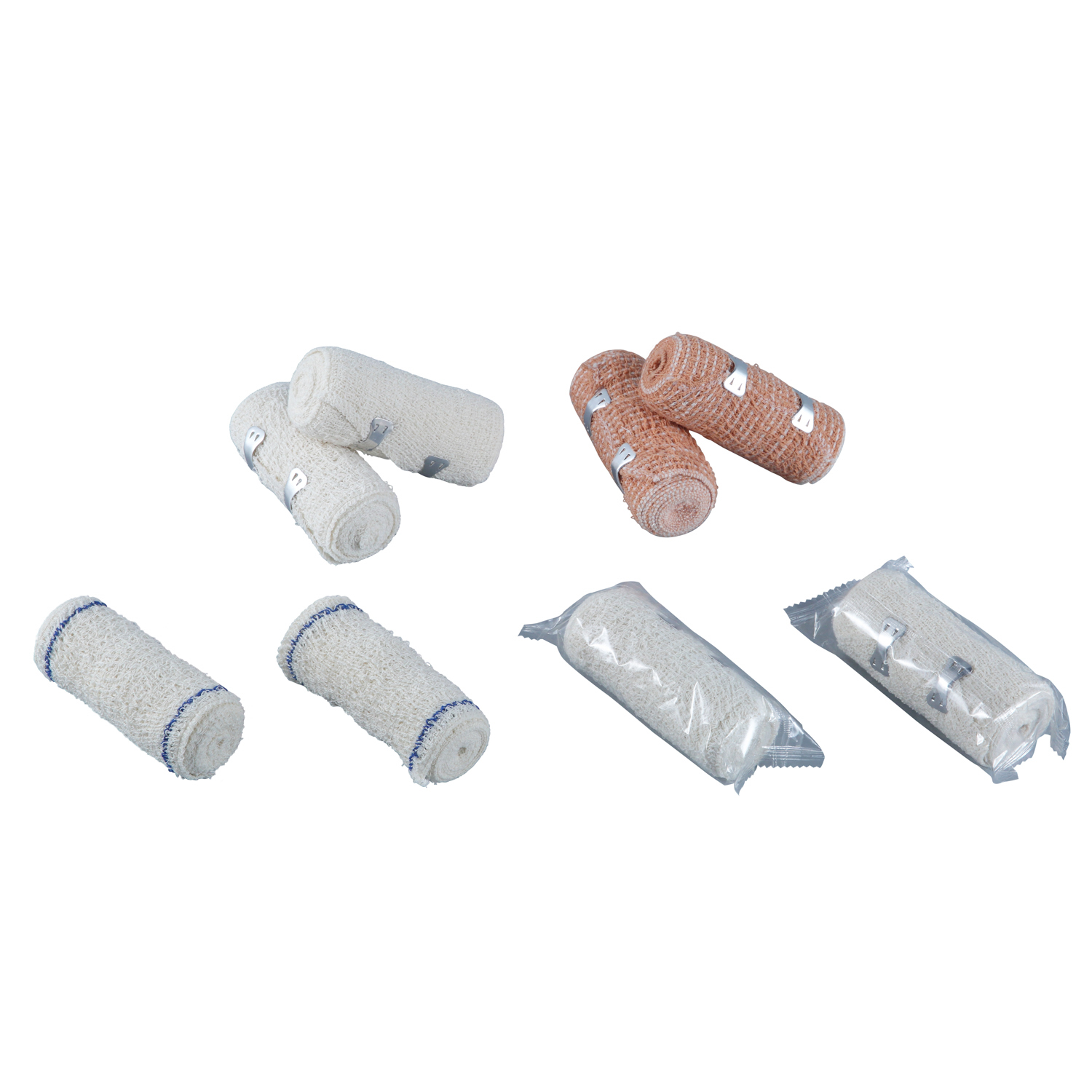
Another type of bandage is the gauze bandage. Gauze bandages are made of a loosely woven fabric that allows air to circulate freely. They are often used to cover larger wounds, burns, or surgical incisions. Gauze bandages can be secured with adhesive tape or with the help of a bandage clip. These bandages provide protection and promote healing by absorbing excess fluid and preventing infections.
Compression bandages are commonly used for injuries such as sprains, strains, or to support weak joints. These bandages are elastic and provide gentle pressure to reduce swelling and improve circulation. Compression bandages are often used in sports medicine and are effective in preventing further injury or promoting faster recovery.
For more severe wounds or injuries, a triangular bandage may be used. Triangular bandages are large pieces of fabric that can be folded into a variety of shapes to secure and support injured limbs. They are versatile and can be used as slings, tourniquets, or to create a makeshift splint. Triangular bandages are an essential part of any first aid kit and can be a lifesaver in emergency situations.
Correct Application of Bandages
Bandages are an essential tool in the field of medicine, used for a variety of purposes such as wound care, support, and compression. When it comes to the correct application of bandages, there are several key factors to consider in order to ensure optimal effectiveness.
First and foremost, it is important to properly clean and disinfect the wound before applying a bandage. This helps prevent infection and promotes faster healing. Gently cleanse the affected area with mild soap and water, or as directed by a healthcare professional. Once the wound is clean, pat it dry with a clean towel or gauze.
Next, select the appropriate type of bandage for the specific needs of the wound. There are various types of bandages available, including adhesive bandages, gauze rolls, and elastic compression bandages. Adhesive bandages are commonly used for small cuts and scrapes, while gauze rolls are ideal for larger wounds that require more coverage. Elastic compression bandages are often used to provide support and reduce swelling in sprains or strains.
When applying the bandage, ensure that it is snug but not too tight. A bandage that is too tight can restrict blood flow and cause discomfort. On the other hand, a bandage that is too loose may not provide adequate support or compression. It is important to strike a balance and adjust the tension accordingly.
In cases where the wound is located on a joint or a curved area of the body, it is important to apply the bandage in a way that allows for proper movement and flexibility. This can be achieved by using techniques such as figure-eight wrapping or overlapping the bandage at different angles.
Regularly check the bandage for signs of loosening or slipping. If the bandage becomes dirty or wet, it is important to replace it with a clean and dry one. Keeping the bandage clean and dry helps prevent the growth of bacteria and promotes a healthy healing environment.
Conclusion
Bandages are essential for first aid and wound care. There are different types of bandages for specific purposes, such as adhesive bandages for minor cuts, gauze bandages for larger wounds, compression bandages for joint support, and triangular bandages for emergencies. Having the right bandage is important for promoting healing and preventing further injury. It is recommended to have a variety of bandages in your first aid kit to be prepared for any situation. The correct application of bandages is crucial for effective wound care. It is important to clean the wound, select the appropriate type of bandage, apply it snugly but not too tight, and regularly monitor and replace the bandage as needed. By following these guidelines, bandages can play a vital role in promoting the healing process and preventing complications.

 English