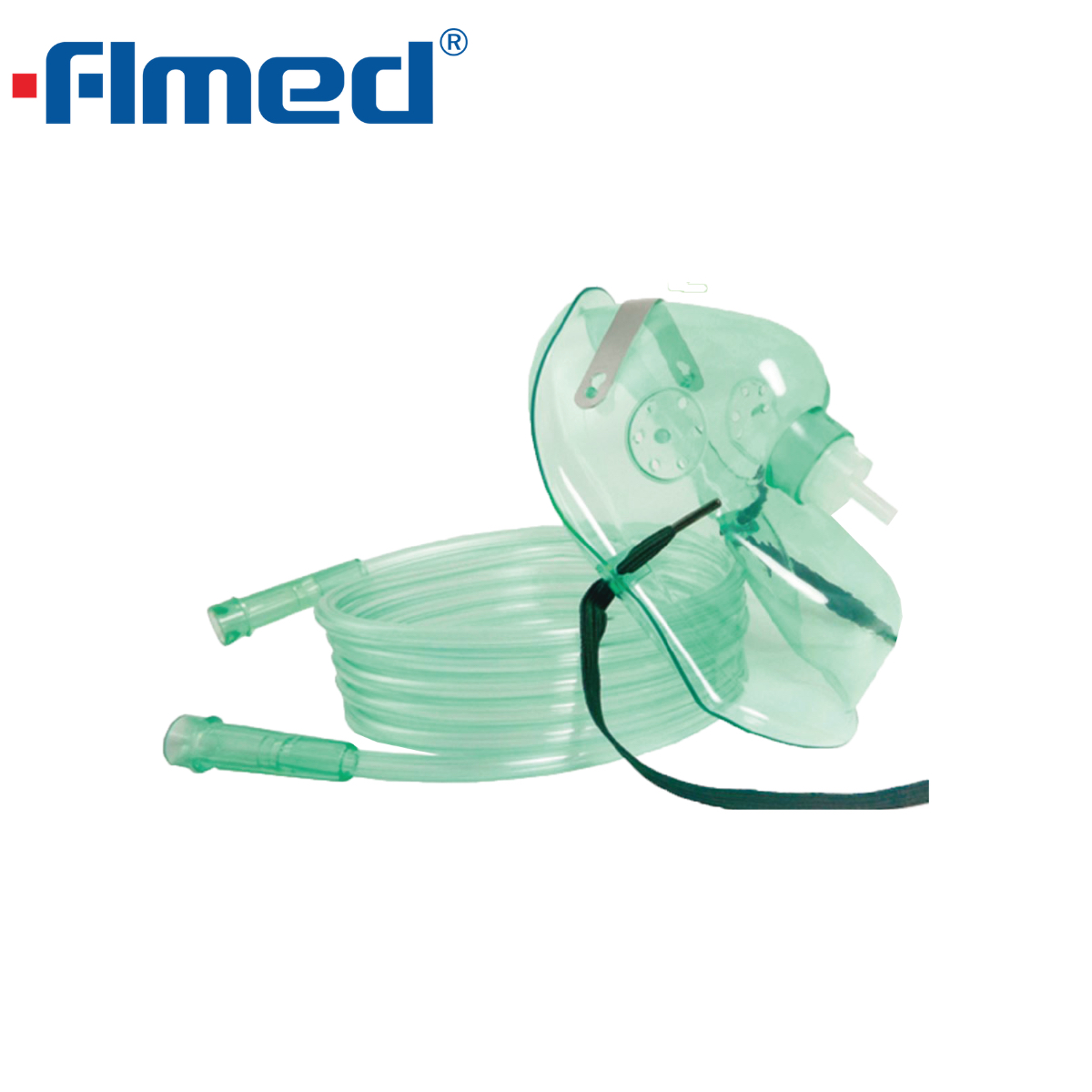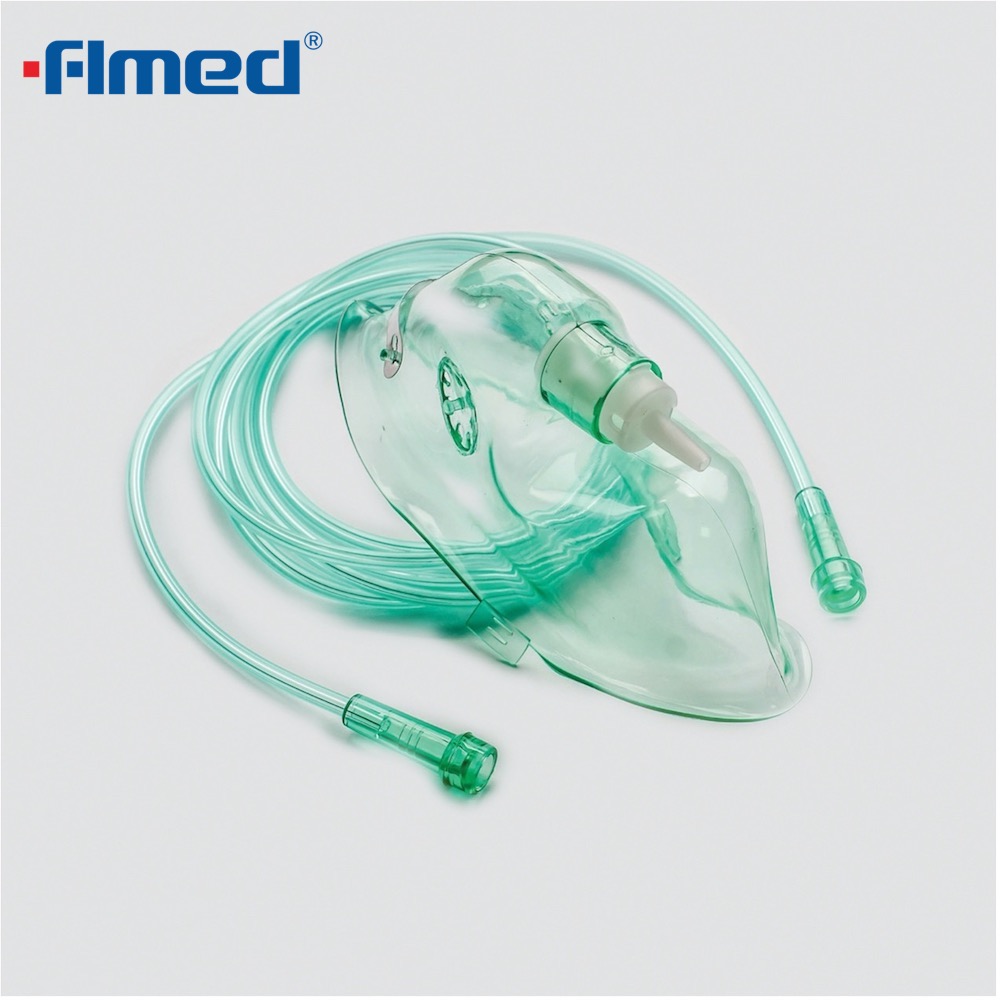
Patients and caregivers frequently want to wash and reuse oxygen therapy equipment. They hope to save money and reduce plastic waste. We understand this daily dilemma perfectly. While you can clean an Oxygen mask for short-term reuse by a single patient, manufacturers fundamentally design it as a disposable, single-use medical consumable. It is not built to last forever.
Our objective in this article is to provide an evidence-based framework for your respiratory care. We will detail exactly how long you can safely reuse a mask. You will learn the exact cleaning protocols required for daily home maintenance. We will also explore the severe physiological risks of over-extending its lifespan. Protecting vulnerable airways must always remain your top priority.
Key Takeaways
Short-term reuse is safe: An oxygen mask can be washed and reused daily by the same patient for a maximum of 30 days.
Cleaning does not equal sterilization: Home washing removes surface debris but cannot eliminate microscopic bacterial biofilms that cause respiratory infections.
Strict replacement triggers: Discard masks immediately after a respiratory illness, if the plastic becomes cloudy, or if the material hardens.
Industrial reuse vs. home reuse: Clinical reuse of medical plastics requires an intensive 8-stage industrial sterilization workflow (autoclaving, chemical analysis) impossible to replicate at home.
The Short Answer: Yes, But Strictly Within a 30-Day Lifecycle
You can wash and reuse your breathing equipment safely at home. However, you must adhere to a strict operational lifespan. An Oxygen mask is safe for home reuse for up to one month. This timeline assumes you perform daily maintenance correctly. The plastic simply degrades after thirty days of continuous airflow and moisture exposure.
We must strongly emphasize the single-patient limitation. "Reuse" strictly means reuse by the same individual. You cannot share used respiratory equipment between family members. Cross-patient reuse without industrial sterilization introduces a severe biohazard. Saliva and exhalations carry unique bacterial loads. Sharing equipment transfers these directly into another person's lungs.
It helps to contrast different oxygen therapy consumables. Patients often confuse the replacement schedules for different devices. Nasal cannulas sit directly inside the nasal cavity. They require much faster replacement than exterior facial masks. Below is a clear comparison chart to set proper expectations.
| Device Type | Placement Location | Maximum Lifespan | Cleaning Frequency |
| Nasal Cannula | Inside nasal passages | 14 Days | 1-2 times weekly |
| Oxygen mask | Over nose and mouth | 30 Days | Daily |
| Oxygen Tubing | Connecting machine to face piece | 3-6 Months | Do not wash inside |
![Standard disposable oxygen mask]()
Why Home Cleaning Fails Over Time (The Microscopic Reality)
Many patients believe soapy water kills all germs. This assumption is clinically dangerous. To understand why home cleaning eventually fails, we must introduce the World Health Organization (WHO) Hygiene Pyramid. Medical professionals strictly separate three distinct levels of decontamination.
Cleaning: Removing visible dirt and organic matter using water and friction.
Disinfection: Eliminating most harmful pathogens using chemicals.
Sterilization: Eradicating all microbial life entirely, including highly resistant bacterial spores.
Home environments can only achieve basic cleaning and mild disinfection. Warm water and dish soap remove facial oils. A vinegar soak neutralizes surface bacteria. However, these methods cannot sterilize medical-grade polyvinyl chloride (PVC). Hospital-grade sterilization requires extreme heat or toxic gas. You cannot safely replicate this in your kitchen.
Continuous washing actively degrades polymer structures over time. Water, chemical cleaners, and daily friction alter the surface tension of the plastic. This repeated scrubbing removes microscopic protective barriers. It creates tiny micro-abrasions across the inner surface. Microscopic bacteria hide inside these invisible scratches. Pathogens then form permanent, sticky layers called biofilms. These biofilms resist basic dish soap.
Eventually, the inhaled airflow carries biofilm bacteria directly into the patient's respiratory tract. This dynamic creates a massive infection risk. Stretching a cheap consumable replacement is never worth it. Pneumonia presents a life-threatening danger to an already oxygen-dependent patient.
The Evidence-Based Cleaning Protocol for Daily Reuse
You can manage bacterial growth safely if you follow precise steps. A structured maintenance routine extends the functional life of your equipment. Here is the clinical protocol for daily and weekly care.
Daily Cleaning Requirements
You must remove saliva, mucus, and skin oils every single day. These organic substances feed bacterial colonies rapidly.
Disconnect the facial piece from the main air tubing.
Fill a clean basin with warm tap water.
Add a few drops of mild, unscented, dye-free dish detergent.
Submerge the piece completely.
Agitate it gently underwater to dislodge any organic residue.
Rinse thoroughly under clean running water.
Weekly Disinfection Alternative
Basic soap cannot control bacterial overgrowth forever. You must apply a mild acid wash once a week. This process acts as a home-safe disinfectant.
Mix distilled white vinegar and clean water in a 1:3 ratio.
Submerge the entire facial piece in this solution.
Let it soak for exactly 30 minutes.
Remove and rinse it exhaustively with cold water.
Critical Drying Rules
Drying technique matters just as much as washing. Moisture left inside the equipment breeds mold overnight. You must let the plastic air-dry completely on a clean paper towel. Never use cloth towels to dry medical respiratory equipment. Microscopic lint fibers easily adhere to wet plastic surfaces. The patient will inhale these synthetic or cotton fibers directly into their lungs during their next therapy session.
What Not to Do: Cleaning Methods That Destroy Your Oxygen Mask
People often try aggressive cleaning tactics to feel safer. Unfortunately, intense chemicals destroy medical polymers instantly. You must avoid several common household products when handling respiratory supplies.
No Alcohol or Harsh Chemicals: Never wipe your equipment using rubbing alcohol (isopropyl) or bleach. Alcohol rapidly strips the flexible plasticizers from the PVC. This chemical reaction causes premature cracking and severe hardening. The rough edges will irritate your facial skin.
No Boiling Water: You might feel tempted to boil the plastic to kill germs. Do not do this. Medical-grade PVC used in home therapies will melt. It will warp permanently and lose its therapeutic seal. Once warped, it can no longer deliver correct air pressure.
Avoid Oil-Based Products: Never wash the plastic near petroleum-based lotions. Do not wear petroleum jelly or oil-based lip balms during therapy. Oxygen is a highly reactive accelerant. Combining concentrated oxygen with petroleum creates an extreme fire hazard.
When to Stop Reusing: Strict Replacement Triggers
Even the best cleaning routine cannot defeat time. You must monitor your equipment closely. Certain triggers mandate immediate disposal regardless of the 30-day timeline. Learn these warning signs to protect your respiratory health.
The Sickness Rule
You must mandate an immediate replacement of all facial pieces and tubing the moment you recover from an illness. If you suffer a cold, the flu, or a bacterial chest infection, your equipment becomes contaminated. The virus or bacteria will live inside the plastic crevices. Continuing to use it guarantees rapid reinfection.
Visual and Tactile Inspections
Assess your equipment every morning. Look for specific physical changes. Medical PVC communicates its degradation clearly.
| Warning Sign | Physical Meaning | Required Action |
| Cloudiness | The clear plastic turns milky or opaque due to polymer breakdown. | Replace immediately. |
| Hardening | The material feels stiff. The elastic strap loses all elasticity. | Replace immediately. It cannot seal properly. |
| Odors | A lingering musty or sour smell persists after washing. | Toss it immediately. Bacteria have colonized the plastic. |
The Environmental Dilemma: Can We Recycle Instead of Wash?
Many patients feel immense guilt about throwing away heavy PVC plastics every single month. The environmental footprint of medical consumables is undeniably large. You might wonder why hospitals recycle certain devices while you are told to throw yours away.
We must face the industrial reality. Hospitals can safely recycle or reuse some plastics because they utilize multi-stage decontamination workflows. Clinical reuse requires an intensive 8-stage process. This includes high-pressure autoclaving, gamma radiation exposure, and advanced chemical characterization. Hospitals test the structural integrity of the plastic at a molecular level before clearing it for reuse. Home users simply cannot replicate this science.
You still have a safe alternative to the landfill. Do not attempt unsafe airway reuse to save the planet. Instead, research local medical recycling programs. Many municipalities now downcycle non-infectious medical PVC. Industrial facilities melt these clean plastics down securely. They transform your used medical equipment into durable industrial materials, like automotive parts or garden hoses. This method safely addresses your plastic waste concerns without risking a lung infection.
Optimizing Your Oxygen Consumable Strategy (Next Steps)
You need to shift your approach to daily respiratory therapy. Move away from a "how to clean indefinitely" mindset. Adopt a "how to manage supply" mindset. Proper inventory management removes the temptation to stretch equipment past its safe lifespan.
First, automate your procurement process. Set up recurring monthly orders for all necessary consumables. Contact your Durable Medical Equipment (DME) provider or a trusted online medical supplier. Ensure fresh supplies arrive automatically at your door every four weeks. This automation eliminates memory lapses and delays.
Second, implement stockpiling for safety. We highly advise keeping a minimum of two backup pieces on hand at all times. Equipment failure happens unexpectedly. Dogs chew on tubing. Plastic straps snap during the night. A sudden cold requires an immediate equipment swap. Maintaining a small stockpile prevents forced, dangerous reuse during emergencies.
Always prioritize your airway hygiene. Fresh supplies guarantee optimal therapeutic pressure. They ensure maximum comfort against your skin. Most importantly, they prevent entirely avoidable hospital visits.
Conclusion
Proper lifecycle management is a vital component of safe, effective respiratory therapy. You can and should clean your Oxygen mask daily to maintain hygiene. However, it is fundamentally not built for permanent use. Stretching a disposable consumable past thirty days invites dangerous bacterial biofilms into your lungs. Protect your vulnerable airways above all else. Discard your equipment immediately if it turns cloudy, hardens, or smells. Automate your supply deliveries to guarantee you always have clean, safe equipment ready.
FAQ
Q: Can I boil my oxygen mask to sterilize it?
A: No. Boiling water will warp and destroy the medical-grade plastic entirely. The heat melts the PVC structure, ruining its shape and rendering it useless. It will no longer seal against your face to deliver therapeutic air pressure.
Q: Can I use alcohol wipes on my oxygen mask?
A: No. Alcohol rapidly degrades the PVC plasticizers. This chemical reaction causes micro-cracks where dangerous bacteria hide. Hardened plastic will also severely irritate your facial skin and cause contact sores.
Q: What is the difference between a nasal cannula and mask replacement schedule?
A: Cannulas sit directly inside the moist nasal passage, accumulating bacteria faster. They require replacement every 1 to 2 weeks. An exterior facial mask sits over the skin and features a longer 4-week lifespan.
Q: Should I wash the inside of the oxygen tubing as well?
A: No. It is virtually impossible to dry the inside of a long, narrow tube safely at home. Any moisture left inside will rapidly grow black mold. Only clean the facial pieces. Replace the long tubing entirely every few weeks.

 English