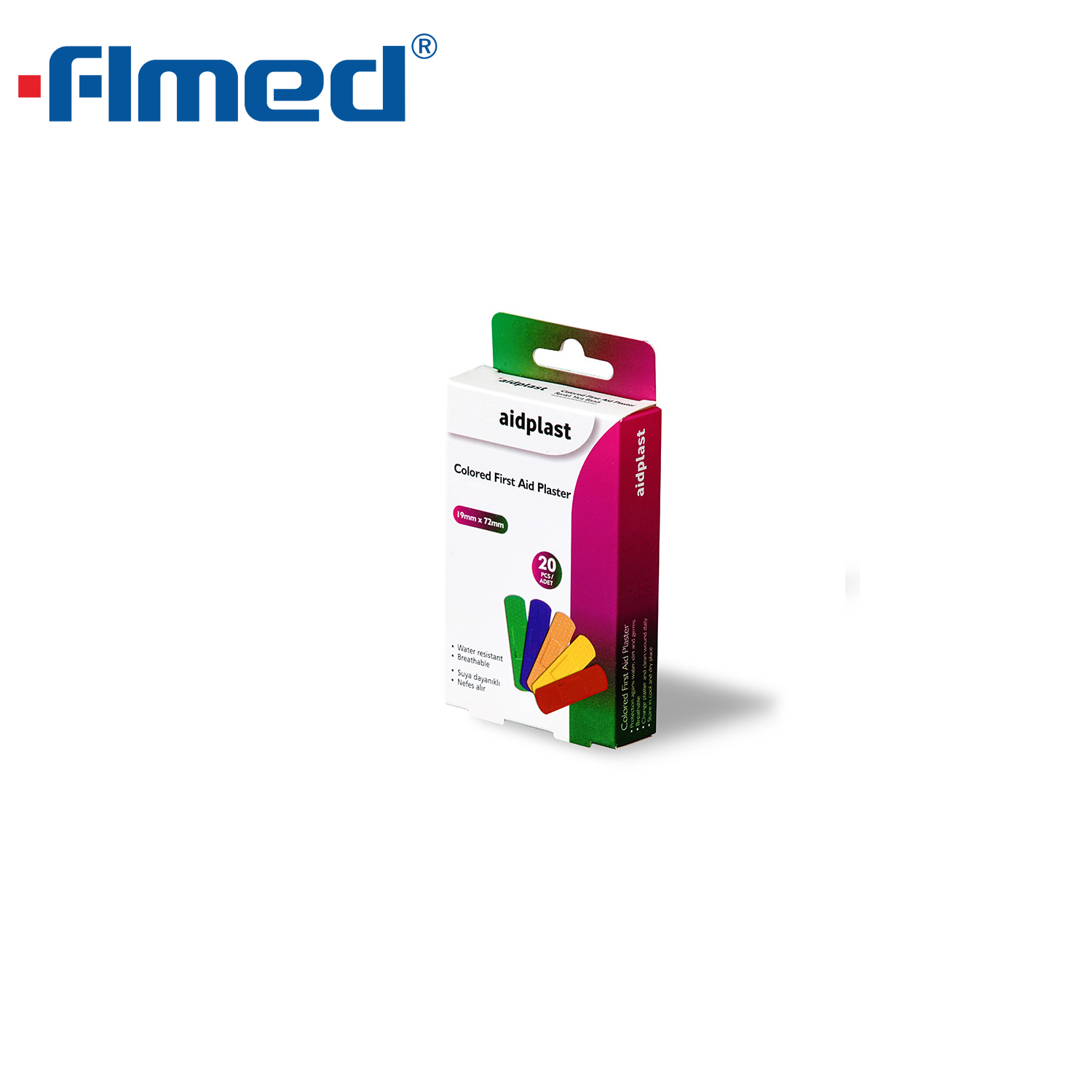
When it comes to protecting and healing minor cuts and scrapes, having the right supplies on hand is crucial. One of the most essential items to have in your first aid kit is a reliable first aid plaster. In this article, we will provide you with an introduction to first aid plasters, discussing their importance and the various types available. We will guide you through choosing the right first aid plaster for your needs and provide step-by-step instructions on how to properly apply them. Additionally, we will emphasize the importance of regularly replenishing your first aid plasters to ensure their effectiveness. We will also delve into specific first aid plasters designed for children, as well as those tailored for sports and outdoor activities. By the end of this article, you will have a comprehensive understanding of the significance of first aid plasters and be equipped with the knowledge to make informed choices for your first aid needs.
Introduction to First Aid Plaster
First aid is a crucial skill that everyone should possess, as accidents can happen at any time and in any place. One essential item that should be included in every first aid kit is the first aid plaster. These adhesive bandages are designed to cover and protect small wounds, cuts, and abrasions. They are an indispensable tool in providing immediate care and preventing further damage or infection.
The first aid plaster, also known as a band-aid or adhesive bandage, is a small piece of material that consists of a sticky adhesive backing and a non-stick pad in the middle. The adhesive side is applied directly to the skin, while the pad covers the wound, providing a barrier against dirt, bacteria, and other contaminants. This helps to promote the healing process and reduces the risk of infection.
One of the key advantages of using a first aid plaster is its convenience. These bandages are portable and can be easily carried in a purse, backpack, or pocket. They are readily available in most drugstores and supermarkets, making them easily accessible in case of an emergency. Additionally, first aid plasters come in various sizes and shapes to accommodate different types of wounds, ensuring a proper fit and optimal protection.
The importance of using a first aid plaster cannot be overstated. When a wound is left uncovered, it is more susceptible to infection and further injury. The first aid plaster acts as a protective shield, preventing dirt, bacteria, and other harmful substances from entering the wound. It also helps to control bleeding and provides a clean environment for the wound to heal.
When applying a first aid plaster, it is important to clean the wound thoroughly and ensure that it is dry before application. This helps to ensure proper adhesion and prevents moisture from being trapped, which can hinder the healing process. The adhesive side should be pressed firmly onto the skin, ensuring that the entire wound is covered. It is also important to replace the first aid plaster regularly to maintain cleanliness and prevent infection.
Common Types of First Aid Plasters
First aid plasters, also known as adhesive bandages or adhesive strips, are an essential item in any first aid kit. These versatile products are designed to cover and protect minor cuts, scrapes, and wounds. They come in various shapes, sizes, and materials to cater to different needs.
One common type of first aid plaster is the standard adhesive bandage. It typically consists of a small, rectangular pad in the center that is covered with an adhesive material. The adhesive allows the bandage to stick firmly to the skin, providing a barrier against bacteria and dirt. Standard adhesive bandages often come in different sizes to accommodate various wound sizes.
Another type of first aid plaster is the waterproof or water-resistant bandage. These bandages are designed to stay intact even when exposed to water, allowing individuals to shower or swim without worrying about the bandage coming off. They are particularly useful for wounds that are prone to getting wet or for individuals who lead an active lifestyle.
For individuals with sensitive skin or allergies, hypoallergenic adhesive bandages are available. These bandages are made with materials that are less likely to cause skin irritation or allergic reactions. They are gentle on the skin while still providing the necessary protection for minor wounds.
A popular type of first aid plaster is the fabric or cloth bandage. These bandages are made with a soft, breathable material that is comfortable to wear. They are often stretchable and conform to the body's contours, allowing for greater flexibility and ease of movement. Fabric bandages are commonly used for larger wounds or areas that require extra support.
In addition to the various types of first aid plasters mentioned above, there are also specialized bandages available for specific purposes. For example, blister plasters are designed to provide relief and protection for blisters. They often have a gel-like cushioning pad that helps alleviate pain and pressure. Another type is the transparent or clear bandage, which is ideal for wounds that need to be monitored without removing the bandage.
Choosing the Right First Aid Plaster
Choosing the right first aid plaster is crucial for effectively treating minor cuts, scrapes, and wounds. With a wide variety of options available in the market, it can be overwhelming to make the best choice. However, understanding the different types and features of first aid plasters can help you make an informed decision.
First and foremost, consider the size and shape of the first aid plaster. It is essential to choose a plaster that can adequately cover the wound and provide a secure and comfortable fit. Whether you need a small plaster for a minor cut or a larger one for a bigger wound, ensure that it can offer proper coverage and protection.
Next, examine the adhesive quality of the first aid plaster. A good adhesive ensures that the plaster stays in place, even during movement or exposure to water. Look for plasters with strong adhesive properties that can adhere well to the skin without causing discomfort or irritation.
Another important factor to consider is the breathability of the first aid plaster. Opt for plasters that allow air to circulate freely to the wound, as this promotes faster healing and reduces the risk of infections. Breathable plasters are often made from materials such as fabric or non-woven materials, which allow moisture to escape while keeping the wound protected.
Additionally, assess the absorbency of the first aid plaster. Plasters with high absorbency can effectively soak up any bleeding or exudate from the wound, keeping it clean and dry. This prevents the wound from becoming macerated and promotes a better healing environment.
Furthermore, consider any additional features that may be beneficial for your specific needs. Some first aid plasters come with antibacterial properties, which can help prevent infections. Others may be waterproof, making them suitable for use during water-related activities or in humid environments.
How to Apply a First Aid Plaster
When it comes to minor cuts and scrapes, knowing how to properly apply a first aid plaster is essential. By following a few simple steps, you can effectively protect and promote the healing process of the wound.
Firstly, it is important to ensure that your hands are clean before applying the first aid plaster. Wash your hands thoroughly with soap and water, or use hand sanitizer if soap is not available. This will help prevent any bacteria or germs from entering the wound.
Next, gently clean the wound with mild soap and water. Pat the area dry with a clean towel or tissue. It is crucial to remove any dirt or debris from the wound to reduce the risk of infection.
Once the wound is clean and dry, carefully select an appropriate first aid plaster. Choose a plaster that is large enough to fully cover the wound, while also allowing for some overlap onto the surrounding healthy skin. Avoid using plasters that are too small, as they may not provide adequate protection.
Before applying the plaster, ensure that the adhesive side is facing downwards. Position the plaster directly over the wound, making sure that it is centered and fully covers the injured area. Gently press down on the edges of the plaster to ensure proper adhesion.
If the wound is located on a joint or other areas prone to movement, you may need to secure the plaster with an additional adhesive strip or bandage. This will help prevent the plaster from coming loose or falling off.
It is important to regularly change the plaster to maintain cleanliness and promote healing. Depending on the severity of the wound, you may need to change the plaster daily or as directed by a healthcare professional. When removing the old plaster, do so gently to avoid causing further discomfort or damage to the wound.
Importance of Regularly Replenishing First Aid Plasters
First aid plasters play a crucial role in maintaining the health and safety of individuals in various situations. Whether it's a minor cut, scrape, or wound, having a readily available supply of first aid plasters is essential for everyone. Regularly replenishing these plasters is of utmost importance to ensure their effectiveness and the overall well-being of individuals.
One of the primary reasons for regularly replenishing first aid plasters is to maintain their sterility. When a plaster is used to cover a wound, it creates a barrier that protects the injury from bacteria, dirt, and other contaminants that can cause infections. However, after being used, the plaster may become contaminated itself. By replacing used plasters with new ones, we ensure that the wound is covered with a clean and sterile plaster, reducing the risk of infection.
Another reason to replenish first aid plasters regularly is to ensure their adhesive properties. Over time, the adhesive on plasters may weaken or wear off, making them less effective in staying in place and providing the necessary protection. By replacing old plasters with fresh ones, we can be confident that the adhesive will adhere properly to the skin, keeping the wound covered and protected.
Furthermore, regularly replenishing first aid plasters allows us to cater to different types of wounds. Plasters come in various shapes and sizes, designed to fit specific areas of the body. By having a diverse range of plasters available, we can ensure that we have the right size and shape to cover any type of wound, be it a small cut on the finger or a larger scrape on the knee. This versatility ensures that individuals receive the appropriate care for their specific injuries.
In addition to the practical reasons, regularly replenishing first aid plasters also demonstrates a proactive approach to safety. By having a well-stocked first aid kit with an ample supply of plasters, individuals and organizations show their commitment to being prepared for any unforeseen accidents or injuries. This preparedness not only instills confidence in those who may need immediate medical attention but also promotes a culture of safety and well-being.
First Aid Plasters for Children
When it comes to taking care of our little ones, safety is always a top priority. Children are prone to accidents and injuries, making it essential for parents and caregivers to have the necessary first aid supplies on hand. One such essential item is the first aid plaster, which serves as a protective barrier for minor cuts and wounds. These plasters are specifically designed for children, taking into consideration their delicate skin and unique needs.
First aid plasters for children are available in a variety of shapes, sizes, and designs. They are made from hypoallergenic materials that are gentle on the skin, reducing the risk of irritation or allergic reactions. The adhesive used in these plasters is also child-friendly, ensuring that it sticks securely without causing discomfort or pain during removal.
One of the key factors to consider when choosing first aid plasters for children is their ability to stay in place, even during active play. Children are constantly on the move, and a plaster that easily comes off can expose the wound to dirt and bacteria. These plasters are designed with strong adhesive properties, ensuring that they stay in place for extended periods.
Another important aspect of first aid plasters for children is their ability to provide a waterproof barrier. Kids love to splash around in water, whether it's during bath time or swimming. Waterproof plasters ensure that the wound remains protected even when it comes into contact with water. This feature allows children to continue their activities without worrying about the plaster getting wet and losing its effectiveness.
First aid plasters for children come in various fun and colorful designs, making the experience of wearing a plaster less intimidating for young ones. These plasters often feature popular cartoon characters or vibrant patterns, turning what could be a distressing experience into a playful one. This not only distracts children from the pain or discomfort of the wound but also encourages them to keep the plaster on until it is time for it to be changed.
First Aid Plasters for Sports and Outdoor Activities
When it comes to sports and outdoor activities, injuries are inevitable. Whether it's a minor cut, scrape, or blister, having the right first aid supplies on hand is crucial. One essential item that should be in every athlete's first aid kit is a first aid plaster. These small adhesive strips play a significant role in providing immediate care and protection for wounds.
First aid plasters are designed to cover and protect small cuts and abrasions. They are made with a flexible and breathable material that allows the skin to breathe while keeping dirt and bacteria out. This ensures a clean and hygienic environment for the wound to heal. Additionally, the adhesive used in these plasters is hypoallergenic, making them suitable for individuals with sensitive skin.
The main purpose of a first aid plaster is to prevent further injury and infection. By covering the wound, it acts as a barrier against dirt, germs, and other contaminants present in the environment. This is especially important during sports and outdoor activities where exposure to dirt and bacteria is high. The adhesive nature of the plaster ensures that it stays in place even during rigorous movement, providing a secure and protective layer over the wound.
Another advantage of using first aid plasters is that they promote faster healing. The plaster creates a moist environment, which is known to accelerate the healing process. It also prevents the formation of scabs, reducing the risk of scarring. This is particularly beneficial for athletes who want to get back to their activities as soon as possible.
First aid plasters come in various sizes and shapes to cater to different types of injuries. There are small strips for minor cuts and abrasions, larger ones for more significant wounds, and even blister plasters specifically designed to relieve pain and protect blisters. These plasters are also available in different materials, such as fabric or waterproof options, to suit individual preferences and needs.
Conclusion
First aid plasters are an essential part of any first aid kit as they provide quick and convenient solutions for covering and protecting minor wounds. The article emphasizes the importance of choosing the right first aid plaster by considering factors such as size, adhesive quality, breathability, absorbency, and any additional features. It also highlights the significance of knowing how to apply a first aid plaster properly to promote the healing process and reduce the risk of infection. Regularly replenishing first aid plasters is crucial to maintain their sterility, adhesive properties, and versatility. The article also mentions specialized plasters for children and athletes, highlighting their unique features and benefits. Overall, having a well-stocked supply of first aid plasters ensures preparedness for any minor injury that may occur.

 English