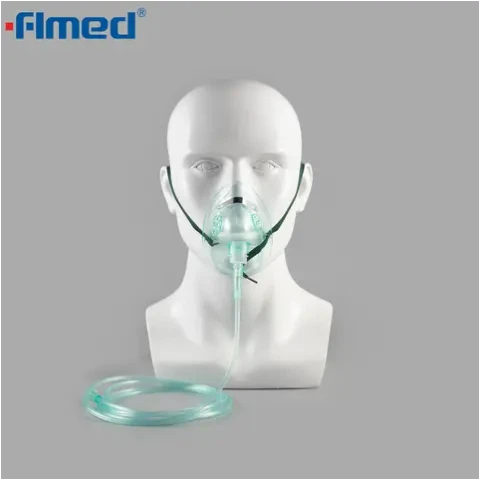
Handling an oxygen mask for the first time usually brings up one practical question rather than a technical one: how do you use it correctly without second-guessing every step? Forlong Medical, a professional supplier of disposable medical products, focuses on respiratory care items designed for routine medical use, and the right way to use a mask starts with a calm, simple process that supports comfort, stable connection, and dependable oxygen delivery.
Before You Place the Mask
Good oxygen mask use starts before the mask touches the face. A few quick checks at the beginning can prevent poor fit, loose connection, and unnecessary adjustment later. In daily care, preparation often makes the difference between a smooth setup and a frustrating one.
Check the Oxygen Source and the Mask Set
Start by making sure the oxygen source is ready and the mask set is in good condition. The tubing should be connected securely, the mask body should keep its shape, and the connector should sit firmly without feeling loose. If anything looks bent, twisted, or poorly attached, it is better to correct it before the mask is placed.
This is also the moment to look at basic product readiness. A clear mask body, clean surface, and intact tubing path all help support easier use. Forlong Medical designs its oxygen masks with a universal connector for standard oxygen tubing systems, which helps reduce setup difficulty in routine care environments.
Make Sure the Size and Style Fit the Task
Not every use situation is the same, so the mask should match the task. A simple oxygen mask is often suitable for moderate oxygen support in short-term or routine hospital care, but the size still needs attention. A mask that is too large may shift during use, while one that is too small can feel tight and awkward.
Adult and pediatric needs should be treated separately. Proper size helps the mask sit more naturally over the nose and mouth, which supports both comfort and stability. Before moving to the next step, it is worth confirming that the mask type and size fit the intended use.
Putting the Mask on Step by Step
Once the setup is ready, placing the mask should be simple and controlled. The goal is not speed alone. The goal is to position the mask correctly so it stays comfortable and secure during use.
Connect and Prepare
Attach the tubing properly and confirm that the full set is ready before the mask is lifted toward the face. The connector should feel stable, the tubing should not be kinked, and the mask should be held in its natural shape. This avoids awkward adjustment while the mask is already in place.
Preparation also means working in a clear sequence. If the tubing is pulled across the bed or caught under equipment, it can disturb the mask later. A neat setup at the beginning supports steadier use after placement.
Position the Mask Over the Nose and Mouth
Place the mask gently over the nose and mouth so it sits in a centered, natural position. It should cover the breathing area fully without being forced into place. A balanced position matters because even a good-quality product will feel less comfortable if it sits too high, too low, or slightly off-center.
This step should feel straightforward. If the mask immediately seems awkward, it is worth checking the size again or adjusting the position before securing the strap. A simple oxygen mask should be easy to place when the product is shaped well and the setup has been prepared properly.
Adjust the Nose Clip and Elastic Strap
After placement, adjust the nose clip and elastic strap so the mask stays secure without pressing too hard on the face. This is one of the most important parts of proper use. A loose fit can lead to shifting and extra room air mixing in, while a fit that is too tight can create pressure and discomfort.
The right fit is firm but comfortable. The elastic strap should help the mask stay in position during breathing and light movement, and the nose clip should improve contact without making the upper face feel pinched. Forlong Medical includes an adjustable nose clip and elastic straps because these details help support practical daily use, especially in routine oxygen mask for hospital care.
Step-by-Step Oxygen Mask Use Checklist
Step | What to do | What to avoid | Why it matters |
Check the set | Inspect mask shape, tubing, and connector | Starting with a loose or damaged setup | Prevents early problems |
Match the size | Use the correct mask size for the user | Assuming one size fits all | Improves fit and comfort |
Connect the tubing | Attach securely and keep the line clear | Twisted or unstable tubing | Supports stable oxygen flow |
Place the mask | Center it over the nose and mouth | Setting it too high or too low | Helps proper coverage |
Adjust the fit | Tighten strap and shape the nose clip gently | Pulling too tight or leaving it too loose | Balances seal and comfort |
Watch during use | Check position, comfort, and tubing | Ignoring movement or visible discomfort | Keeps the setup working well |

What to Watch Once the Mask Is On
Correct use does not end once the mask is in place. A mask can look fine at first and still become uncomfortable or unstable a few minutes later. That is why a few simple checks during use matter.
Check Seal and Comfort
The mask should feel secure, but secure does not mean overly tight. If the user looks uncomfortable, keeps touching the mask, or shows pressure marks too quickly, the fit may need adjustment. Comfort matters because an uncomfortable mask is more likely to be moved, loosened, or removed.
A well-fitted mask should stay in place without constant correction. This is one reason soft material and a workable shape are important. In daily care, the best oxygen therapy products support both function and wearability.
Watch the Tubing and Connection Points
Tubing problems are easy to miss because attention often stays on the mask itself. A line that becomes kinked, pulled, or partially loosened can affect the whole setup. During use, it is worth checking that the tubing remains clear and that the connector stays secure.
This is especially important when the patient changes position or is moved. A stable connection helps reduce interruption and keeps the mask working as intended.
How Use Changes in Hospital Settings
The basic steps stay similar, but the way a mask is used can still vary with the care environment. Hospital routines are not all the same, and some situations place more demand on fit and handling than others.
Short-Term Bedside Use
In general bedside care, the main goal is often straightforward oxygen support with easy observation. The simple oxygen mask works well here because it is quick to place, easy to monitor, and familiar to staff. Short-term use after a procedure or during routine support often depends on products that are practical rather than overly specialized.
A clear mask body is useful in these settings because caregivers can observe the patient more easily. Forlong Medical uses a soft and clear finish that supports visibility as well as comfort, which is valuable in routine ward and recovery environments.
Transport or Temporary Support
Transport inside the hospital places more pressure on mask stability. Moving between departments can disturb the tubing, shift the mask, or loosen the strap if the fit is not secure. In these moments, easy handling becomes even more important.
A mask that connects well and stays in place helps reduce repeated adjustment during movement. That is one reason proper setup matters so much before transport begins. The better the fit at the start, the easier it is to maintain during temporary support and patient movement.
Why Simple Oxygen Mask Design Affects Daily Use
Daily use is shaped by more than oxygen flow alone. Transparency helps with observation. A reliable connector supports quick setup. Soft material can improve comfort. Adjustable straps and a nose clip help the mask stay in place more naturally.
These may seem like small product details, but they affect the actual experience of using the mask. Forlong Medical focuses on these points because a simple oxygen mask should be easy to fit, easy to monitor, and easy to connect in real hospital settings.
When to Replace, Stop, or Reassess
Even when the steps are followed correctly, there are times when the setup should be checked again instead of simply left in place. Good use includes knowing when the current mask arrangement is no longer working as well as it should.
Signs the Setup Is No Longer Working Well
Air leaks, slipping, poor face fit, visible wear, repeated discomfort, and unstable connection are all signs that the setup needs attention. A disposable product that has lost shape or no longer sits comfortably should not be treated as if nothing has changed.
Reassessment does not need to be complicated. It often starts with a simple question: does the mask still fit well, feel comfortable, and remain connected the way it should? If the answer is no, the setup should be corrected or replaced so oxygen therapy can continue more smoothly.
Conclusion
Proper oxygen mask use is not complicated when the steps are clear and the product is designed for practical handling. A good routine begins with checking the set, matching the size, placing the mask correctly, and watching comfort and connection during use. Forlong Medical supplies respiratory care products built for everyday medical settings, with attention to fit, visibility, and connector stability that supports easier daily use. If you are looking for a disposable Oxygen Mask that is easy to fit, easy to monitor, and easy to connect, contact us to learn more.
FAQ
How do you put on an oxygen mask correctly?
Start by checking the mask set and tubing, then place the mask over the nose and mouth, adjust the nose clip, and secure the elastic strap so the fit feels stable but comfortable.
Why does a simple oxygen mask need fit adjustment?
A simple oxygen mask needs fit adjustment because a loose mask can shift and a tight mask can cause discomfort. Proper adjustment helps improve both stability and wearability.
What should I watch after the oxygen mask is on?
Check whether the mask stays centered, whether the user looks comfortable, and whether the tubing and connector remain secure throughout use.
When should an oxygen mask setup be reassessed?
It should be reassessed when there are air leaks, discomfort, slipping, poor fit, visible wear, or connection problems that reduce stable daily use.

 English