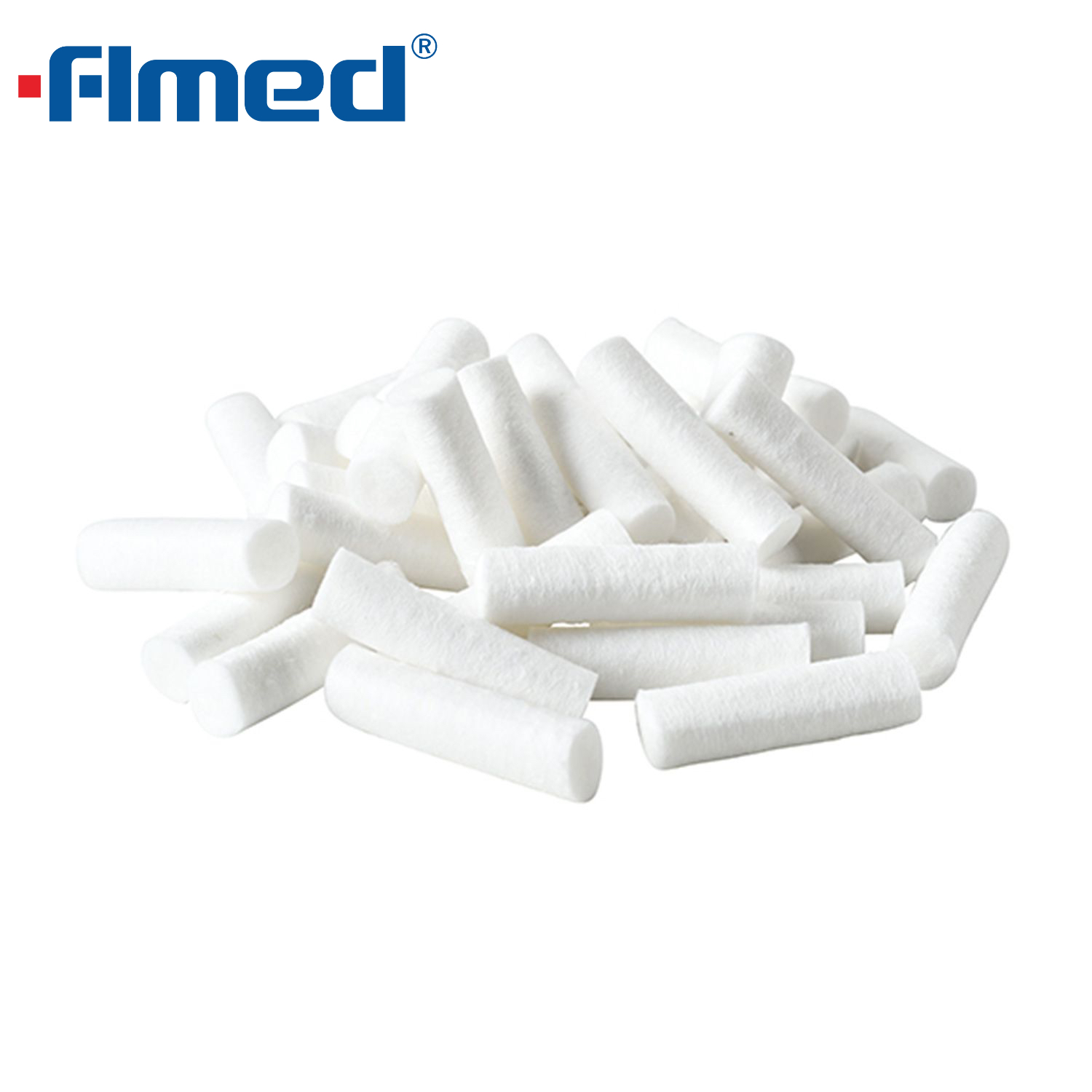
In medical manufacturing and healthcare procurement, the structural integrity and purity of raw materials directly dictate patient safety, clinical efficacy, and regulatory compliance. Procurement teams, wound care manufacturers, and medical device brands face significant risks when sourcing raw medical textiles. Substandard manufacturing processes lead to bioburden contamination, residual chemical toxicity, or failure to meet strict pharmacopeial standards. Selecting a reliable supplier requires a deep, technical understanding of how raw fibers are transformed into high-purity medical-grade material. This guide deconstructs the manufacturing lifecycle of Absorbent Cotton, providing a rigorous technical framework to assess supplier capabilities, quality control protocols, and sterilization compatibility.
- Medical-grade absorbent cotton relies on precise chemical scouring and bleaching to remove natural hydrophobic waxes, unlocking the fiber's natural capillary action for maximum fluid management.
- Supplier validation requires strict adherence to pharmacopeial standards (USP/EP/BP) regarding bioburden limits, particulate shedding, and residual chemical testing.
- The mechanical carding phase is critical for structural alignment, ensuring high-tensile strength for finished formats such as a sterile cotton roll, surgical wool, or filtration media.
- Procurement strategies must align the chosen sterilization method (Steam, Ethylene Oxide, or Gamma) with the packaging format and clinical application to prevent fiber degradation.
Defining Medical-Grade Absorbent Cotton: Success Criteria for Procurement
Pharmacopeial Standards and Compliance (USP/EP/BP)
Medical textiles must meet rigorous regulatory baselines established by the United States Pharmacopeia (USP), European Pharmacopoeia (EP), and British Pharmacopoeia (BP). These frameworks dictate the exact physical and chemical requirements for materials used in clinical settings. Compliance ensures the material remains safe for direct tissue contact and surgical applications. Manufacturers must strictly control parameters like moisture content, sulfated ash, and water-soluble substances. Acid-alkalinity levels require precise calibration to prevent tissue irritation during prolonged exposure.
Surgical-grade cotton wool demands stricter fiber length distribution and lower bioburden allowances compared to cosmetic alternatives. Cosmetic grades often tolerate higher particulate counts and minor chemical residues. Medical applications cannot accept these variations. The presence of impurities in surgical environments introduces severe risks of infection and foreign-body reactions. Procurement teams must verify that suppliers conduct routine laboratory testing to validate compliance with these pharmacopeial thresholds.
| Testing Parameter | Pharmacopeial Requirement (Typical) | Clinical Significance |
| Sink Time | < 10 seconds | Ensures rapid fluid absorption in wound care. |
| Water-Retaining Capacity | ≥ 23x dry weight | Maximizes exudate management and reduces dressing changes. |
| Sulfated Ash | ≤ 0.2% | Indicates the absence of inorganic impurities and mineral residue. |
| Fluorescent Substances | None detected | Prevents chemical sensitization from optical brighteners. |
| Water-Soluble Substances | ≤ 0.5% | Confirms thorough washing and removal of processing chemicals. |
Physical, Chemical, and Microstructural Properties
The science of absorbency relies on fundamental microstructural changes within the fiber. Raw cotton grows with a protective, hydrophobic cuticle composed of pectins and waxes. Manufacturing processes must completely strip this outer layer. Removing the hydrophobic barrier exposes the highly hydrophilic cellulose core. This structural modification opens the central lumen of the fiber. An open lumen maximizes capillary action, allowing the material to rapidly draw and trap fluids away from a wound site.
Standard evaluation metrics quantify this fluid management capability. Sink time measures how quickly a sample submerges in water. High-quality medical cotton achieves a sink time of under 10 seconds. Water-retaining capacity evaluates total absorption volume. The material must hold a minimum of 23 times its dry weight in fluid. These metrics directly impact clinical efficiency, reducing the frequency of dressing changes and improving exudate control.
Dermal compatibility requires an absolute absence of optical brighteners, dyes, and chemical residues. This strict purity is non-negotiable for wound contact materials. Chemical residues trigger allergic reactions and tissue sensitization in compromised patients. Fiber softness also plays a critical role in patient outcomes. Gentle, non-abrasive tissue contact prevents friction-induced trauma on open wounds. Inert, soft fibers protect delicate granulating tissue during the healing process.
The Step-by-Step Manufacturing Process of Absorbent Cotton
Raw Material Sourcing and Fiber Selection
Manufacturing begins with rigorous evaluation of raw inputs. Facilities compare long-staple virgin cotton against non-spinnable short-staple fibers, Egyptian cotton waste, and comber noils. Long-staple fibers provide superior tensile strength and structural integrity. Short-staple fibers and spinning waste offer significant cost efficiency. However, utilizing shorter fibers introduces distinct processing challenges. Facilities must balance these performance trade-offs based on the intended final application.
Fiber length directly correlates to finished product performance. Shorter fibers increase the risk of linting and particulate shedding during clinical use. To mitigate this, manufacturers processing short-staple waste must implement superior carding techniques. Advanced carding aligns the shorter fibers effectively, preventing loose debris while maintaining necessary tensile strength. Proper selection and processing of raw inputs dictate the baseline quality of the entire production run.
- Virgin Long-Staple Fibers: Used for premium surgical applications requiring maximum tensile strength and zero linting.
- Comber Noils: A byproduct of the yarn spinning industry, offering a balance of cost and performance, widely used for standard medical rolls.
- Short-Staple Waste: Requires aggressive mechanical cleaning and advanced carding to prevent shedding in the final product.
Mechanical Opening and Cleaning
Raw bales enter a high-velocity blowroom for initial processing. High-speed machinery opens the densely packed bales, separating the fibers. Mechanical beaters strike the material to dislodge physical contaminants. This aggressive cleaning stage removes seeds, leaves, field trash, and short dust linters. Efficient mechanical cleaning is vital for downstream purity. It reduces the chemical load required during subsequent scouring and bleaching phases.
Inadequate mechanical cleaning presents severe risks. Microscopic trash can easily escape downstream chemical treatments. If organic debris survives the boiling and bleaching stages, it becomes embedded in the final web. This leads directly to particulate contamination in surgical fields. Such contamination compromises sterile environments and endangers patient safety. Therefore, the blowroom process requires continuous monitoring and strict maintenance schedules.
Scouring (Alkaline Boiling under Pressure)
Scouring represents the most critical chemical transformation in the manufacturing lifecycle. Facilities load the mechanically cleaned fibers into massive pressurized vessels known as kiers. A hot sodium hydroxide solution circulates through the material under high pressure, typically reaching temperatures of 120°C at 2 to 3 bar. This alkaline boiling process saponifies natural fats, waxes, and proteins adhering to the cellulose structure. The intense heat and alkalinity break down the hydrophobic cuticle efficiently.
This phase triggers a profound physical-chemical shift. The fiber transitions from naturally water-repellent to highly absorbent. As the protective outer cuticle dissolves, the pure cellulose core becomes exposed. The success of this hydrophilic transition determines the final sink time and fluid retention capacity. Incomplete scouring leaves residual waxes, drastically reducing the material's ability to manage clinical exudate.
Bleaching and Neutralization
Following scouring, the material undergoes hydrogen peroxide bleaching. This step eliminates natural pigments and remaining organic impurities. Hydrogen peroxide provides excellent purity and whiteness without damaging the cellulose molecular chains. Maintaining the structural integrity of the polymer chains ensures the fiber retains its tensile strength. Precise temperature and concentration controls prevent chemical degradation during this oxidative process.
Post-bleach rinsing and acid neutralization form a critical quality checkpoint. The fibers must undergo extensive washing cycles to remove all traces of peroxide and alkali. Poor washing leaves residual chemicals trapped within the fiber matrix. These residues cause severe chemical irritation and pH imbalances in the final product. Thorough neutralization guarantees the material remains chemically inert and safe for prolonged dermal contact.
Drying, Carding, and Structural Alignment
Wet processing concludes with controlled drying. Industrial dryers remove excess water while protecting fiber elasticity. Manufacturers must maintain optimal moisture regain levels, typically between 6% and 8%. Over-drying causes fiber embrittlement and increases static electricity. Under-drying promotes microbial growth during storage. Precise moisture control ensures the fibers remain pliable for the final mechanical stages.
Carding transforms the bulk fibers into a uniform structural web. Cylinders covered in fine wire teeth comb and parallelize the individual fibers. This mechanical alignment creates a continuous, cohesive fleece. Consistent web weight distribution prevents thin spots and structural weaknesses in the finished material. High-quality carding is essential for products requiring high tensile strength and uniform fluid absorption.
![Absorbent Cotton Manufacturing Process]()
Formats, Packaging, and Sterilization Compatibility
Processing the Sterile Cotton Roll and Specialty Formats
The continuous carded web undergoes specific conversion processes to create various medical configurations. Machinery layers, rolls, and slices the fleece to meet exact dimensional requirements. This conversion produces formats like the high-tensile sterile cotton roll, zig-zag pleats, continuous slivers, and die-cut surgical pads. Each format requires precise tension control during rolling to maintain structural density without compromising capillary action.
Primary packaging configurations must maintain sterile integrity during transport, handling, and prolonged storage. Manufacturers utilize medical-grade kraft paper, peelable Tyvek pouches, and rigid blister packs. The chosen packaging barrier must withstand the specific sterilization method while preventing microbial ingress. Robust sealing protocols ensure the product remains uncontaminated until opened in the clinical environment.
Evaluating Sterilization Methods and Material Impact
Steam sterilization, or autoclaving, utilizes high-temperature steam to eradicate pathogens. This method is highly safe and leaves no toxic residues on cellulosic fibers. However, it introduces significant moisture into the packaging. Facilities must calibrate drying cycles perfectly to prevent moisture retention. Residual dampness compromises the sterile barrier and encourages post-sterilization microbial proliferation.
Ethylene Oxide (EO) gas serves as the standard for high-volume, pre-packaged medical textiles. EO effectively penetrates complex packaging without relying on high heat. The critical challenge involves the mandatory degassing or aeration phase. Facilities must hold the product in controlled aeration chambers to reduce toxic residual EO to non-hazardous levels. Strict adherence to aeration protocols ensures patient safety.
Gamma irradiation provides highly efficient cold sterilization for bulk packaging. High-energy gamma rays penetrate dense pallets, destroying microbial DNA. While effective, radiation dose limits require strict management. Excessive exposure causes polymer chain scission within the cellulose. This degradation leads to fiber embrittlement, reduced tensile strength, and slight yellowing of the material. Manufacturers must validate the optimal dosage to achieve sterility without compromising material properties.
| Sterilization Method | Mechanism | Primary Advantage | Material Risk Factor |
| Steam (Autoclave) | High-pressure saturated steam | No chemical residues left on fibers. | Moisture retention if drying cycles fail. |
| Ethylene Oxide (EO) | Alkylating gas penetration | Excellent for complex, pre-packaged formats. | Requires extensive aeration to remove toxic gas. |
| Gamma Irradiation | Ionizing radiation (Cobalt-60) | High throughput for bulk pallet processing. | High doses cause cellulose chain scission and yellowing. |
Evaluating Supplier Capabilities and Mitigating Implementation Risks
Quality Control, Bioburden, and Filtration Testing
Reliable suppliers execute exact laboratory assays for every production batch. Mandatory testing protocols include bioburden testing to verify microbial limits before sterilization. Technicians perform pH testing to confirm proper neutralization. Fluorescence testing ensures the complete absence of optical brighteners. Surface-active substance tests validate the removal of all chemical residues. These rigorous protocols guarantee consistent clinical safety.
High-purity medical textiles also serve specialized roles as filtration media in pharmaceutical manufacturing. Pure cellulose structures act as inert depth filters to remove particulate contaminants from liquid formulations. This application demands strict extractable and non-fiber shedding requirements. Suppliers catering to pharmaceutical labs must demonstrate advanced carding and washing capabilities to meet these extreme purity standards.
Common Manufacturing Defects and Sourcing Red Flags
Procurement teams must utilize a strict supplier audit checklist to identify poor manufacturing controls. Visible and testing-level defects provide clear indicators of substandard processing. High nep counts appear as tangled knots of fiber. These knots impair absorption uniformity and indicate poor carding. Shedding and linting during clinical use pose severe risks. Short fibers detaching from the material can cause foreign-body tissue reactions in open wounds.
Chemical and functional failures also serve as major sourcing red flags. Slow sink times directly indicate incomplete alkaline scouring. If the material fails to absorb fluid rapidly, residual natural waxes remain on the fiber. Chemical odors or pH deviations point to deficient washing and neutralization post-bleaching. Any of these defects render the material unsuitable for medical or surgical applications.
- Inspect Sink Times: Drop a 1-gram sample into water at 20°C. It must submerge completely in under 10 seconds.
- Check for Neps: Hold the web against a strong light source to identify tangled fiber clusters indicating poor carding.
- Test pH Levels: Extract water from a soaked sample and test the pH to ensure it falls between 5.5 and 7.5, confirming proper neutralization.
- Evaluate Shedding: Rub the dry material against a dark contrasting fabric to visually assess the volume of loose, uncarded short fibers.
Supply Chain Traceability and Auditing
End-to-end traceability forms the backbone of medical supply chain security. Manufacturers must establish batch-level traceability linking raw cotton bale numbers to the finished sterile package lot. This documentation allows rapid isolation of defective materials during a recall. Transparent traceability systems demonstrate a supplier's commitment to quality assurance and regulatory compliance.
Verifying a manufacturer’s production capacity ensures long-term operational stability. Procurement teams must assess facility scale, machinery throughput, and raw material inventory levels. Adequate capacity guarantees stable pricing and uninterrupted supply chains during market fluctuations. Thorough audits of both quality systems and production capabilities mitigate long-term implementation risks.
Conclusion
The clinical safety and performance of medical textiles depend entirely on the precision of chemical purification and structural processing. Shortcuts in scouring, bleaching, or carding introduce unacceptable bioburden, chemical, and physical risks to clinical settings. Procurement departments must prioritize suppliers that provide comprehensive Certificates of Analysis for every batch, prove continuous compliance with USP/EP/BP standards, and demand validated sterilization compatibility documentation.
- Request detailed technical datasheets outlining fiber length, sink times, and chemical residue limits from prospective suppliers.
- Order sample rolls for independent laboratory testing, focusing specifically on fluid retention capacity and fiber shedding under mechanical stress.
- Schedule comprehensive on-site or virtual audits of the supplier's washing, neutralization, and cleanroom packaging phases.
- Verify exact sterilization validation reports to ensure packaging barriers and fiber integrity remain uncompromised post-processing.
FAQ
Q: What makes medical absorbent cotton different from regular cosmetic cotton?
A: Medical grades require the complete removal of natural hydrophobic waxes and the strict absence of optical brighteners or dyes. They must meet low bioburden limits and comply with pharmacopeial standards (USP/EP/BP) to ensure chemical inertness, rapid fluid absorption, and absolute patient safety during tissue contact.
Q: How is a medical-grade sterile cotton roll manufactured?
A: The process traces from raw bale opening and mechanical trash removal to pressurized alkaline scouring and peroxide bleaching. It involves thorough washing, neutralization, controlled drying, and carding into uniform webs. The web is mechanically rolled, packaged in medical-grade barriers, and sterilized using EO gas or Gamma irradiation.
Q: What are the specific USP standards for medical absorbent cotton?
A: USP standards mandate a sink time under 10 seconds and a high water-retaining capacity. They set strict maximums for sulfated ash (0.2%) and water-soluble substances. The standards also enforce rigid limitations on acid-alkalinity levels and strictly prohibit the presence of any fluorescing substances.
Q: Why is alkaline scouring the most critical chemical step in production?
A: Raw fibers are naturally hydrophobic due to a protective outer cuticle of waxes and pectins. Alkaline scouring under pressure saponifies these compounds. This process completely dissolves the barrier, converting the fiber into a highly hydrophilic material capable of rapid capillary action.
Q: Can absorbent cotton be sterilized using gamma irradiation without losing its properties?
A: Yes, but dosage levels must be tightly controlled, typically around 25 kGy. Excessive radiation causes polymer chain scission and cellulose degradation. This leads to fiber embrittlement, significantly reduced tensile strength, and unwanted yellowing of the finished material.
Q: What is the role of absorbent cotton as a filtration medium in pharmaceutical labs?
A: Highly processed, lint-free pure cellulose structures act as inert depth filters. They effectively remove particulate contaminants and microscopic impurities from liquid formulations. This requires extremely strict extractable limits and zero fiber shedding to maintain the purity of the pharmaceutical liquids.

 English