Does knowing your device timeline cause a constant undercurrent of stress? Living with an indwelling tube often feels like navigating a clinical minefield at home. Leaving this essential medical tool in for too long invites severe infections. Changing it too frequently causes unnecessary physical trauma to delicate tissues.
In this comprehensive guide, we break down exact replacement timelines based on modern clinical standards. You will discover how manufacturing materials dictate longevity. We will also cover subtle red flags of early failure and actionable daily care routines that keep the urinary system safe.
Key Takeaways
Material dictates lifespan: Standard latex devices typically last two to four weeks, while high-quality 100% silicone options can safely remain in place for up to twelve weeks.
Design matters: A 2-way configuration is the medical standard for general daily drainage, whereas 3-way designs are reserved for continuous bladder irrigation.
Watch for red flags: Symptoms like cloudy urine, foul odors, or a sudden lack of drainage mean the device requires immediate medical evaluation, regardless of its scheduled change date.
Hygiene is non-negotiable: Strict daily cleaning prevents mineral encrustation and extends the safe, functional use of your drainage system.
The General Timeline for Indwelling Devices
When managing urinary health, understanding the exact timeline for device replacement prevents severe complications. The duration a tube can safely remain inside the bladder is not a universal standard. It requires a tailored approach based on clinical guidelines and individual patient biology.
The 2 to 12-Week Rule
In standard clinical practice, an indwelling tube is changed anywhere from every two to twelve weeks. This wide timeframe depends on three primary factors. These include the specific guidelines of the manufacturer, the unique urine composition of the patient, and the core material of the product itself.
Urine pH levels and daily hydration habits heavily influence mineral crystallization. A history of chronic infections can cause minerals to build up on the tube faster for some patients than others. Consequently, a urologist establishes a personalized rolling schedule. Never exceed the maximum duration recommended by the manufacturer, even if the equipment appears to be functioning perfectly.
Short-Term vs. Long-Term Catheterization
Medical professionals categorize usage into two distinct phases. Short-term use generally refers to a duration of less than fourteen days. This is common following prostate surgeries or during acute illnesses. It is also used for precise fluid output monitoring in an intensive care unit. Once the acute phase resolves, the device is removed entirely.
Long-term use applies to patients requiring urinary assistance for more than two weeks. Conditions like chronic urinary retention, spinal cord injuries, or severe neurological disorders necessitate this approach. In these scenarios, the tube is not removed permanently. Instead, it is swapped out for a new sterile one on a strict rotation.
Catheter Materials and Their Impact on Replacement Schedules
The manufacturing material is the single most critical factor determining how long the tube can safely reside in the human body. Different compounds interact with the bladder lining and urine chemistry in vastly different ways.
Latex and Teflon-Coated Options
Standard latex has been utilized in urology for decades. These tubes are highly flexible and highly cost-effective for short-term hospital stays. To reduce insertion friction, many latex models are coated with Teflon or a hydrogel layer.
Despite these protective coatings, latex remains naturally porous at a microscopic level. Over time, it is highly susceptible to encrustation. This is a process where minerals in the urine crystallize on the surface of the tube and the retention balloon. Furthermore, latex can trigger allergic reactions in sensitive individuals. Due to rapid mineral buildup and bacterial adherence, these variants must generally be replaced every two to four weeks.
Advanced 100% Silicone Solutions
For long-term bladder management, silicone is the clinical gold standard. A premium silicone catheter is completely latex-free. This makes it entirely hypoallergenic and safe for patients with sensitivities.
Silicone is highly biocompatible. It features a much smoother, non-porous surface compared to its latex counterparts. This ultra-smooth finish significantly resists the formation of bacterial biofilms. It also drastically slows down mineral encrustation. Because silicone is a structurally stronger material, the walls of the tube can be manufactured thinner. This engineering tweak results in a wider inner lumen, which is the hollow channel inside the tube. A wider lumen allows for superior fluid flow and reduces the risk of dangerous blockages. Thanks to these advanced properties, 100% silicone models can safely stay in the bladder for up to twelve weeks.
![Silicone Foley Catheter]()
Understanding Foley Catheter Designs and Functions
Beyond material science, understanding the structural design of your medical equipment helps in managing expectations and daily care. These devices are engineered with specific channel configurations, known as ways, to serve entirely different clinical purposes.
The 2-Way vs. 3-Way Configuration
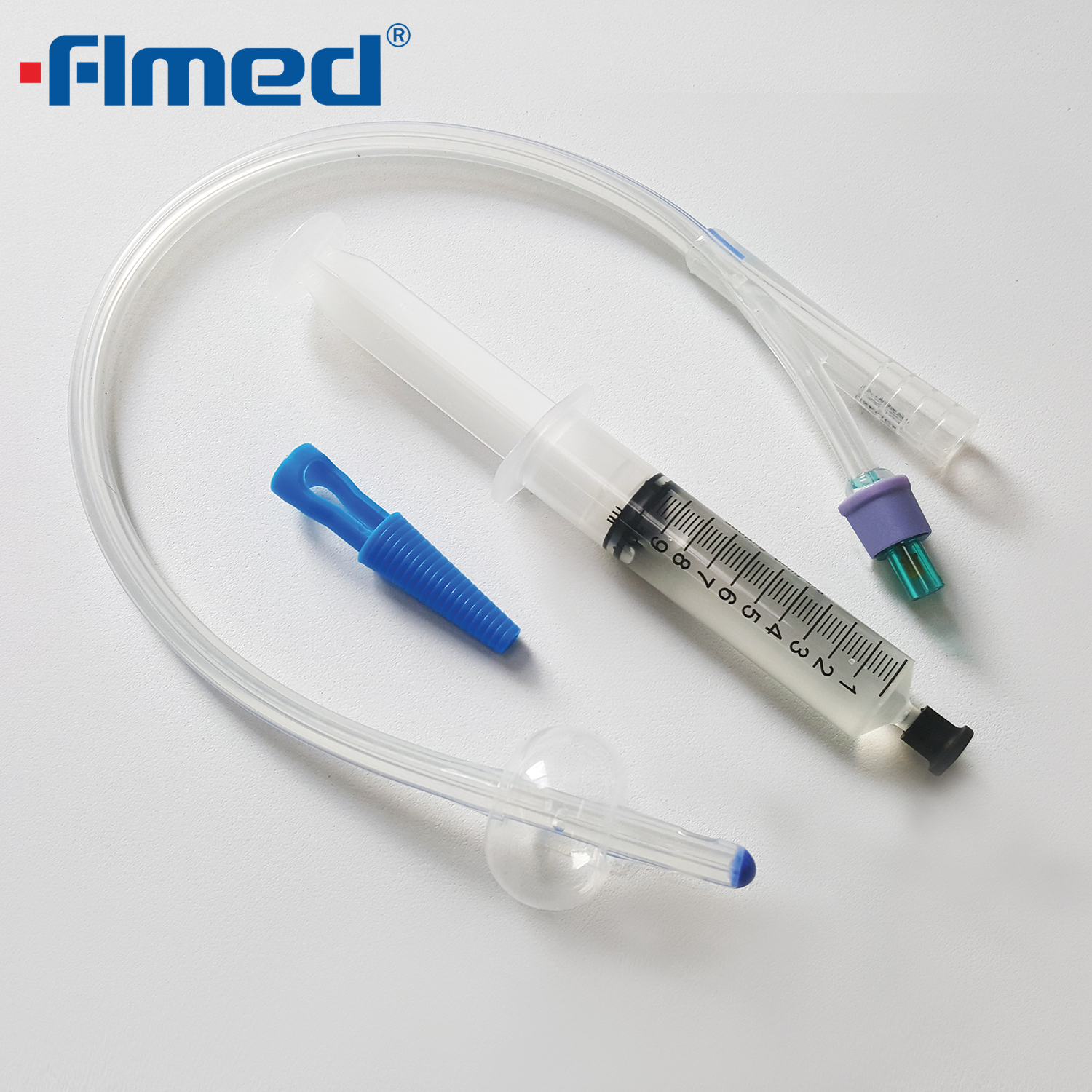
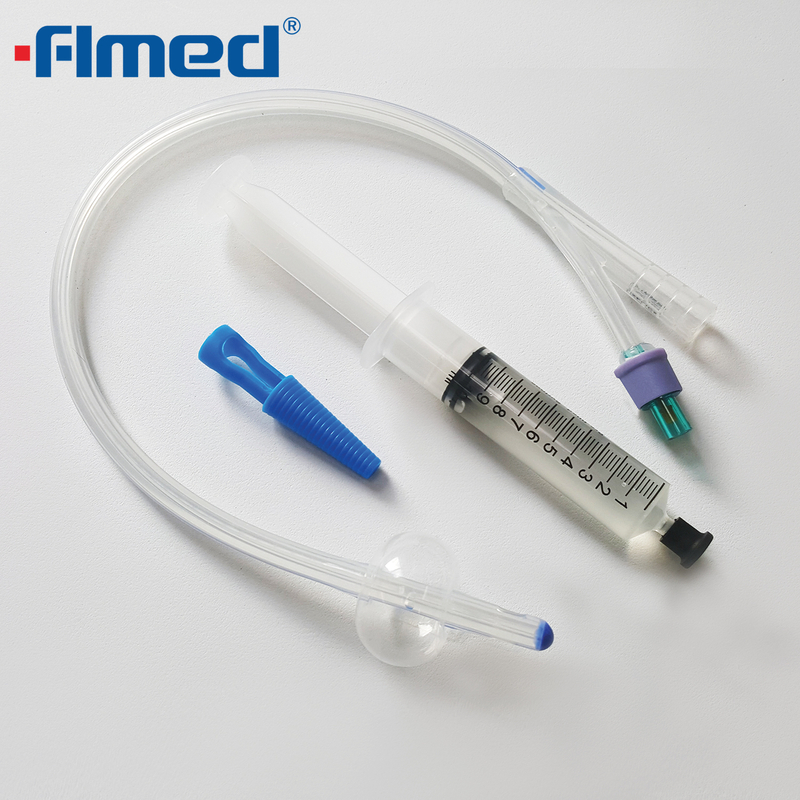
The most frequently prescribed design for both short-term recovery and long-term home drainage is the foley catheter 2 way. This tube features two distinct internal channels. The primary larger channel allows urine to drain continuously from the bladder into an external collection bag. The secondary smaller channel is equipped with a valve at the end. A nurse uses this port to inject sterile water, inflating a small balloon inside the bladder that anchors the tube securely in place.
In contrast, a 3-way design includes an additional third channel. This extra port is utilized for continuous bladder irrigation. It allows medical staff to pump sterile saline solutions directly into the bladder to flush out blood clots and surgical debris. This specific design is strictly reserved for acute care and is almost never used for routine home care.
The Anatomy of a Drainage System
It is crucial to visualize that the tube itself is only one component of a larger closed medical ecosystem. A fully functional drainage catheter setup includes the indwelling tube, the connecting extension tubing, and the collection bag. This might be a discreet leg bag for daytime mobility or a high-capacity bag for overnight use.
Maintaining the structural integrity of this closed system keeps the setup sterile. Every single time the connection between the tube and the bag is broken, environmental bacteria are introduced into the system. These pathogens can easily travel up the tubing and into the bladder.
Warning Signs It Is Time for an Early Change
Even with the highest quality materials and a strict replacement schedule, unexpected clinical complications can arise. Patients and caregivers must remain highly vigilant. If any of the following symptoms manifest, the urinary catheter must be evaluated by a professional. It will likely need to be replaced before its scheduled date.
Blockages and Reduced Flow
If urine abruptly stops flowing into the collection bag, the tube may be blocked. Blockages are frequently caused by encrustation, which is the hardened buildup of magnesium and calcium crystals. Heavy mucus or microscopic blood clots can also obstruct the drainage eyelets located inside the bladder. A blocked tube can cause urine to back up into the kidneys, creating a rapid medical emergency.
Infection Indicators
Catheter-associated urinary tract infections are the most common and dangerous risk. Bacteria colonize the surface of the tube and travel directly into the urinary tract. Immediate medical attention is required if you experience unexplained fevers, chills, or urine that is heavily clouded. A strong foul-smelling odor or sudden lethargy in elderly patients are key indicators of a systemic infection.
Bypassing and Urethral Leakage
Bypassing occurs when urine leaks out of the urethra around the outside of the tube. This is often a symptom of bladder spasms. The bladder muscle suddenly contracts, attempting to force the foreign object out. Bypassing can also indicate that the primary drainage channel is severely blocked.
Dislodgement or Balloon Deflation
Imagine rolling over in bed and the tubing snags on heavy blankets. If the tube is yanked with excessive force, the retention balloon may fail and deflate prematurely. The device might slip out of the bladder entirely. Never attempt to push a dislodged tube back in yourself. Doing so causes massive urethral trauma and introduces dangerous amounts of bacteria.
The Clinical Consequences of Prolonged Use
Understanding the precise timeline for replacing a medical device is a fundamental requirement for patient safety. When a urinary device remains inside the bladder beyond its scientifically recommended lifespan, the risks of severe clinical complications increase exponentially.
Severe Infections and Biofilms
The most prominent threat of ignoring replacement timelines is the development of a mature bacterial biofilm. The internal and external surfaces of the tube provide an ideal environment for bacteria to colonize. Over time, these microorganisms construct a protective slime matrix.
Once established, the bacteria become highly resistant to standard oral antibiotics. These bacterial colonies travel up the length of the tube directly into the bladder. From there, the infection can ascend through the ureters into the kidneys. In the most severe cases, untreated bacterial colonization enters the bloodstream, resulting in a life-threatening systemic inflammatory response.
Encrustation and Difficult Removal
Urine naturally contains various minerals and salts. When certain bacteria are present, they alter the chemical composition of the urine, making it highly alkaline. This alkaline environment causes calcium and magnesium phosphates to crystallize.
If the device remains in the bladder longer than permitted, these microscopic crystals accumulate into hard shells. Severe encrustation blocks the drainage eyelets. Furthermore, when a healthcare provider eventually attempts to remove the device, the crystallized balloon may fail to deflate properly. Extracting an encrusted balloon causes excruciating pain and significant physical trauma to the delicate mucosal lining.
Daily Care Tips to Maximize Lifespan
To ensure a device safely reaches its maximum intended lifespan, meticulous daily care is mandatory. Proper maintenance prevents the premature buildup of bacteria and minerals.
Proper Cleaning Techniques
Maintaining strict hygiene around the insertion site is the single most effective method for preventing bacterial entry. Rigorous handwashing with soap and warm water is required before and after touching any part of the equipment.
When cleaning the anatomical opening where the tube enters the body, use mild unscented soap and warm water. Harsh chemicals or alcohol-based wipes should be avoided entirely. They cause severe tissue irritation and disrupt the natural protective bacterial flora of the skin. Crucially, always wipe in a downward motion away from the body. Wiping upward pushes harmful bacteria directly into the urethra.
Managing Drainage Bags
The physical management of the external collection system is just as important. The entire closed drainage system relies heavily on gravity to function correctly. The collection bag must always be positioned below the level of the patient's bladder. If the bag is elevated above the waist, stagnant urine flows backward into the bladder, carrying concentrated bacteria with it.
Hydration Strategies
Internal maintenance is heavily reliant on daily fluid intake. High fluid intake ensures a continuous high-volume flow of urine. This constant flushing action naturally dilutes the urine, reducing the concentration of minerals and bacteria. Diluted urine significantly slows down the formation of crystalline encrustation and biofilms.
Industry Trends and Sourcing the Right Equipment
When managing chronic urinary retention, the specific type of medical equipment chosen directly impacts clinical outcomes. Procurement managers and healthcare facilities must prioritize material science and manufacturing quality over immediate cost savings.
Current Urological Market Shifts
Analyzing current urological industry trends reveals a massive global shift toward biocompatibility. Driven by stricter hospital protocols aiming to reduce infection rates, healthcare systems are rapidly phasing out traditional latex in favor of advanced polymers. There is a surging demand for 100% silicone and hydrophilic-coated options. This evolution reflects a broader medical consensus. Investing slightly more in premium materials upfront drastically reduces the downstream costs of treating severe infections, emergency blockages, and urethral trauma.
Material Comparison Overview
To better understand the operational differences between standard and premium clinical options, consider the following performance metrics:
| Material Type | Average Lifespan | Encrustation Risk | Biocompatibility | Ideal Clinical Use Case |
| Standard Latex / Teflon-Coated | 2 to 4 Weeks | High (Porous surface) | Low (Potential allergen) | Short-term post-operative recovery |
| 100% Medical Grade Silicone | Up to 12 Weeks | Low (Ultra-smooth finish) | Excellent (Hypoallergenic) | Long-term home drainage and chronic retention |
Evaluating Product Parameters
Using high-grade medically certified equipment dramatically reduces the frequency of mandatory changes. Modern medical engineering favors biocompatible materials. A high-quality silicone device features a smoother surface that actively resists bacterial adherence.
From an engineering perspective, look for specific parameters when selecting a supplier. Key indicators of quality include 100% medical-grade silicone construction, symmetrical balloon inflation to prevent bladder spasms, and a robust plastic valve mechanism for secure syringe connection. Color-coded valves for easy size identification and standard balloon capacities ranging from 5cc to 30cc ensure clinical versatility. A larger inner drainage channel, achieved through thinner yet stronger silicone walls, is significantly less likely to become blocked by blood clots or mineral sediment.
Securing Reliable Clinical Supplies
Sourcing reliable medical consumables requires partnering with manufacturers that adhere strictly to international quality and sterilization standards. Consistency in manufacturing ensures that the drainage eyes are smoothly polished to prevent micro-tears in the tissue. Selecting the right product is the very first step in a successful complication-free care plan.
Conclusion and Next Steps
Navigating life with a urinary drainage system does not have to be an overwhelming experience. Standard latex models last up to four weeks, while premium silicone models can safely remain for up to twelve weeks. Always adhere strictly to the personalized replacement schedule provided by your healthcare professional. Prioritizing strict daily hygiene and maintaining proper hydration are your best defenses against infections and blockages.
If you are a healthcare provider, procurement manager, or patient seeking dependable medical-grade urology supplies, upgrading your equipment is a crucial step. Explore the comprehensive portfolio of advanced 100% silicone and standard options at Forlong Medical to find the precise, high-quality solution tailored to your long-term care needs.
Frequently Asked Questions
Can a Foley catheter stay in for 6 months?
No. The absolute maximum duration for even the highest quality 100% silicone device is typically 12 weeks. Leaving the device in the bladder for six months poses extreme life-threatening risks of severe bacterial infection, irreversible encrustation, and structural degradation of the balloon.
Can I shower with a Foley catheter?
Yes, it is generally safe and clinically encouraged to shower with an indwelling urinary device. Wash the insertion area gently with mild soap and warm water. However, you must avoid taking baths, swimming, or soaking in hot tubs. Submerged stagnant water allows dangerous bacteria to enter the urethra.
Does it hurt to remove a Foley catheter?
Removal should not be a painful process when performed correctly by a professional. A nurse or doctor uses a sterile syringe to completely extract the water from the small retention balloon holding the device in place. Once deflated, the tube slides out smoothly. Patients may experience a brief mild pulling sensation.
What is the difference between a 2-way and 3-way configuration?
A 2-way device features two distinct channels. One is dedicated to draining urine and the other is for inflating the retention balloon. A 3-way device includes an additional third channel. This third port is utilized to continuously pump sterile saline fluid into the bladder to wash out blood clots and surgical debris. It is primarily used following prostate or bladder surgery.
How do you know if a catheter is blocked?
A blockage is usually indicated by a sudden lack of urine flow into the drainage bag over a period of a few hours. You might also experience severe lower abdominal cramping, a feeling of a full bladder, or notice urine leaking around the outside of the tube. If these signs occur, immediate medical evaluation is required to flush or replace the device.
Can a patient walk around with a Foley catheter?
Absolutely. Mobility is highly encouraged to promote overall health and prevent blood clots. To walk comfortably, the main drainage bag can be swapped for a smaller, discreet leg bag that straps securely to the thigh or calf. Always ensure the bag remains below the level of the bladder while moving to prevent urine from flowing backward.

 English