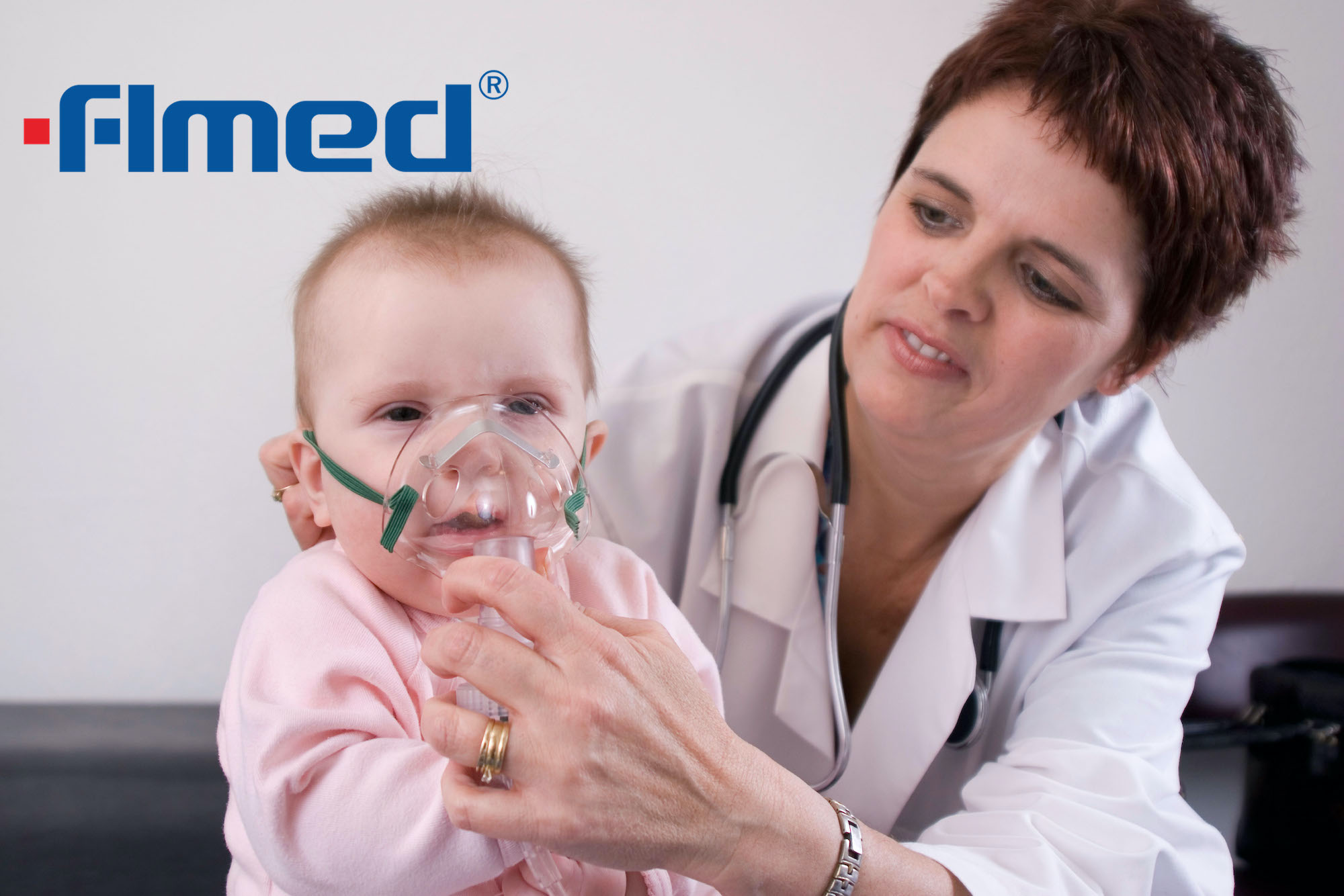
Administering respiratory therapy requires precision at the bedside. A slight misalignment can turn a life-saving intervention into a clinical hazard. Properly fitting an Oxygen mask is not merely a matter of patient comfort; it is a critical clinical variable that dictates therapy efficacy. An improper fit compromises the fraction of inspired oxygen (FiO₂), increases the risk of carbon dioxide (CO₂) rebreathing, and wastes institutional oxygen resources.
For clinical directors, respiratory therapists, and procurement teams, establishing standard operating procedures (SOPs) around mask application is vital. Selecting equipment that minimizes user error is just as important. Doing so significantly improves patient outcomes and operational efficiency. In the following sections, we will explore detailed fitting protocols, evaluate different equipment choices, and provide practical troubleshooting techniques. You will discover actionable steps to elevate respiratory care standards while protecting patient safety.
Key Takeaways
Precision dictates safety: A poorly fitted mask leads to oxygen leakage, suboptimal FiO₂ delivery, and dangerous CO₂ retention.
Design impacts compliance: Open-style masks significantly reduce fitting time and mitigate the claustrophobia often associated with traditional closed masks.
Standardization reduces errors: Transitioning to masks with broad FiO₂ ranges (24%–90%) eliminates the need for frequent mask changeouts during varying patient acuities.
Safety protocols are non-negotiable: Implementing strict guidelines around skin protection and avoiding petroleum-based lubricants is mandatory to prevent fire hazards and skin breakdown.
The Clinical & Operational Costs of Improper Fitting
Securing a respiratory device incorrectly creates immediate risks. Bedside clinicians must understand these dangers to prioritize proper application techniques. When you fail to achieve a secure seal, the therapy breaks down on multiple fronts. We see compromised clinical efficacy, increased physiological risks, and noticeable operational waste.
Compromised Efficacy & Hypoxia
Therapeutic oxygen delivery relies on predictability. Loose seals dilute therapeutic oxygen with ambient room air. This dilution is exceptionally dangerous during critical moments. In non-rebreather and Venturi setups, clinicians expect specific oxygen concentrations. If ambient air seeps in through gaps around the nose or cheeks, the actual FiO₂ drops dramatically. Patients can quickly slip into hypoxia despite receiving high flow rates from the wall meter. A false sense of security develops when the equipment looks operational but structural leaks undermine the treatment.
CO₂ Rebreathing Risks
Closed masks present unique physiological dangers if positioned poorly. Inadequate exhaust ports or an improper fit trap exhaled air inside the device. The patient ends up rebreathing their own carbon dioxide. This scenario accelerates hypercapnia. Symptoms of CO₂ retention include dizziness, confusion, and eventually lethargy. Without optimal clearance, the dead space inside a traditional mask becomes a hazard. Proper placement ensures the exhaust vents remain unobstructed, allowing CO₂ to escape freely.
Skin Integrity & Pressure Ulcers
Nurses and therapists sometimes compensate for the wrong mask size by overtightening the straps. This creates severe friction wounds. Pressure ulcers rapidly form on the nasal bridge and behind the ears. These wounds are intensely painful for the patient. They also invite secondary infections. Poor skin integrity forces clinicians to halt continuous therapy, ultimately compromising respiratory support. Preventing these pressure points requires exact sizing and appropriate strap tension from the very first application.
Resource Inefficiency
Hospitals run on tight margins. Continuous oxygen leakage causes cumulative financial damage. Unnecessary device changeouts drive up supply chain costs. If a mask constantly slips or fails to deliver the target FiO₂, staff must swap it out. This burns through disposable inventory quickly. Furthermore, compensating for leaks by needlessly increasing the flow rate drains hospital bulk liquid oxygen reserves. Addressing fit accuracy directly curbs this resource inefficiency.
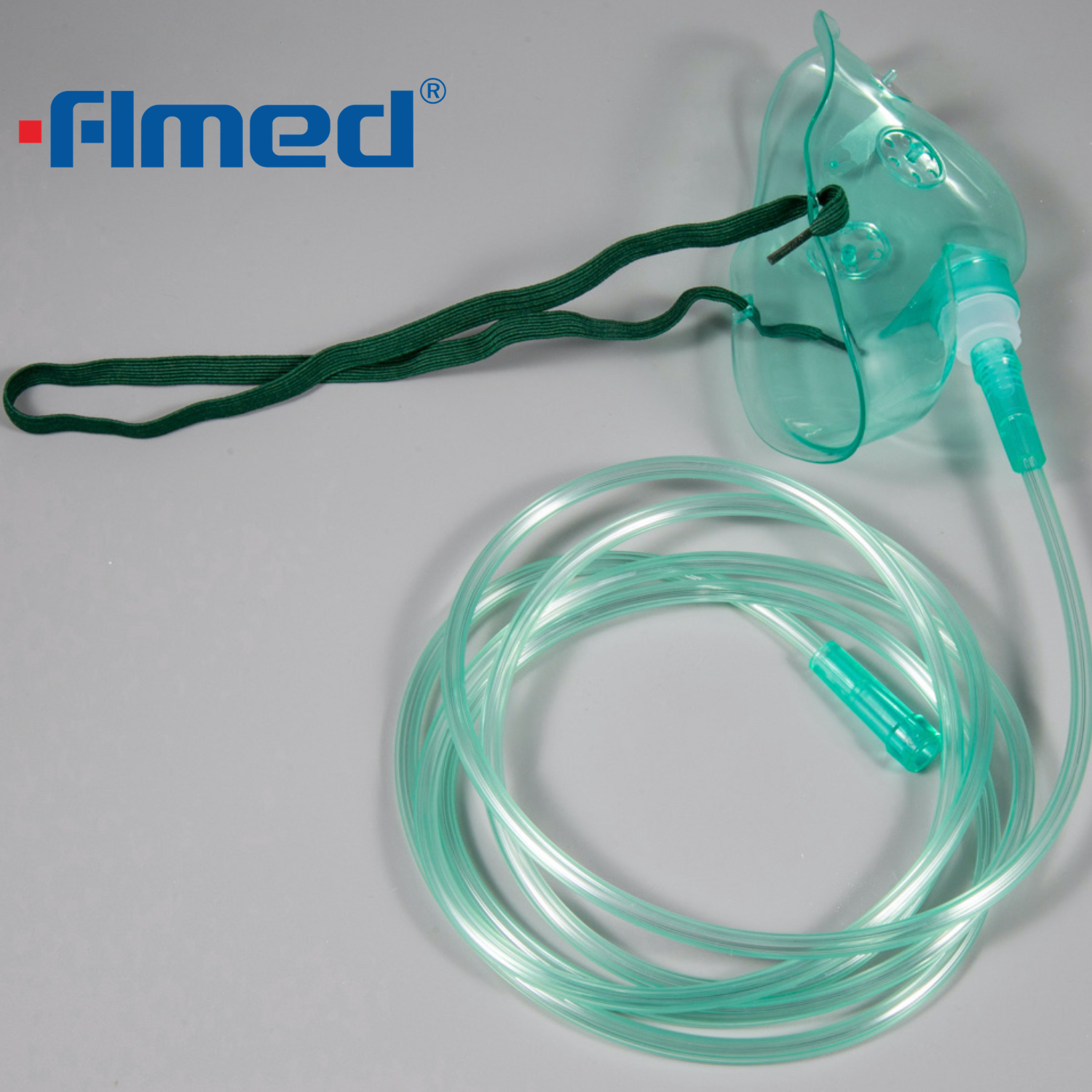
Step-by-Step Fitting Protocol for Standard and Open Oxygen Masks
Standardizing the bedside approach eliminates guesswork. A clear, evidence-based execution protocol ensures every clinician provides consistent care. We recommend following these structured steps to guarantee both safety and comfort.
Step 1: Device Preparation & Flow Verification
Preparation begins before the device touches the patient. Selecting the correct size is your first critical decision. You must evaluate the patient’s facial structure. Adult and pediatric sizes are not interchangeable. Using an adult size on a small adolescent guarantees massive leaks. Conversely, a pediatric size on an adult causes severe pinching.
Next, you must pre-set the flow meter in liters per minute (L/min). Match this to your targeted FiO₂ before placing the unit on the patient's face. Pre-setting the flow prevents a sudden, alarming blast of dry gas from hitting the patient unexpectedly. This simple preparatory step drastically reduces initial patient anxiety and rejection.
Step 2: Anatomical Positioning
Positioning dictates performance. The approach differs depending on the design you use.
Closed Masks: Center the device carefully. Ensure the concave portion creates a secure, airtight seal. This seal must run uninterrupted from the bridge of the nose down to just below the lower lip. Any gaps along the cheekbones will cause flow disruption.
Open Masks: These require a different tactile approach. Position the diffuser optimally to direct the gas flow precisely toward the nose and mouth. Because they lack a restrictive outer shell, they easily accommodate mouth-breathers. Aim the central diffuser accurately to maximize inhalation capture.
Step 3: Tension and Securing (The "Two-Finger" Standard)
Securing the straps requires a delicate balance. You must route the straps over the ears or around the crown of the head. This depends entirely on the specific manufacturer design. Once routed, adjust the sliding toggles until secure.
We rely on the "Two-Finger" standard here. You should be able to slide two fingers comfortably between the securing strap and the patient’s skin. If you cannot fit two fingers, the strap is too tight. Over-tightening creates dangerous pinch-points and restricts blood flow. The device should rest securely without biting into the facial tissue.
Step 4: Clinical Communication & Reassessment
Never skip patient communication. Explain the procedure calmly. Tell them why the therapy is necessary and how it will feel. Reducing their anxiety prevents them from immediately ripping the unit off their face. Compliance improves dramatically when patients understand the process.
After placement, begin your clinical reassessment immediately. Monitor their SpO₂ levels using a pulse oximeter. Observe their respiratory rate and work of breathing. Finally, listen closely. Confirm the absence of hissing sounds around the edges. A distinct hiss almost always indicates a structural leak requiring immediate readjustment.
Evaluating Mask Types: How Equipment Choice Simplifies Application
Choosing the right equipment fundamentally changes the bedside experience. Modern technology reduces application friction and enhances clinical outcomes. We must evaluate solutions by comparing legacy approaches against modern innovations.
Traditional Closed Masks (Non-Rebreathers & Venturi)
Traditional closed units dominate legacy protocols. Clinicians know them well. This familiarity remains their biggest strength. However, their weaknesses are glaring in fast-paced environments.
They require exact sizing to achieve a functional tight seal. If the size is marginally off, efficacy plummets. Furthermore, they necessitate swapping entire devices when patient oxygen demands shift. If a patient improves, a nurse must remove the non-rebreather, discard it, and locate a nasal cannula. This constant swapping disrupts care and wastes time.
Next-Generation Open Oxygen Masks
Modern open designs solve many legacy problems. They utilize directed diffuser technology. This mechanism mixes ambient room air while allowing entirely unobstructed CO₂ exhaust. Patients feel less claustrophobic because the structural shell is minimal.
When evaluating these options, look for wide performance metrics. Choose models capable of delivering a broad FiO₂ range using a single form factor. High-quality open devices can deliver anywhere from 24% to 90% FiO₂ simply by adjusting the wall meter.
The operational impact is massive. It entirely eliminates the sizing "guessing game." More importantly, it reduces the time nurses spend switching between nasal cannulas and high-concentration devices during emergent respiratory escalations. One device stays on the patient throughout their entire acuity journey.
Comparison Chart: Traditional vs. Open Designs
| Evaluation Criteria | Traditional Closed Masks | Next-Generation Open Masks |
| CO₂ Clearance | Relies on small exhaust ports; higher risk of retention. | Unobstructed open design; excellent natural clearance. |
| FiO₂ Flexibility | Narrow ranges; requires swapping units as acuity changes. | Broad ranges (24% - 90%) using a single device. |
| Sizing Complexity | Requires exact anatomical match for a tight seal. | Highly adaptable; forgiving fit limits sizing errors. |
| Patient Comfort | Often causes claustrophobia and communication barriers. | Lightweight, allows easy speaking and drinking. |
Troubleshooting Patient Comfort & Adherence Constraints
Even the best equipment requires real-world troubleshooting. Patients frequently resist respiratory devices due to discomfort. Addressing these constraints directly demonstrates high-level clinical experience and builds patient trust.
Managing Friction & Pressure Points
Straps inevitably cause friction during prolonged use. You can manage this proactively. Utilize medical-grade fabric tape on sensitive skin areas before redness appears. Alternatively, apply protective tube covers directly onto the elastic straps. These soft covers alleviate ear pressure significantly. If a patient complains of pinching, immediately adjust the routing angle. Do not force them to endure the pain, as they will simply remove the device when you leave the room.
Mitigating Mucosal Dryness
High-flow gas dries out mucosal membranes rapidly. This leads to nosebleeds, throat irritation, and severe discomfort. For flow rates exceeding standard thresholds, you must integrate in-line humidification. Adding moisture makes the therapy much more tolerable.
When dryness persists, topical relief is necessary. However, safety is imperative here. Apply only water-based lubricants, such as K-Y Jelly, or standard saline sprays to the nasal passages. Strictly prohibit the use of petroleum jelly, like Vaseline. Petroleum products present severe flammability risks in oxygen-rich environments. A single spark can ignite petroleum residue, causing catastrophic facial burns.
Adapting for Sleep / Nighttime Use
Nighttime introduces adherence challenges. Patients roll over, dislodging their equipment. You must adapt the setup for sleep. Adjust the strap routing to secure the unit better. Move the sliding toggle to the back of the neck rather than under the chin. This prevents the unit from sliding off during side-sleeping. Instruct patients to use supportive pillows to keep their head slightly elevated, which also prevents the tubing from kinking under their body weight.
Procurement Logic: Standardizing Inventory to Reduce User Error
Clinical excellence scales through smart procurement. Decision-makers must look beyond individual unit costs. Standardizing inventory streamlines operations and significantly reduces clinical mistakes at the bedside.
Consolidating SKUs
Hospital supply rooms are often cluttered with overlapping devices. Adopting versatile, modern designs allows you to replace multiple specialized units. A single open-style product can often replace Venturi setups, simple masks, and non-rebreathers simultaneously. Consolidating stock-keeping units (SKUs) drastically reduces supply chain complexity. It frees up physical storage space and simplifies ordering logistics for the purchasing department.
Reducing Bedside Error Rates
Complexity breeds clinical errors. When staff must memorize different flow-to-concentration conversions for five different devices, mistakes happen. Training staff on a single, highly adaptable design simplifies education. It significantly drops the incidence of incorrect conversions. Nurses gain confidence when they only need to master one piece of equipment. This standardized approach ensures patients receive exactly the therapy the physician ordered.
Calculating Total Cost of Care
Evaluating procurement success requires looking at the big picture. Do not simply focus on the upfront unit price of premium equipment. You must calculate the downstream savings. High-efficiency designs reduce bulk liquid oxygen consumption heavily. Facilities often reduce waste by upwards of 20-30% simply by eliminating ambient leakage. Furthermore, using one device across multiple acuity levels means fewer required changeouts. Less wasted plastic and less wasted nursing time translate to profound institutional savings.
Conclusion
Properly fitting an oxygen device requires a balance of clinical precision, patient communication, and optimal equipment selection. Every step in the application process matters, from verifying flow rates to ensuring the two-finger tension rule. By moving away from highly error-prone, tightly sealed legacy masks toward adaptable, open-design solutions, healthcare facilities can standardize their respiratory protocols.
This modernization not only guarantees reliable FiO₂ delivery but also drives down institutional costs and protects patient skin integrity. It empowers nurses to act faster during emergencies without hunting for new equipment. Facilities should audit their current changeout rates and oxygen waste metrics today. Using this data will easily justify modernizing your respiratory inventory, ultimately leading to safer, more efficient patient care.
FAQ
Q: What is the correct flow rate to set before fitting an oxygen mask?
A: The flow rate depends on the mask type and patient acuity. Simple masks typically require 5–10 L/min to flush out exhaled CO₂, while advanced open masks can operate efficiently anywhere from 1 to 15+ L/min. Always follow the manufacturer's specific conversion charts.
Q: How do you prevent carbon dioxide rebreathing with a standard mask?
A: Ensure the oxygen flow is high enough to continuously flush the mask's dead space. If a patient is retaining CO₂, consider switching to an open-style mask or adjusting the flow rate per respiratory therapy guidelines.
Q: How often should a disposable oxygen mask be replaced?
A: In a clinical setting, replacement follows hospital infection control protocols (often every 2-4 weeks for long-term use, or immediately if soiled). Home users should replace masks after recovering from respiratory illnesses like a cold or flu.
Q: What should I do if the reservoir bag on a non-rebreather mask doesn't inflate?
A: Verify that the oxygen source is turned on, the flow is set appropriately high (usually 10-15 L/min), and all tubing connections are secure. Minor fluctuations in the bag during normal respiration are expected, but it should never fully deflate.

 English