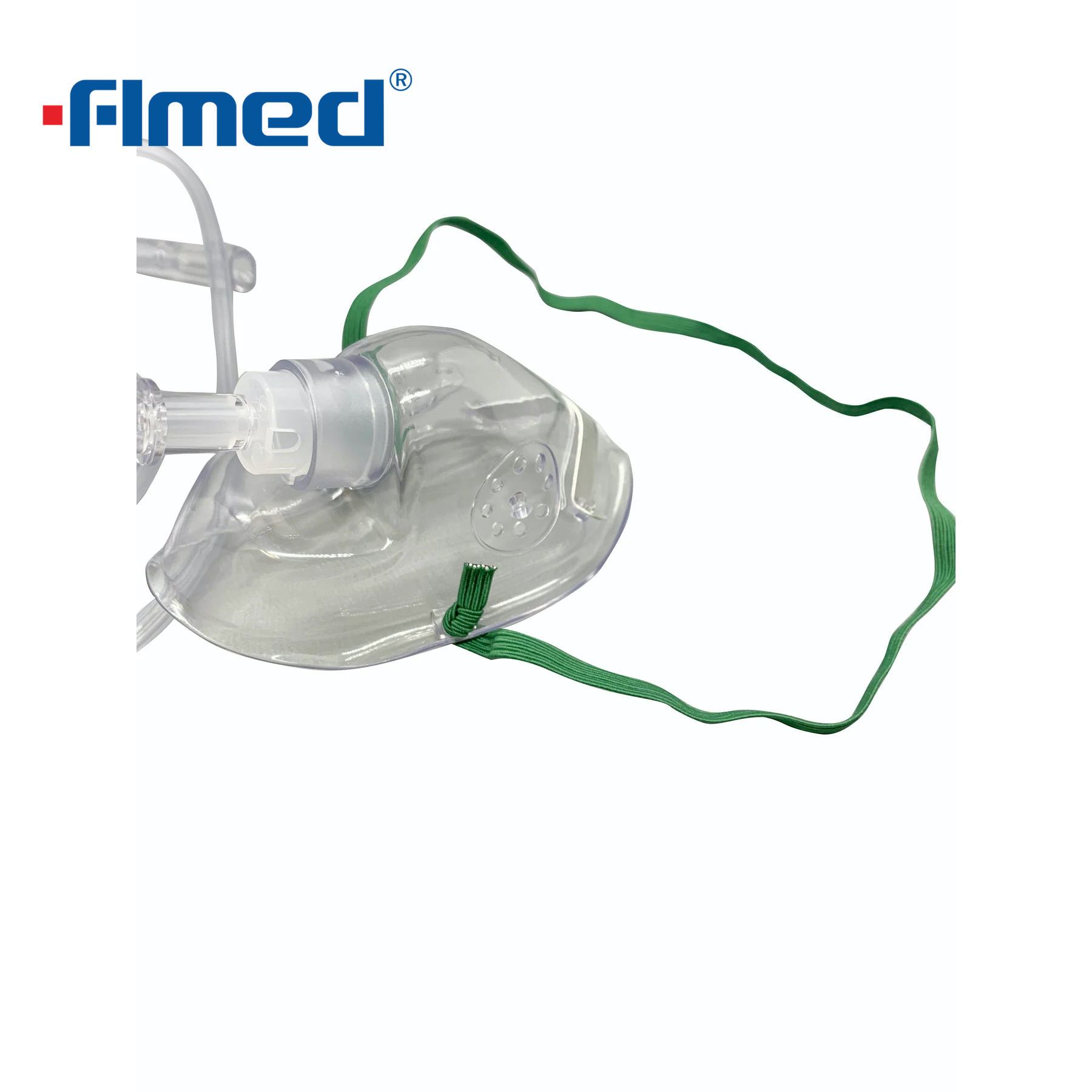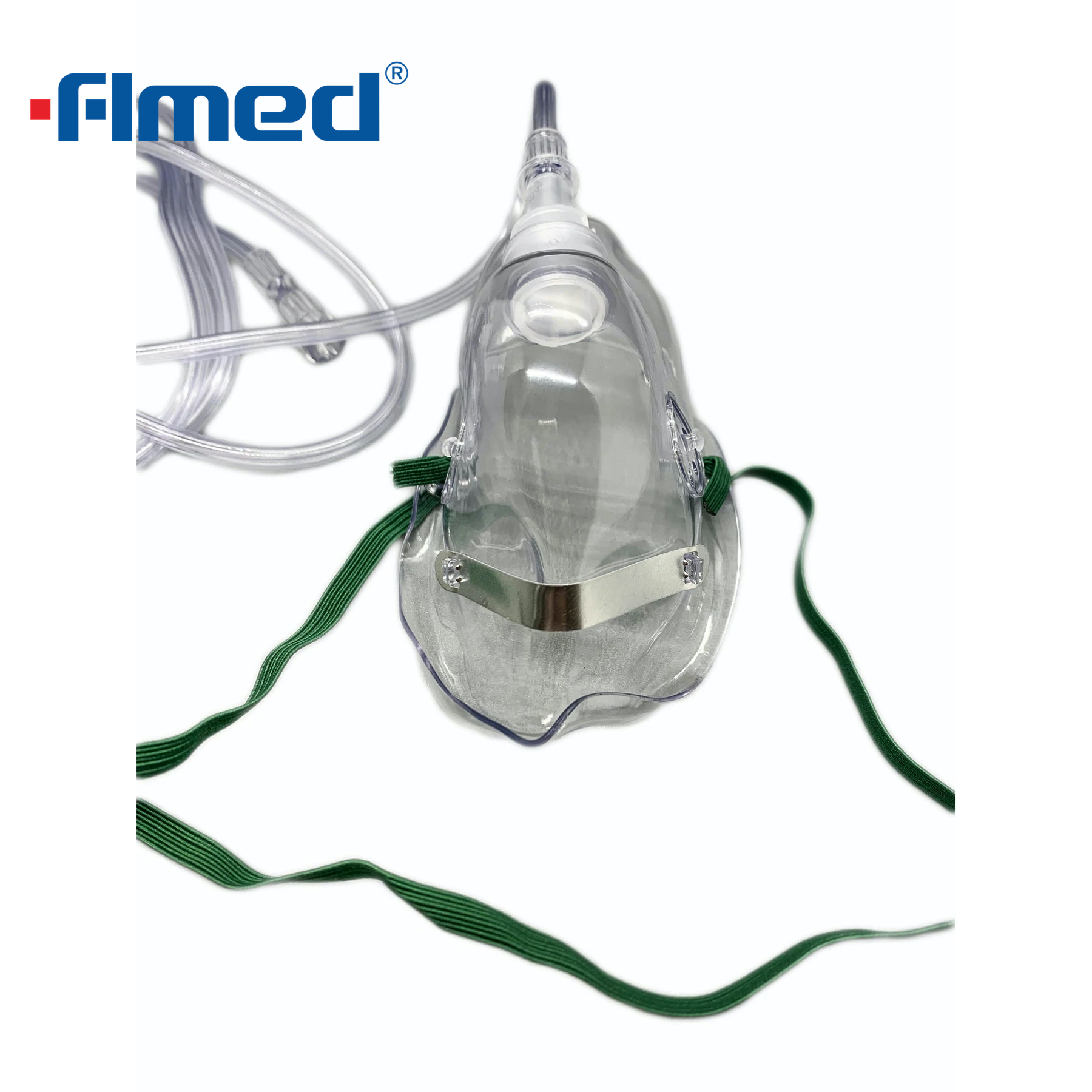
Respiratory care demands absolute precision at every single step. You simply cannot afford mistakes when managing life-saving equipment. Improperly handled gear directly threatens user safety and health outcomes. Storing an Oxygen mask incorrectly compromises clinical efficacy and accelerates material degradation. It also introduces severe biological and chemical hazards into the care environment.
For healthcare facilities, aviation operators, and at-home users, compromised respiratory equipment leads to secondary infections. Physical deformation ruins reliable gas delivery. Bad storage also triggers critical safety violations, including terrifying combustion risks. Effective storage is not merely putting the equipment away in a drawer. It requires a highly systematic approach. We will explore essential pre-storage decontamination protocols and strict environmental controls. You will also learn vital adherence to material safety compliance. Following these protocols keeps your respiratory equipment completely safe and deployment-ready.
Key Takeaways
Clean Before Storing: Never store a used, unwashed mask. Biological residue accelerates bacterial growth in enclosed spaces.
Maintain Natural Curvature: Storing an oxygen mask under physical pressure deforms the facial seal and damages exhaust valves, rendering it useless.
Strict Chemical Isolation: Keep masks away from petroleum-based products, aerosols, and oils to prevent material degradation and severe fire hazards in oxygen-rich environments.
Short-Term vs. Long-Term Distinction: Use breathable barriers (like paper bags) for temporary daily storage, and airtight, climate-controlled containers for long-term preservation.
Establish End-of-Life Protocols: Storage cannot reverse physical damage. Discard masks exhibiting hardened silicone, structural failure, or persistent odors.
The Hidden Risks of Improper Oxygen Mask Storage
You cannot ignore the dangers of casual equipment storage. Material degradation happens rapidly in poorly managed environments. Many users severely underestimate these hidden hazards. Let us explore the three major risks you face when ignoring proper protocols.
First, biological contamination presents a massive daily threat. You might place a recently used unit inside a non-breathable plastic container. This specific action immediately traps human exhalation moisture inside the sealed unit. Warm, moist environments create an ideal breeding ground for dangerous pathogens. Bacteria and mold multiply aggressively in these enclosed spaces. You risk inhaling these harmful microbes directly during your next therapy session.
Second, physical deformation directly causes facial seal failure. Users often cram their equipment into tight spaces. You might shove it into deep pockets, crowded desk drawers, or heavy medical bags. This external pressure easily crushes the delicate metal nose clip. It also distorts the soft silicone or rubber flange. A deformed flange leads to fatal gas leaks during operation. The equipment simply cannot deliver the prescribed medical air volumes.
Finally, chemical and combustion hazards demand your strict attention. Concentrated oxygen acts as a highly reactive element. It strongly accelerates combustion in any enclosed environment. You must never expose stored masks to room aerosols or petroleum-based lubricants. Vaseline and similar oil residues introduce immediate, catastrophic fire risks. Furthermore, these chemical agents quickly degrade the structural integrity of the silicone. The material becomes brittle and fails when you need it most.
![oxygen mask storage]()
Pre-Storage Protocol: Cleaning and Inspection
Proper storage begins long before you pack the equipment away. You must implement a rigorous cleaning routine. This critical phase ensures your gear remains safe and highly functional. We recommend following these essential preparation steps.
Separation of Components
Always disassemble the unit before starting the cleaning process. You must disconnect the primary face piece from the delivery tubing. Remove the pressure regulator and any attached filter cartridges. Separating these parts prevents moisture from hiding in tight connection points. It also allows you to inspect each component individually for hidden wear.
Decontamination Red Lines
You must follow strict rules for washing reusable panels. Wash exhaust valves gently using mild, water-based soaps. We strongly advise against using harsh chemical solvents. Never use alcohol-based cleaners on these delicate parts. Alcohol strips moisture from plastics and rubber over time. This chemical reaction corrodes the material and causes invisible micro-tears.
The Absolute Dry Rule
Moisture remains the greatest enemy of stored medical equipment. The unit must be 100% air-dried before entering any long-term container. Water drops trapped in valves invite toxic mold growth. This trapped moisture also compromises the delicate pressure demands of your delivery system. We suggest air-drying parts on a clean, lint-free towel.
Pre-Storage PRICE Check Validation
Aviation safety standards offer excellent guidance for medical gear maintenance. Borrowing from these frameworks, evaluate your equipment before packing it away. Use the PRICE method to ensure it remains deployment-ready.
Pressure compatibility: Confirm the structural material handles required gas flows safely.
Regulator connections: Check all attachment points for unwanted stretching or wear.
Indicator functionality: Ensure exhaust valves operate smoothly without sticking.
Clear pathways: Verify the main tubing has no physical blockages.
Emergency readiness: Pack the unit securely for immediate, fumble-free access.
Evaluating Storage Environments: Short-Term vs. Long-Term
Different usage frequencies require entirely different storage solutions. You must adapt your approach based on the expected downtime. We classify these environments into short-term and long-term categories. Using the wrong method directly damages your respiratory tools.
Short-Term (Intra-Day) Storage Solutions
Sometimes you only remove the gear temporarily. You need a safe spot between daily treatment sessions. When removing it temporarily, fold it inward against itself. This specific methodology protects the interior surface from airborne room particulates. You actively stop room dust from settling inside the critical breathing zone.
For the container, use a clean, breathable paper envelope. A standard paper bag works perfectly for this exact purpose. The breathable material allows any residual exhalation moisture to evaporate quickly. Avoid hanging the elastic strap on wall hooks. Never rest the unit face-down on open workbenches. These lazy habits expose the interior to immediate environmental contamination.
Long-Term (Between Uses) Storage Solutions
Long-term preservation demands a much stricter methodology. Once fully cleaned and thoroughly dried, handle the unit carefully. You must store it in a way retaining its "natural curvature." Avoid placing heavy objects on top of the packed bag. Prevent any localized pressure points from pressing on the delicate exhaust valves.
Place the dried unit in an airtight, zip-sealed container. This plastic barrier blocks harmful household dust and ambient humidity. Keep your designated storage station away from extreme room temperatures. Block direct sunlight from hitting the transparent container. Ultraviolet rays cause severe UV degradation of the rubber parts. Finally, keep the station away from heavy machinery to prevent accidental crushing.
| Storage Type | Primary Goal | Recommended Container | Key Environmental Focus |
| Short-Term (Intra-Day) | Moisture evaporation and dust protection | Breathable paper envelope or bag | Avoid open workbenches and wall hooks |
| Long-Term (Between Uses) | Shape preservation and contamination block | Airtight, zip-sealed plastic bag/box | Block UV light, extreme heat, and humidity |
Compliance and Safety Standards for Oxygen Equipment
Workplace and home environments contain many hidden threats. You must establish strict rules around your respiratory storage stations. Routine compliance guarantees the gear functions properly during a medical emergency. Ignoring these safety standards invites disaster.
The 5-Foot Clearance Rule
Heat sources easily damage delicate medical polymers over time. Ensure your designated storage area follows the strict five-foot clearance rule. You must locate it at least 5 feet away from any heat source. Keep it far from open flames, radiators, and fireplaces. Heat-generating electrical appliances also pose serious risks. Space heaters, ovens, and even small electronics can subtly melt adjacent plastics.
Material Interactions
Chemical fumes silently destroy silicone seals. You must enforce strict workplace or household rules regarding airborne chemicals. Forbid the presence of air fresheners near the storage station. Do not use hairsprays or aerosol deodorants in the exact same room. Keep oil-based skin products completely away from the designated shelf. These floating chemical particles settle on the equipment and degrade the flexible materials.
Facility Audits & WHS Compliance
Enterprise and clinical settings face heavy regulatory scrutiny daily. Auditors heavily penalize improper respiratory storage practices. Employees sometimes carelessly hang masks on medical gas cylinders. Others thoughtlessly throw them on transport vehicle dashboards. These specific actions trigger Workplace Health and Safety (WHS) audit failures. Standardize your facility by installing dedicated, clearly labeled storage bins.
| Audit Checkpoint | Pass Criteria | Fail Criteria (Common Mistakes) |
| Thermal Isolation | Stored 5+ feet from heat sources | Placed near radiators or sunny windows |
| Chemical Isolation | Zero aerosols or oils in the storage zone | Stored next to cleaning supplies or lotions |
| Container Suitability | Paper bags (daily) or sealed bins (long-term) | Ziplock bags used for wet, just-used units |
| Physical Integrity | Stored uncrushed with natural curvature | Crammed tightly into pockets or drawers |
Identifying End-of-Life: When to Discard Instead of Store
Perfect storage protocols cannot salvage fundamentally compromised equipment. You must know exactly when to throw damaged items away. Keeping degraded gear creates massive health and safety hazards. Storage serves to protect equipment, not magically repair it.
Recognizing Material Fatigue
Inspect your stored gear regularly for signs of physical fatigue. Discard the Oxygen mask if the head straps have lost their elasticity. Look closely at the facial seal for deep, permanent creases. Examine the tubing connectors for dangerous micro-cracks. Storage environments cannot fix these structural failures. Once the material tears or warps, it loses its protective seal entirely.
Contamination Indicators
Visual and olfactory clues tell you when to replace items. A unit has breached safety thresholds if it retains visible stains. Makeup residue, skin oils, and biological fluids permanently ruin the silicone matrix. Pay close attention to persistent odors after washing. If moisture remains stubbornly trapped inside sealed exhaust valves, discard the unit immediately. Lingering smells indicate deep bacterial colonization.
Manufacturer Lifespans vs. Crisis Capacity
You should generally follow standard operational guidelines for replacement. Adhere strictly to the manufacturer's designated shelf-life. This safety period usually spans 3 to 5 years for sealed, unused medical gear. Only rely on extended-use contingency protocols during documented supply chain shortages. These rare crisis capacity strategies require intense visual integrity checks. Standard daily operations should never push equipment past its intended lifespan.
Conclusion
Preventing contamination in an oxygen mask requires treating storage as a critical phase of the equipment's lifecycle, not an afterthought. By implementing strict pre-cleaning routines, distinguishing between breathable short-term and airtight long-term containers, and enforcing chemical isolation, users can guarantee their equipment remains safe, compliant, and structurally sound for its next use. Evaluate your current storage environment today to ensure it meets these non-negotiable safety criteria.
Inspect your designated storage area immediately for nearby heat sources or chemical aerosols.
Adopt the paper-bag method for temporary daily pauses to prevent dangerous moisture buildup.
Audit your supplies to discard any units showing permanent creases, stiff silicone, or persistent odors.
Commit to thorough air-drying routines before placing any respiratory gear into long-term sealed containers.
FAQ
Q: Can I store my oxygen mask in a standard plastic ziplock bag?
A: For long-term storage of a completely dry and thoroughly cleaned reusable mask, an airtight ziplock bag is highly recommended to keep out dust and moisture. However, for short-term storage immediately after use, avoid plastic bags as they trap exhalation condensation; use a breathable paper bag instead.
Q: How do I prevent my mask tubing from getting kinked in storage?
A: Disconnect the tubing from the mask and loosely coil it. Never fold the tubing sharply or wrap it tightly around the oxygen source or regulator, as this creates permanent creases that restrict life-saving airflow.
Q: Is it safe to clean the oxygen mask with alcohol wipes before storing it?
A: No. Alcohol and harsh chemical solvents can degrade the silicone, rubber, and plastic components of the mask over time, leading to micro-tears and a compromised facial seal. Use mild soap and water, and allow it to air-dry completely.
Q: How often should a stored, reusable oxygen mask be replaced?
A: Replacement timelines depend on usage frequency and manufacturer guidelines. However, you should immediately discard any mask that shows signs of hardened silicone, cracked valves, snapped straps, or irreversible contamination, regardless of its time in storage.

 English