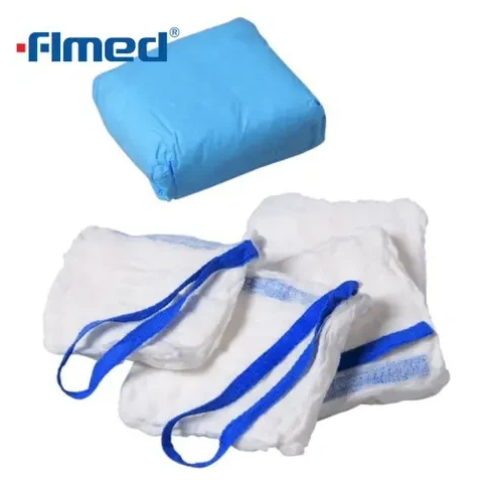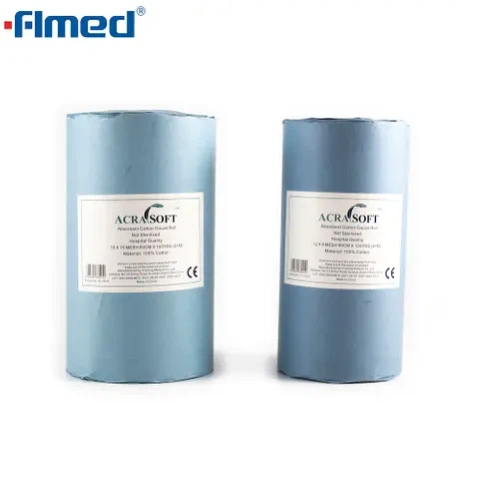
Most “gauze problems” are actually handling problems. Slipping wraps, leakage, sticking to wounds, discomfort during removal—these issues are rarely caused by the material itself. They usually result from improper preparation or incorrect application. When Medical Gauze is used with a clean, structured method, it performs reliably and supports safe wound care across clinical, emergency, and home environments. Understanding how to prepare, apply, secure, and monitor gauze dressings not only improves outcomes but also reduces waste, complaints, and unnecessary product replacement.
Correct technique builds confidence for healthcare providers and distributors alike. A consistent method ensures that gauze swabs and gauze bandages function exactly as intended, whether used in a hospital, outpatient clinic, or first-aid kit.
Before You Touch the Wound: A 60-Second Preparation Routine
Effective wound dressing begins before the gauze makes contact with the skin. Preparation directly influences hygiene, comfort, and dressing stability.
Hand Hygiene and a Clean Working Surface
Start by thoroughly cleaning your hands using soap and water or an approved hand sanitizer. Even in non-clinical settings, hand hygiene remains the foundation of infection prevention.
Next, prepare a clean, flat surface where materials can be placed safely. Lay out:
Sterile gauze swabs if the wound is open
Gauze bandage or gauze roll for securing
Medical tape if required
Cleaning solution appropriate for wound care
Avoid opening sterile packaging until you are ready to apply it. Keeping materials organized minimizes unnecessary movement and reduces the risk of contamination during the process.
An organized setup improves efficiency and reduces errors.
Choosing Sterile or Non-Sterile Based on Wound Status
One simple rule helps eliminate confusion: if the gauze will directly touch an open wound, use sterile products.
Sterile medical gauze is essential for:
Post-surgical wounds
Deep cuts
Fresh bleeding injuries
Any wound at risk of infection
Non-sterile gauze may be appropriate for:
Secondary wrapping
Cushioning layers
Supporting a sterile primary dressing
Cleaning intact skin
When uncertain, choose sterile. This approach prioritizes safety and simplifies decision-making.
Forlong Medical, established in 2010, is a professional supplier of high-quality medical disposables. The company manufactures gauze swabs, gauze rolls, and gauze bandages using medical-grade raw materials and modern production processes. Reliable sterile packaging integrity and consistent product quality support safe application across various healthcare settings.
Step-by-Step: Using a Gauze Swab to Clean and Cover
Gauze swabs are designed for precision. Their compact size and controlled absorbency make them ideal for cleaning and direct wound coverage.
Cleaning Direction and Pressure
Begin by gently cleaning the wound area. Use smooth outward strokes, moving from the center of the wound toward the surrounding skin. This method helps prevent spreading debris inward.
Apply light, controlled pressure. Excessive force can irritate tissue and delay healing. A properly manufactured gauze swab absorbs fluid effectively without requiring aggressive scrubbing.
High-quality swabs maintain fiber stability and minimize linting. This reduces the chance of fiber residue remaining on the wound surface.
Cleaning should be purposeful and gentle. The goal is to remove debris while preserving healthy tissue.
Selecting the Correct Swab Size
Choose a gauze swab that fully covers the wound with slight overlap. Too small, and edges remain exposed. Too large, and unnecessary bulk may create discomfort.
For wounds producing moderate exudate, layering two swabs can increase absorption capacity. Always adjust thickness based on wound condition.
Consistent sizing improves dressing stability and enhances patient comfort.
Forlong Medical offers gauze swabs in multiple sizes and ply options, allowing distributors and healthcare providers to match product dimensions to specific clinical requirements.
Securing the Swab Without Wrinkling
Once positioned, secure the swab using medical tape or a gauze bandage. Smooth the material to avoid folds or creases.
Wrinkles can create pressure points and reduce comfort. Even, flat placement ensures better adhesion and improved stability.
Take a moment to confirm that the dressing sits naturally against the skin without pulling or lifting at the edges.

Step-by-Step: Using a Gauze Bandage to Hold and Protect
Gauze bandages are essential for stabilization and support. They hold primary dressings securely in place and protect wounds from movement-related irritation.
Wrapping Technique That Prevents Slipping
Begin wrapping slightly below the wound area and move upward. Overlap each layer by approximately half its width. This method provides consistent coverage and maintains secure positioning.
When wrapping joints such as elbows or knees, gently bend the joint during application. This technique improves fit and reduces loosening during movement.
Ensure each layer lies flat without twisting. Smooth wrapping distributes pressure evenly and enhances comfort.
Checking Tension for Comfort and Circulation
After wrapping, evaluate tension carefully.
Check for:
Warmth in fingers or toes beyond the wrap
Normal skin color
Absence of tingling or numbness
If circulation appears restricted, loosen the bandage slightly.
Proper tension ensures support without compromising blood flow.
Forlong Medical’s gauze bandage products are manufactured to provide structural integrity while maintaining flexibility. This balance allows secure fixation without excessive rigidity.
Dressing Changes: Timing and Visual Indicators
Understanding when to change a dressing is as important as applying it correctly.
Moisture and Saturation as Change Triggers
A gauze dressing should be replaced if it becomes:
Saturated with fluid
Visibly soiled
Loose or displaced
Early wound stages may require more frequent changes due to active drainage. As healing progresses and exudate decreases, dressing intervals may extend.
Regular inspection prevents excessive moisture buildup, which can irritate surrounding skin.
Monitoring moisture levels ensures balanced wound conditions.
Safe Removal When Gauze Sticks
Occasionally, gauze may adhere to the wound surface if left too long or if the wound dries excessively.
Never pull dry gauze forcefully. Instead:
Moisten the dressing gently with sterile saline
Allow fluid to soften adhesion
Remove slowly and carefully
This method prevents disruption of healing tissue.
Preventing sticking often involves timely dressing changes and maintaining appropriate moisture balance.
Special Situations Frequently Asked About
Certain scenarios generate recurring questions regarding proper gauze use.
Small Cuts Versus Abrasions Versus Burns
Small cuts typically require a single sterile gauze swab secured with tape.
Abrasions may need layered swabs due to surface area and fluid release. Light pressure can assist in controlling minor bleeding.
Minor burns require gentle coverage without compression. Sterile gauze protects the surface while allowing airflow.
Each scenario follows the same core principles: clean gently, cover fully, secure smoothly.
Sports and Active Environments
Athletic settings demand fast and effective dressing application.
Gauze bandages work well for quick stabilization of minor sprains or surface injuries. Adding gauze padding beneath wraps reduces friction in high-movement areas.
Compact packaging and versatile sizing make gauze a practical solution in sports kits.
Forlong Medical supplies gauze formats suitable for clinical, emergency, and active-use markets, providing distributors with adaptable product lines.
Clean Dressing Checklist
The following checklist provides a structured summary for consistent application:
Step | Action | Common Mistake | Quick Correction |
Preparation | Clean hands and surface | Opening sterile pack too early | Open immediately before use |
Cleaning | Gentle outward strokes | Scrubbing too firmly | Reduce pressure |
Covering | Select correct swab size | Using too small coverage | Increase size or layer |
Securing | Wrap smoothly and evenly | Wrapping too tight | Rewrap with lighter tension |
Monitoring | Inspect daily | Leaving saturated gauze | Replace promptly |
This practical reference improves consistency and reduces user error.
Why Proper Technique Improves Product Performance
Gauze performance depends on correct handling.
Incorrect technique may lead to:
Dressing displacement
Excessive pressure
Skin irritation
Leakage
When applied properly, medical gauze supports clean healing, stable fixation, and predictable absorption.
Forlong Medical operates as a leading professional supplier of high-quality medical disposables. The company’s commitment to manufacturing consistency, customer support, and long-term cooperation ensures dependable supply across global markets. Consistent quality helps reduce variability in dressing performance and enhances user confidence.
Conclusion
Clean preparation, correct format selection, and gentle securing solve most dressing challenges. A structured approach ensures gauze swabs and gauze bandages perform reliably in clinical and home settings alike. Explore the complete range available from Forlong Medical and contact us for detailed specifications, customized supply solutions, and cooperation opportunities. Choosing the right wound dressing gauze improves safety, efficiency, and long-term value in every care environment.
FAQ
1. How do I choose between gauze swab and gauze bandage?
Use a gauze swab for direct wound cleaning and coverage. Use a gauze bandage to secure and stabilize the dressing in place.
2. How tight should a gauze bandage be?
It should feel secure but not restrictive. Skin beyond the wrap should remain warm and maintain normal color.
3. How often should medical gauze be replaced?
Replace gauze whenever it becomes saturated, soiled, or loose. Regular monitoring supports balanced wound conditions.
4. What should I do if gauze sticks to a wound?
Moisten the gauze gently before removal. Avoid pulling dry material to prevent tissue damage.

 English