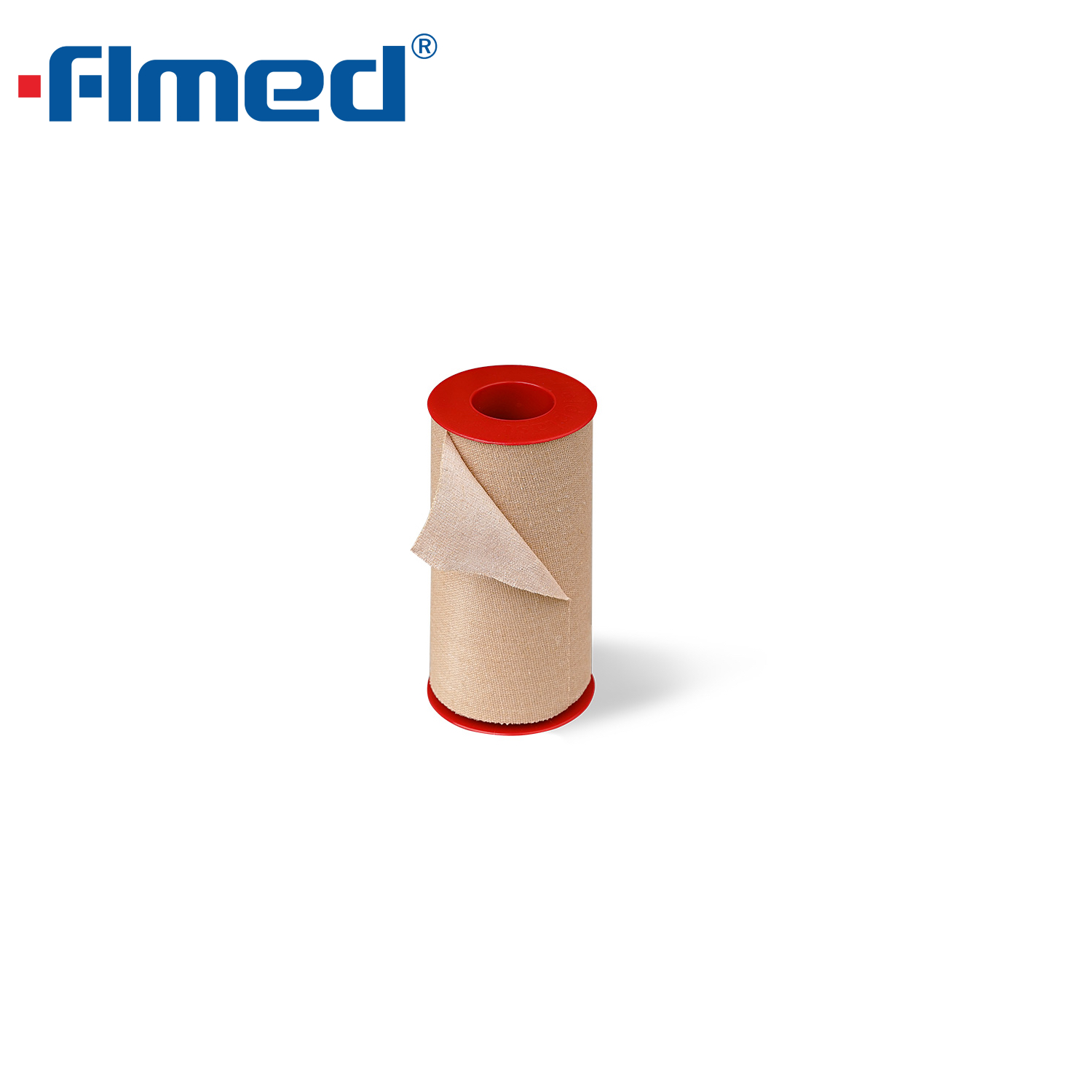
Surgical tape may often go unnoticed, but its role in medical procedures is nothing short of heroic. From securing dressings to providing support and stability, surgical tape plays a crucial role in ensuring successful outcomes. In this article, we will explore the various benefits of surgical tape, discuss the different types available, and delve into the proper techniques for its application and removal. Whether you are a medical professional seeking to enhance your knowledge or a patient curious about the behind-the-scenes of your treatment, understanding the significance of surgical tape is essential. So, let us unravel the untold story of this unsung hero and shed light on its indispensable contributions to the world of medicine.
Benefits of Surgical Tape
Surgical tape is an essential tool in the medical field, offering numerous benefits that aid in the healing process and provide support to patients. This versatile adhesive is commonly used in hospitals, clinics, and even at home for various medical purposes. One of the key benefits of surgical tape is its ability to securely hold dressing and bandages in place, preventing them from shifting or coming off. This ensures that wounds are properly covered and protected, reducing the risk of infection.
In addition to its secure hold, surgical tape is also gentle on the skin. It is designed to adhere to the body without causing irritation or discomfort. This is especially important for patients with sensitive or fragile skin, as it minimizes the chances of causing further damage. The tape is typically made from hypoallergenic materials, making it suitable for individuals with allergies or sensitivities.
Furthermore, surgical tape is highly breathable, allowing air to circulate around the wound. This promotes faster healing by keeping the area dry and reducing the risk of moisture buildup. The breathable nature of the tape also helps to prevent the formation of blisters or maceration, which can occur when the skin is constantly exposed to moisture.
Another advantage of surgical tape is its flexibility and conformability. It can easily adapt to the contours of the body, ensuring a snug fit and optimal support. This makes it ideal for securing dressings on joints or other areas that require flexibility and movement. The tape's ability to conform to the body also helps to minimize the risk of pressure sores or skin damage, as it evenly distributes the pressure applied.
Surgical tape is also known for its durability and longevity. Once applied, it can withstand everyday activities, such as showering or physical movements, without losing its adhesive properties. This reduces the need for frequent dressing changes, saving time and resources. Moreover, the tape is easy to remove without causing pain or leaving residue behind, making it a convenient option for both healthcare professionals and patients.
Types of Surgical Tape
Surgical tape is an essential medical supply that is widely used in various surgical procedures. It is a type of adhesive tape that is specifically designed to hold and secure medical dressings and devices onto the skin. There are several different types of surgical tapes available, each with its own unique characteristics and purposes.
One common type of surgical tape is the paper tape. This type of tape is made from a thin, breathable paper material that is gentle on the skin. Paper tape is often used in situations where the patient has sensitive or fragile skin, as it minimizes the risk of irritation or damage. It is also commonly used on areas of the body that require frequent dressing changes, such as in the case of wounds or incisions.
Another type of surgical tape is the cloth tape. This tape is made from a soft, woven fabric material that is strong and durable. Cloth tape is known for its excellent adhesive properties, ensuring that dressings and devices stay securely in place. It is often used in situations where extra strength and support are required, such as for larger wounds or in orthopedic procedures.
Silk tape is another popular choice in surgical settings. It is made from a silk-like fabric material that is gentle on the skin and provides excellent adhesion. Silk tape is often used in situations where the tape needs to be easily removed without causing pain or discomfort to the patient. It is commonly used in delicate areas, such as around the eyes or on pediatric patients.
In addition to these types, there are also specialized surgical tapes available. For example, waterproof surgical tape is designed to stay intact even when exposed to moisture, making it ideal for use in wet environments or during activities that may cause sweating. Foam surgical tape is another option, which is made from a soft foam material that provides extra cushioning and protection.
Proper Application and Removal Techniques
When it comes to using surgical tape, it is essential to understand the proper application and removal techniques to ensure optimal results and minimize any potential risks. Surgical tape is widely used in medical procedures and wound care, as it provides support and holds dressings in place. To make the most out of this versatile tool, healthcare professionals and patients alike should follow specific guidelines for its application and removal.
Firstly, proper application of surgical tape involves preparing the area before applying it. The skin should be clean and dry, free from any oils, lotions, or debris that may hinder the tape's adhesive properties. Cleaning the skin with a mild soap and water, followed by thorough drying, is recommended. It is also crucial to assess the patient's skin condition and ensure there are no existing allergies or sensitivities to adhesive products.
To apply the surgical tape effectively, start by measuring the required length. Cut the tape to the desired size, allowing for some overlap on either end. Gently press one end of the tape onto the skin and smooth it down, gradually applying tension as it adheres. Avoid stretching the tape excessively, as it may cause discomfort or compromise its effectiveness. Additionally, ensure that the tape is applied evenly and securely, without any wrinkles or air pockets.
Proper removal of surgical tape is equally important to prevent any skin damage or discomfort. Before removing the tape, it is advisable to loosen its edges gently by lifting them. This technique reduces the risk of skin trauma during the removal process. Slowly peel back the tape, moving in the direction of hair growth, to minimize discomfort. If resistance is encountered, it is crucial to stop and seek assistance from a healthcare professional to avoid any potential harm.
To maintain healthy skin and prevent irritation, it is recommended to clean the area after tape removal. Gently cleanse the skin with mild soap and water, pat it dry, and apply a non-irritating moisturizer if needed. Monitoring the skin for any signs of redness, irritation, or allergic reactions is essential, as some individuals may be more sensitive to adhesive products.
Conclusion
Surgical tape is a crucial component in wound management and recovery, offering a range of benefits such as securely holding dressings in place, being gentle on the skin, breathable, flexible, and durable. It is an important tool for medical professionals and patients alike. With various types available, healthcare professionals can choose the most suitable tape for each patient's needs, whether it's paper tape for sensitive skin, cloth tape for extra strength, or specialized tapes for specific situations. Proper application and removal techniques are vital to ensure the tape's effectiveness and minimize risks. This includes preparing the skin, applying the tape evenly and securely, and loosening its edges before removal. By prioritizing the well-being of the skin and using surgical tape correctly, healthcare professionals and patients can enhance wound care and medical procedures, ultimately leading to better patient outcomes.

 English