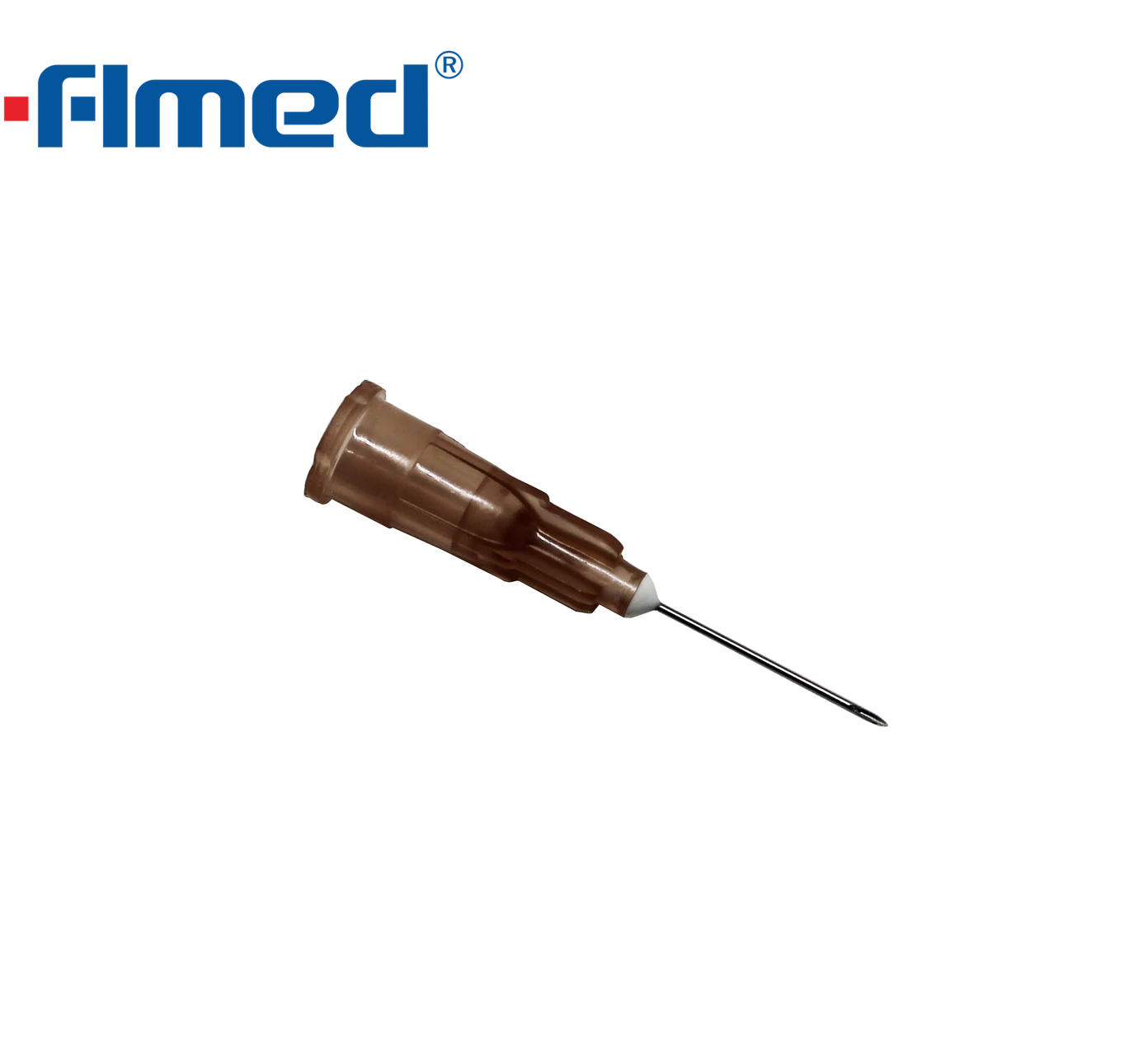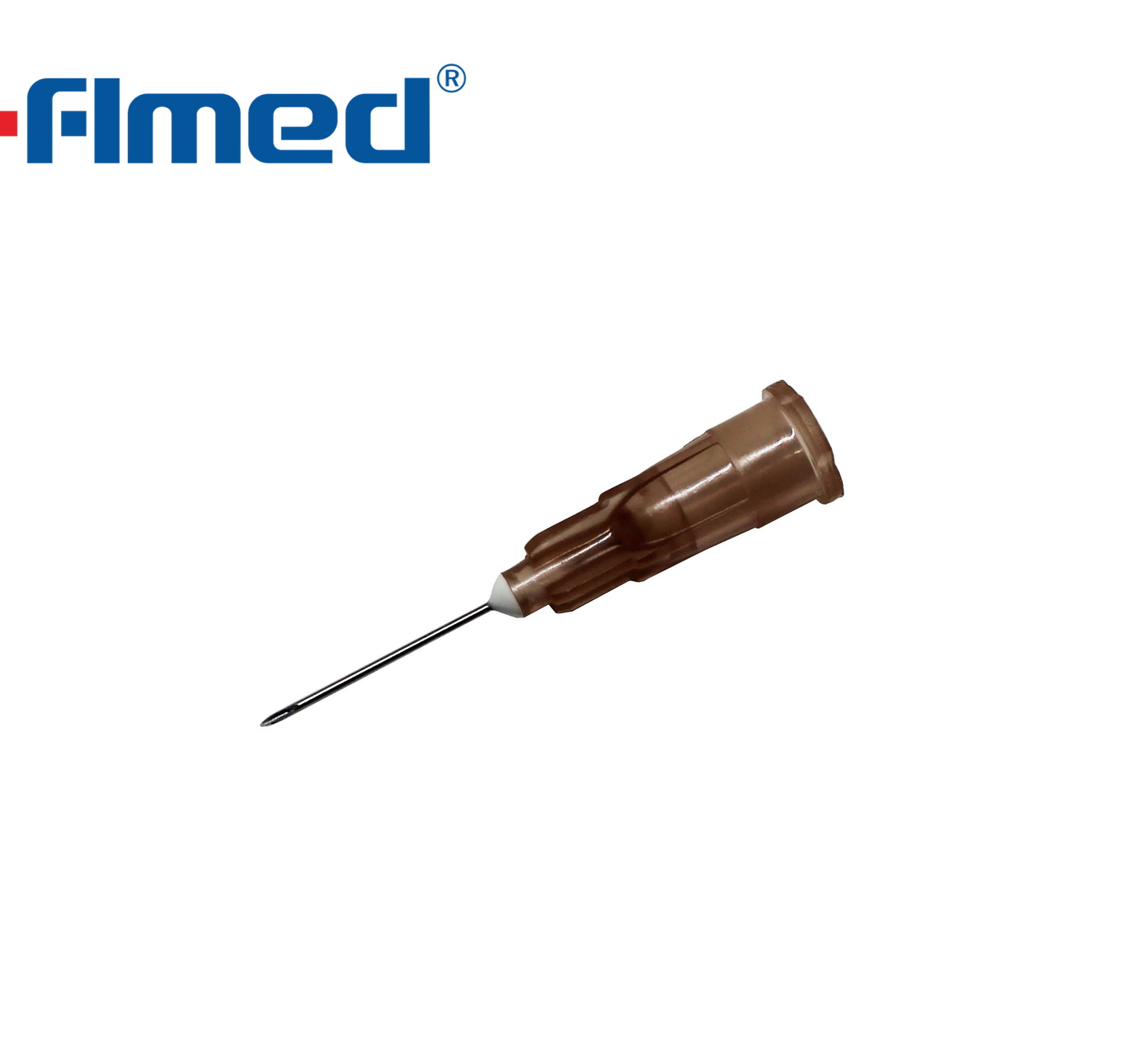
Precision in clinical consumables dictates medication delivery efficacy, pharmacokinetic speed, and patient safety. Hospital procurement teams and clinical directors face a fragmented market of sharps. Selecting incorrect gauges, lengths, or safety mechanisms leads to workflow inefficiencies, increased needlestick injuries, compromised diagnostic samples, and regulatory non-compliance. Medical Needles are essential when therapeutic substances cannot be ingested due to poor gastrointestinal absorption, or when acute conditions demand the rapid systemic delivery of liquids. This guide provides a technical evaluation of sharps, categorizing specific clinical applications, performance dimensions, and the trade-offs facilities must weigh when standardizing inventory across acute and ambulatory care settings.
- Specification Matching is Critical: Needle gauge, length, and bevel design must be precisely matched to the viscosity of the injectate and the target tissue depth (e.g., dermal, subcutaneous, intramuscular, or intravenous).
- Specialty Needles Mitigate Distinct Risks: Applications like ampule aspiration require filter needles to prevent glass particulate injection, while diagnostic procedures demand specialized biopsy or spinal needles.
- Safety Engineering Drives Procurement: Compliance with OSHA and FDA sharps safety mandates requires transitioning to Safety-Engineered Devices (SEDs), balancing upfront unit costs against the long-term liability of needlestick injuries.
- System Compatibility Impacts Efficacy: The interface between needles and syringes (Luer Lock vs. Luer Slip, low dead-space designs) significantly influences dosing accuracy, especially for high-value or low-volume medications.
The Anatomy and Specifications of Medical Needles
Standardizing inventory requires a baseline understanding of how architecture impacts clinical outcomes. Poor selection criteria result in tissue trauma, administration failure, or sub-optimal drug absorption. Clinical staff evaluate the physical dimensions of every sharp before initiating patient contact. The interplay between the outer diameter, the inner lumen, and the cutting edge determines the success of the procedure.
Gauge and Length: The Physics of Flow and Depth
The gauge system operates on an inverse relationship. Smaller gauge numbers indicate larger outer diameters. An 18G sharp features a wide lumen designed for rapid fluid resuscitation or blood administration. A 30G sharp features a microscopic lumen tailored for fine aesthetic work or insulin dosing. Selecting the wrong gauge compromises the procedure. Forcing high-viscosity medications through a high-gauge lumen requires excessive plunger pressure. This causes syringe detachment or tissue damage.
Length selection relies entirely on patient BMI and the intended injection route. Standard adult intramuscular delivery typically requires a 1-inch to 1.5-inch length to bypass the subcutaneous fat layer and penetrate the muscle fascia. Obese patients may require 2-inch lengths for successful intramuscular delivery. Intradermal injections require lengths as short as 3/8-inch to remain within the dermal layers. Flow rate considerations factor heavily into this decision. Shorter, wider lumens maximize flow rates for rapid-delivery requirements, adhering to the basic principles of fluid dynamics.
Standard Gauge and Clinical Application Reference
| Gauge Size | Typical Outer Diameter (mm) | Primary Clinical Application | Flow Characteristic |
| 18G | 1.20 | Blood transfusion, rapid fluid resuscitation | High volume, rapid flow |
| 20G - 22G | 0.90 - 0.70 | Routine venipuncture, thick intramuscular medications | Moderate volume, steady flow |
| 23G - 25G | 0.60 - 0.50 | Standard intramuscular vaccines, pediatric blood draws | Low volume, controlled flow |
| 27G - 30G | 0.40 - 0.30 | Subcutaneous insulin, aesthetic injections, intradermal | Micro-dosing, slow flow |
Bevel Types and Tissue Penetration
The bevel is the angled surface formed at the tip. It creates the sharp point necessary for tissue penetration. Standard bevels feature a long, gradual angle. This design easily slices through skin and muscle with minimal insertion force. Short bevels feature a steeper angle. Clinicians use short bevels for intravenous insertions to reduce the risk of puncturing the opposite wall of the vein. True short bevels are even steeper, often used in specialized nerve blocks.
Bevel design directly impacts patient comfort and tissue trauma. A well-manufactured bevel parts the tissue fibers rather than tearing them. This minimizes core tissue removal during insertion. Poorly machined bevels or incorrect bevel selection cause coring. Coring occurs when the sharp removes a tiny cylinder of tissue or rubber stopper material. This creates a risk of foreign body injection and increases post-injection pain for the patient.
Primary Clinical Applications for Hypodermic Needles
Evaluating standard hypodermic options requires analyzing routine hospital applications. These range from acute interventions in the emergency department to preventative care in outpatient clinics. Each environment demands specific performance characteristics from clinical consumables.
Intramuscular (IM) and Subcutaneous (SubQ) Injections
Intramuscular injections require penetrating the epidermis, dermis, and subcutaneous fat to reach the highly vascularized muscle tissue. Clinicians typically select 22G to 25G sizes for this route. The muscle layer absorbs medications rapidly due to its dense blood supply. This route handles mass vaccination campaigns, routine immunizations, and the delivery of certain antibiotics. The sharp must be rigid enough to penetrate deep tissue without bending.
Subcutaneous injections target the fatty layer just below the skin. This layer has fewer blood vessels, resulting in a slower, sustained absorption rate. Clinicians use short, fine sizes ranging from 25G to 30G. This route is standard for medications like heparin or insulin. Because patients often self-administer subcutaneous injections, minimizing insertion pain through ultra-thin wall technology and silicone lubrication remains a primary manufacturing focus.
Intravenous (IV) Administration and Blood Draw
Selecting sharps for venipuncture requires balancing rapid delivery or extraction with vein preservation. Standard blood draws typically utilize 21G or 22G sizes. Using a gauge that is too small for a blood draw creates high shear stress on the red blood cells. This causes hemolysis, which ruins the diagnostic sample and requires a redraw. Using a gauge that is too large causes unnecessary vein trauma and increases the risk of hematoma.
Butterfly designs, also known as winged infusion sets, play a massive role in venipuncture. They feature flexible plastic wings and a short length of tubing. Clinicians use them for fragile, rolling, or pediatric veins. The wings provide a secure grip for a shallow insertion angle. The tubing isolates the insertion site from the movement of the syringe or vacuum tube, preventing mechanical trauma to the vein wall during the procedure.
Outpatient, Home-Care, and Chronic Disease Management
Ambulatory pharmacies and discharge planners must equip patients for safe self-administration at home, at work, or while traveling. This requires specific procurement considerations. Pen needles and auto-injector compatible designs dominate the management of chronic conditions like severe allergies, rheumatoid arthritis, and diabetes. These devices must be foolproof. They require minimal assembly and often feature hidden or shielded tips to reduce patient anxiety and prevent accidental sticks during disposal.
Aesthetic vs. Acute Clinical Dosing Precision
High-volume acute care needs differ wildly from high-precision aesthetic or specialized clinical applications. In an emergency room, rapid volume replacement is the priority. In dermatology or plastic surgery, micro-dosing is the goal. Injecting neurotoxins or dermal fillers requires 30G to 32G sizes to prevent bruising and ensure the product is placed exactly within the targeted dermal layer. These specialized applications demand ultra-sharp, multi-beveled tips that glide through tissue with zero drag.
![Medical Needles for Clinical Applications]()
Specialty Medical Needles and Their Hospital Use Cases
Standard hypodermic options cannot fulfill every clinical requirement. Certain procedures pose distinct clinical risks that demand purpose-built designs. Assessing these specialty devices involves evaluating their unique mechanisms and the specific protocols governing their use.
Filter Needles: Preventing Particulate Contamination
Drawing medications from glass ampules presents a severe risk of particulate contamination. Breaking the ampule neck generates microscopic glass shards. If drawn into the syringe, these shards cause phlebitis, granulomas, or micro-emboli when injected into the patient. Filter devices are mandatory for this use case.
These specialized devices feature an integrated 5-micron glass filter within the hub. The filter traps particulates during aspiration. Protocol enforcement dictates strict adherence to the following steps:
- Attach the filter device to the syringe using a sterile technique.
- Aspirate the medication from the freshly opened glass ampule.
- Remove the filter device and discard it in an approved sharps container.
- Attach a new, standard hypodermic sharp to the syringe.
- Administer the medication to the patient.
Injecting through the filter device pushes the trapped glass shards directly into the patient's tissue or bloodstream.
Spinal and Epidural Needles: Navigating the Dura
Spinal and epidural procedures require navigating the complex anatomy of the spinal column. Design differences in the bevel are paramount. Standard cutting bevels, known as Quincke designs, are sharp and easily penetrate the dura mater. However, they cut the dural fibers, which leads to cerebrospinal fluid leakage and post-dural puncture headaches (PDPH).
Pencil-point designs separate the dural fibers rather than cutting them. When the sharp is removed, the fibers close more effectively, significantly reducing the risk of PDPH. Furthermore, these devices integrate a stylet. The stylet is a solid metal core that sits flush with the bevel. It prevents tissue coring during insertion through the dense ligaments of the spinal canal. Once the target space is reached, the clinician removes the stylet to inject the anesthetic.
Biopsy and Aspiration Needles: Diagnostic Extraction
Diagnostic extraction requires highly specialized architecture. Core biopsy devices, such as the Tru-Cut design, feature an outer cannula and an inner stylet with a sample notch. They slice a solid core of intact tissue from organs like the liver or breast. This intact tissue architecture is necessary for accurate histological diagnosis.
Fine Needle Aspiration (FNA) devices use smaller gauges to extract cellular suspensions rather than solid cores. They are less invasive and handle thyroid or lymph node evaluations. Many of these diagnostic devices feature echogenic designs. Manufacturers etch microscopic dimples into the metal tip. These dimples reflect ultrasound waves, providing enhanced visibility and precise guidance under ultrasound imaging.
Evaluating Syringe and Needle Combinations
The sharp does not function in isolation. The syringe interface dictates overall reliability, dosing accuracy, and waste reduction. Procurement teams must evaluate the entire delivery system to ensure clinical efficacy.
Syringe Connection Interface Comparison
| Connection Type | Mechanism | Pressure Rating | Primary Clinical Use |
| Luer Lock | Threaded twist-on mechanism | High pressure | Viscous medications, hazardous drugs, central lines |
| Luer Slip | Friction-fit push-on mechanism | Low pressure | Routine vaccinations, rapid assembly scenarios |
| Eccentric Luer Slip | Off-center friction-fit | Low pressure | Shallow angle venipuncture, surface-level injections |
2-Part vs. 3-Part Syringes
Syringes come in two primary configurations. A 2-part syringe consists solely of a polypropylene barrel and a polyethylene plunger. A 3-part syringe includes a barrel, a plunger, and an elastomer tip on the plunger.
The trade-offs are distinct. The 3-part configuration offers a smoother glide. This allows for precise dosing and controlled injection speeds. However, the elastomer tip requires silicone oil lubrication. Certain sensitive medications, particularly complex biologics, interact with silicone oil or the rubber components, causing protein aggregation. In these specific cases, a 2-part syringe is required because it eliminates silicone and rubber interactions entirely.
Luer Lock vs. Luer Slip Connections
The connection interface secures the hub to the barrel. The Luer Lock features a threaded connection. The clinician twists the hub onto the barrel, locking it in place. This provides maximum security for high-pressure injections or when administering thick, viscous medications. It prevents accidental detachment, which is a massive safety requirement when handling hazardous drugs like chemotherapeutics.
The Luer Slip relies on a simple friction fit. The clinician pushes the hub onto the barrel tip. This allows for rapid assembly in low-pressure scenarios. It is common in routine outpatient settings or mass vaccination clinics where speed is prioritized and the risk of detachment is minimal.
Dead Space Considerations in High-Value Medications
Dead space refers to the residual volume of medication left in the hub and the barrel tip after the plunger is fully depressed. Standard combinations have significant dead space. This results in wasted medication with every injection.
Low Dead Space (LDS) designs minimize this empty space. The hub is engineered to fit tightly against the plunger tip. The financial and clinical impact of LDS designs is substantial. Minimizing residual medication maximizes the dose yield per vial. This is absolutely necessary for expensive biologics, fertility treatments, and multi-dose vaccine vials where extracting an extra dose yields massive facility-wide savings.
Safety, Compliance, and Implementation Risks
Navigating the regulatory landscape and the physical risks of sharps deployment is a primary responsibility for clinical directors. Unsafe practices lead to severe occupational hazards and heavy regulatory fines.
FDA Sharps Safety and OSHA Compliance
The regulatory baseline in the United States is established by the Needlestick Safety and Prevention Act, enforced by OSHA. This mandate requires healthcare facilities to identify, evaluate, and implement safer medical devices to eliminate or minimize occupational exposure to bloodborne pathogens.
Evaluating vendor compliance with FDA standards for medical devices is non-negotiable. Facilities must ensure safety across all environments, including clinical wards, home-care settings, and travel environments. Procurement teams must maintain strict documentation proving that their selected inventory meets these stringent safety guidelines to avoid compliance penalties during audits.
Safety-Engineered Devices (SEDs): Retractable vs. Shielding Mechanisms
Compliance typically requires transitioning to Safety-Engineered Devices (SEDs). These devices feature active or passive safety mechanisms. Active mechanisms require the clinician to manually engage the safety feature. Passive mechanisms engage automatically during or immediately after the injection.
Retractable mechanisms use a spring-loaded design. Once the injection is complete, the clinician applies extra pressure to the plunger, and the sharp retracts directly into the barrel. Shielding mechanisms use a hinged plastic arm. The clinician flips the shield over the tip using a single-handed technique against a hard surface. Facilities evaluate the ergonomic impact on clinical staff. They also assess the reliability of the locking mechanism, especially for non-clinical users self-administering medications at home.
Supply Chain Scalability and Standardization Trade-offs
Hospital supply chains face the constant risk of SKU proliferation. Stocking every possible gauge, length, and bevel combination creates massive logistical overhead. However, over-standardizing leaves clinicians without the specific tools required for complex procedures.
The mitigation strategy requires conducting a facility-wide sharps audit. Supply chain managers collaborate with department heads to consolidate redundant sizes without compromising clinical capability. Balancing the need for highly specific tools against the efficiency of standardizing inventory ensures supply chain scalability and reduces unnecessary expenditure.
Conclusion
The procurement of clinical sharps extends far beyond basic commodity purchasing. It is a fundamental clinical risk management decision. Matching the specific architecture to the clinical application ensures dosing accuracy, optimal drug absorption, and patient safety. Ignoring these technical specifications leads to workflow disruption and increased liability. Facilities prioritize vendors that offer a comprehensive portfolio. This portfolio includes standard hypodermic options, specialty devices, and robust Safety-Engineered Devices (SEDs). Reliable supply chain transparency and regulatory compliance are mandatory baseline requirements for any vendor partnership.
Take the following actions to optimize your facility's inventory:
- Initiate a comprehensive sharps utilization audit across all clinical departments to identify redundant SKUs.
- Request low dead-space and SED samples from vendors for hands-on clinical evaluation by nursing staff.
- Review vendor compliance documentation rigorously against current OSHA and FDA standards.
- Update internal training protocols to ensure staff are correctly utilizing filter devices and safety mechanisms.
FAQ
Q: Why are medical needles used instead of oral medications in certain scenarios?
A: Needles are utilized when a medication cannot be ingested because stomach acid would destroy it or the gastrointestinal tract absorbs it poorly. They are also required when a patient needs the rapid, systemic delivery of liquids and therapeutics for immediate clinical effect.
Q: What is the difference between a hypodermic needle and a filter needle?
A: A hypodermic needle injects fluids into or extracts fluids from the body. A filter needle contains a small internal filter, usually 5 microns. Clinicians use it exclusively to draw medication from a glass ampule to catch glass shards. You must never use it to inject a patient.
Q: How do you choose the correct gauge for medical needles?
A: Gauge selection depends on medication viscosity and the injection site. Lower gauge numbers, like 18G, have wider diameters for thick fluids or rapid blood draws. Higher gauge numbers, ranging from 27G to 30G, are narrower. Clinicians use them for thin fluids to minimize patient discomfort during subcutaneous injections.
Q: What are low dead space needles used for?
A: Low dead space designs minimize the empty space between the syringe hub and the needle tip. They prevent medication waste, ensuring the maximum possible dose is delivered. This efficiency is absolutely necessary for extracting full yields from expensive biologics and multi-dose vaccine vials.
Q: Why are Luer Lock syringes preferred in certain clinical applications?
A: Luer Lock connections feature a threaded design that securely locks the hub to the syringe barrel. This mechanism is essential for high-pressure injections, administering thick medications, or handling hazardous drugs where an accidental detachment would pose severe occupational safety risks.
Q: What makes a needle compliant with sharps safety regulations?
A: Compliance requires Safety-Engineered Devices (SEDs) featuring built-in mechanisms, such as retractable shafts or hinged protective shields. Clinicians activate these mechanisms immediately after use with one hand. This prevents accidental needlestick injuries in both clinical wards and home-care settings.

 English