Introduction
Adjusting to life with supplemental oxygen often feels overwhelming at first. You might sit in your living room, staring at the small dial on your newly delivered concentrator. The numbers can be confusing. What do they actually mean? You are certainly not alone in this frustration. Finding the exact settings for your respiratory equipment remains a critical challenge for many patients transitioning to home care.
Setting the correct flow rate is the foundation of effective treatment. It ensures physical comfort while warding off unpleasant side effects. Dial the flow too low, and your body starves for vital air. Crank it too high, and you risk severe nasal dryness, painful nosebleeds, or dangerous physiological complications.
This guide demystifies those numbers. We break down standard parameters, explore high-flow alternatives, and explain how to calculate your delivered concentration. Specifically, you will learn how selecting the right accessories—from a properly fitted mask to kink-free tubing—can drastically improve your oxygen therapy experience.
Medical Disclaimer: Oxygen is a strictly regulated prescription medication. The insights provided here are for educational purposes. Always defer to your healthcare provider for specific instructions regarding your prescribed settings.
Industry Shift: The Rise of Precision Home Care
Before diving into the technical numbers, it helps to understand recent respiratory care trends. Industry data shows a massive shift toward personalized, home-based management. As chronic respiratory conditions rise globally, patients demand hospital-grade efficacy combined with everyday comfort. Manufacturers now focus heavily on advanced fluid dynamics and softer, medical-grade materials. This evolution means modern delivery systems are far more efficient at maintaining precise, uninterrupted flow rates than older models, making proper component selection more critical than ever.
Key Takeaways
Standard Flow Rates: A standard delivery device safely administers gas strictly between 1 to 6 Liters Per Minute.
The 4 Percent Rule: For every 1 Liter Per Minute increase, the fractional concentration of inspired oxygen delivered to your lungs rises by roughly 4 percent.
High-Flow Alternatives: If respiratory distress demands more than 6 Liters Per Minute, specialized systems or distinct medical masks become mandatory.
Equipment Matters: Pairing your device with crush-resistant tubing and a bubble humidifier prevents severe mucosal drying.
Prescription is Key: Never arbitrarily adjust your settings without direct medical consultation.
Understanding the Basics: Core Mechanics
How the Device Works
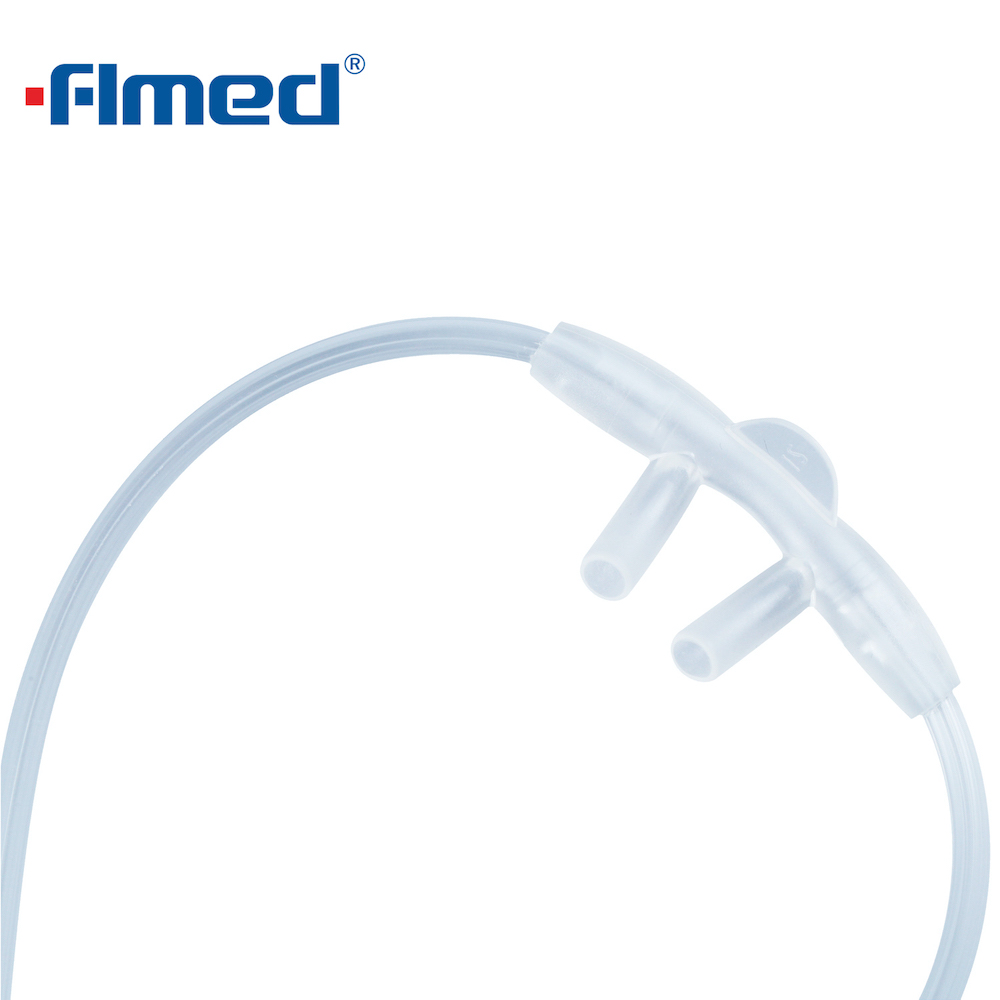
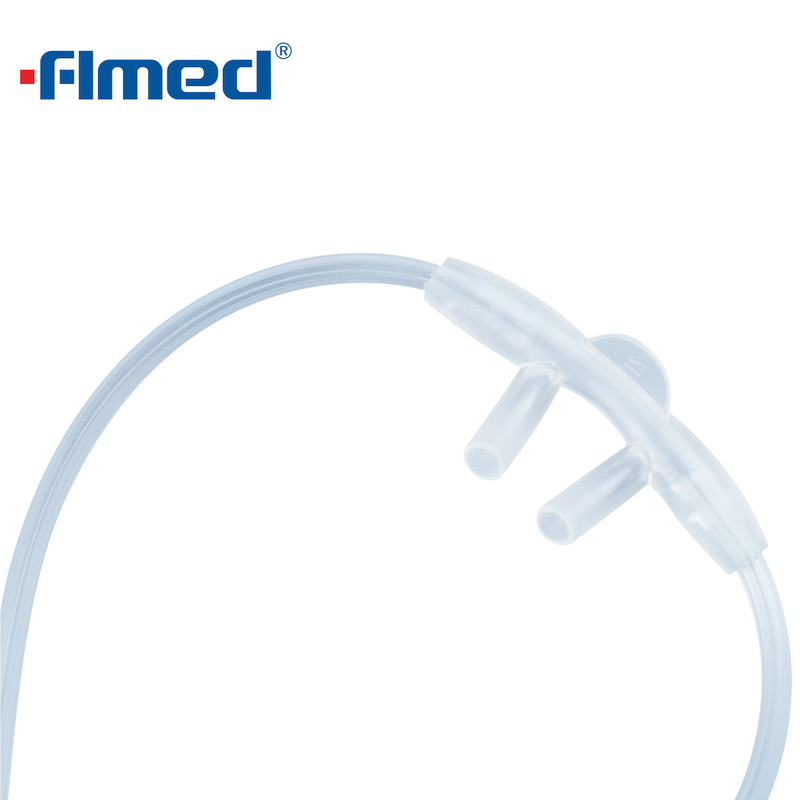
At its core, the primary device for low-flow support is elegantly simple. A lightweight, flexible plastic tube bifurcates into two small, curved prongs. These prongs rest gently inside your nostrils. The remaining tubing loops over the ears and secures beneath the chin, connecting directly to a stationary concentrator or portable cylinder.
When the machine pushes gas through the device, it does not shoot pure oxygen directly into your lungs. Instead, this continuous stream blends with ambient room air as you inhale naturally. Normal room air contains approximately 21 percent oxygen. This blending process enriches every breath, safely raising your overall blood saturation to a medically acceptable baseline.
Standard vs. Adult Sizes
Achieving a proper anatomical fit dictates both clinical efficacy and daily comfort. Manufacturers design these tools in various sizes to accommodate distinct facial anatomies. A properly fitted adult cannula differs significantly from pediatric models. The spacing between the two prongs is intentionally widened to align with a mature septum.
Furthermore, the prongs feature a specific curvature. This design follows the natural downward slope of nasal passages, preventing the plastic from harshly scraping sensitive mucosal linings. Using a size too small restricts airflow. Conversely, a size too large causes stretching and eventual skin breakdown. Selecting the right dimensions ensures your treatment remains silent and efficient.
The Standard Flow Rate: The 1 to 6 Sweet Spot
Defining the Limits
Standard delivery systems fall under the category of low-flow devices. Clinical guidelines restrict their usage to a flow rate strictly between 1 and 6 Liters Per Minute. This specific range serves as the sweet spot for managing stable conditions like chronic obstructive pulmonary disease, mild pneumonia, or routine postoperative recovery.
Attempting to push the flow above 6 Liters Per Minute on a standard nasal oxygen cannula yields diminishing returns. The human upper airway possesses a limited anatomical reservoir. Once this small space fills, any excess volume simply bounces off the nasal walls and escapes uselessly into the room. Forcing high-velocity air through narrow prongs transforms a gentle breeze into a harsh wind tunnel. This turbulence rapidly strips away natural moisture, guaranteeing painful scabbing and sinus pressure without providing additional respiratory benefit.
Calculating Concentration
How does flow rate correlate to concentration? Healthcare providers rely on a dependable calculation known as the Rule of 4. For every single liter per minute increase, the inhaled concentration rises by roughly 4 percent above the room air baseline. The breakdown is as follows:
| Oxygen Flow Rate | Estimated Oxygen Concentration |
| Room Air at 0 Flow | ~ 21% |
| 1 Liter Per Minute | ~ 24% |
| 2 Liters Per Minute | ~ 28% |
| 3 Liters Per Minute | ~ 32% |
| 4 Liters Per Minute | ~ 36% |
| 5 Liters Per Minute | ~ 40% |
| 6 Liters Per Minute | ~ 44% |
![Nasal Oxygen Cannula Flow Rate Guide]()
High-Flow Alternatives: When Standard Support Fails
Breaking the Volume Barrier
There are acute medical scenarios where a standard flow falls vastly short. Severe respiratory distress or advanced pulmonary fibrosis requires more robust support. In these critical instances, standard equipment is abandoned for advanced High-Flow systems.
These specialized systems utilize significantly thicker, softer prongs that occupy about half the nostril space to create a tighter seal. Crucially, they pair with an active heated humidifier. The machine warms the gas to exact body temperature and saturates it with 100 percent relative humidity. This meticulous conditioning protects delicate lung tissues from structural damage.
Advanced Flow Dynamics
Because the incoming air is perfectly heated and moisturized, these systems safely deliver flow rates ranging from 10 up to a staggering 60 Liters Per Minute. The sheer velocity generates a mild continuous positive airway pressure effect. This slight backpressure keeps tiny, fragile air sacs open, drastically reducing the overall work of breathing. Consequently, high-flow therapy is typically reserved for intensive care units or for safely transitioning patients off mechanical ventilators.
Humidification: The 4 Liter Threshold
Managing Moisture
A frequent question among new patients is whether they need a humidifier bottle. The answer depends entirely on your prescription. Flow rates of 1 to 3 Liters Per Minute generally do not require extra humidification. At these lower volumes, your nose efficiently warms and moisturizes the incoming mixture.
However, once your prescription hits the 4 Liter threshold, the sheer volume of dry gas overwhelms your natural moisture production. For sustained higher flows, a bubble humidifier becomes mandatory. This small plastic jar forces the dry gas to bubble through distilled water. It picks up essential moisture before traveling through the tube, acting as your primary defense against nosebleeds and mucus plugs.
Protecting the Mucosa
Even with a humidifier, continuous airflow causes localized irritation. Respiratory therapists highly recommend using sterile, over-the-counter saline sprays throughout the day. If the skin inside your nostrils cracks, be incredibly cautious about topical treatments. Never use petroleum-based products inside the nose while utilizing supplemental gas. Oxygen is a powerful oxidizer, creating a severe flammability hazard. Rely exclusively on water-based lubricants.
Warning Signs of Incorrect Calibration
The Dangers of Hypoxia
When your prescribed settings fail to meet your metabolic demands, your tissues starve for air. Because this state develops gradually, you might not immediately recognize the danger. Key indicators include persistent shortness of breath even while resting, sudden cognitive confusion, or uncharacteristic restlessness.
You may also notice a bluish discoloration of the lips or nail beds. Chronic fatigue and severe morning headaches are classic signs that nocturnal levels are dipping too low. If you experience these symptoms, utilize a pulse oximeter to check your saturation and contact your physician immediately.
The Risk of Toxicity
Conversely, it is a common misconception that more is always better. Arbitrarily turning up your dial can be incredibly dangerous. In healthy bodies, the brain monitors carbon dioxide levels to trigger the urge to breathe. Many patients with chronic lung issues rely instead on low oxygen levels to trigger their breathing reflex. Flooding their system suppresses this natural drive.
This suppression leads to hypoventilation and a toxic buildup of carbon dioxide. Warning signs of excessive flow include severe burning in the nasal passages, throbbing frontal headaches, and overwhelming daytime lethargy.
Engineering Your Setup: Tubing and Accessories
Prioritizing Crush-Resistant Designs
The success of your treatment relies heavily on the conduit carrying the gas. Selecting premium oxygen tubing is non-negotiable. From an engineering perspective, you must prioritize tubing featuring a specialized multi-channel interior, often called a star-lumen design. Even if the tube is accidentally stepped on or trapped under a chair leg, the internal channels remain open. This crush-resistant architecture prevents a dangerous drop in your flow rate.
Pay strict attention to length. Standard setups often utilize a 7-foot tube for stationary use. While it is tempting to string together massive extension tubes to roam freely, medical guidelines dictate that standard tubing should generally not exceed 50 feet. Pushing gas over excessive distances creates friction and pressure loss. A 3 Liter setting at the machine might only deliver a fraction of that volume to your nose if the hose is too long.
Material Selection for Comfort
Physical comfort is the biggest hurdle to therapy compliance. Standard plastics are highly cost-effective but tend to become rigid over time. The constant friction over the ears inevitably leads to painful pressure ulcers.
Consider investing in ultra-soft, medical-grade PVC or silicone-based devices. These premium alternatives are crafted from heat-sensitive materials that soften further upon contact with your body heat. They dramatically reduce friction, eliminate the need for bulky foam ear cushions, and ensure your prescribed therapy remains tolerable around the clock.
Essential Safety and Maintenance Protocols
Strict Replacement Schedules
Medical equipment naturally degrades. It can quickly become a breeding ground for harmful bacteria if neglected. Establish a strict replacement schedule to defend against recurring respiratory infections. Replace the nasal device itself every 2 to 4 weeks, or immediately following recovery from a chest infection. Swap out the longer extension tubing every 3 to 6 months, or sooner if the plastic becomes stiff or opaque.
Combustion Hazards
Higher flow rates inherently create a more oxygen-enriched environment around your face and clothing. The gas itself is not explosive, but it is a potent oxidizer that drastically accelerates combustion. Enforce strict no-smoking and no-open-flames rules within your home. Maintain a minimum distance of 10 feet from gas stoves, lit candles, and sparking electrical appliances while your machine operates.
Conclusion
Understanding the mechanics of your respiratory equipment is the first step toward reclaiming your quality of life. The ideal flow rate for a standard delivery system rests firmly between 1 and 6 Liters Per Minute. This optimal range provides essential support without overwhelming your airway's natural moisture barrier. When medical necessity demands higher volumes, specialized high-flow systems step in to safely handle the load.
The absolute best setting is the exact number prescribed by your physician, meticulously calculated based on your unique blood saturation levels. Never adjust these vital settings without professional medical clearance.
To ensure your daily treatment is comfortable and seamless, always invest in reliable, clinical-grade equipment. Visit Forlong Medical to browse our selection of premium adult cannulas, crush-resistant star-lumen tubing, and comprehensive respiratory accessories to support your journey toward better breathing today.
FAQ
Can I use a standard setup at 10 liters per minute?
No. Standard low-flow devices are mechanically engineered to max out at 6 Liters Per Minute. Attempting to push higher volumes through a standard setup will not effectively increase your blood oxygen levels. The excess gas violently bounces off your nasal passages and escapes into the room, causing severe mucosal dryness and potential tissue damage.
How do I know if my equipment is working properly?
You should be able to hear a faint, consistent hissing sound emanating from the prongs. If you hold the device near the back of your hand, you will feel a steady breeze of air. However, sensory checks are not foolproof. The only definitive way to ensure your equipment is delivering adequate support is to monitor your blood saturation using a reliable home pulse oximeter.
Does the length of my tubing affect the delivery volume?
Yes, it absolutely can. If your tubing exceeds 50 feet in total length, internal friction causes a drop in pressure. This means the volume reaching your nose may be significantly lower than the number displayed on your concentrator's dial. Always use high-quality, crush-proof materials and keep the length as short as practically possible for your daily mobility needs.
What is the difference between adult and pediatric models?
The primary distinctions lie in the size, curvature, and spacing of the nasal prongs, as well as the internal diameter of the tubing. Using an adult-sized device on a child is highly ineffective, as the prongs will not fit securely. Conversely, attempting to use a pediatric size on a fully grown adult will pinch the septum painfully, restrict the prescribed volume of gas, and rapidly cause severe skin irritation.
Should I turn up my dial if I feel out of breath?
You should never adjust your prescribed flow rate without consulting your healthcare provider first. A sudden feeling of breathlessness could stem from a variety of issues, including a flare-up of your underlying lung condition or acute anxiety. Indiscriminately turning up the dial can suppress your natural drive to breathe or mask a severe medical emergency that requires immediate hospital intervention.
Can flow rate affect my sleep quality?
Absolutely. If your nocturnal flow rate is too low, you may experience frequent awakenings, night sweats, and severe morning headaches due to oxygen deprivation. Conversely, if the flow is too high and lacks proper humidification, the resulting severe nasal dryness and throat irritation will continuously disrupt your sleep cycle. Always have your physician conduct an overnight oximetry test to determine your exact nighttime requirements.
Why does my nose bleed at higher flow rates?
Continuous high-velocity airflow acts like a harsh wind tunnel inside your nasal cavity, rapidly stripping away the mucosal lining's natural moisture. Once this delicate tissue dries out completely, it cracks and bleeds easily. This is exactly why adding a bubble humidifier is strictly required for any flow rate exceeding 4 Liters Per Minute.

 English