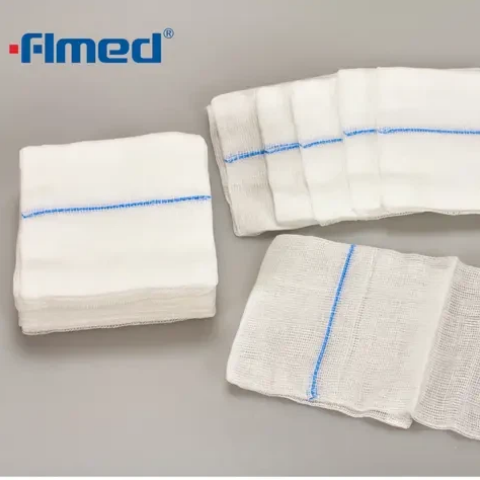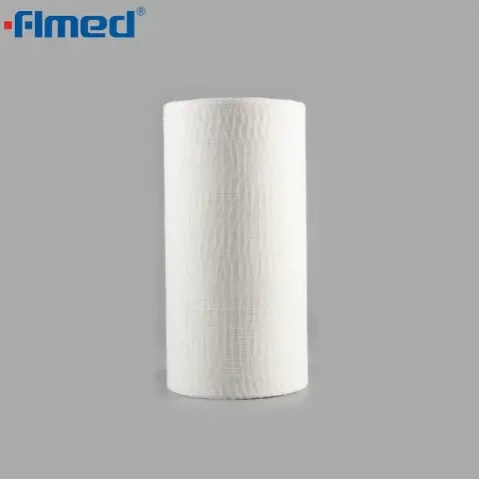
A small kitchen cut, a post-operative dressing change, or a deeper wound that needs packing—why does the same material appear in each of these situations? The answer lies in the simple but essential role of Medical Gauze in wound management. Although modern wound care offers advanced dressings and high-tech materials, medical gauze remains one of the most trusted and widely used solutions across hospitals, clinics, and home care settings. Understanding what it truly is, what it does well, and where it is sometimes misused helps buyers and healthcare providers make smarter, safer decisions.
What Counts as “Medical Gauze”?
A Simple Definition You Can Repeat
Medical gauze is a lightweight, breathable dressing material designed specifically for clinical use. It is typically made from high-quality cotton fibers and manufactured to ensure absorbency, softness, and safety when in contact with skin and wounds. Unlike ordinary fabric, medical gauze is produced under controlled conditions to meet hygiene and quality standards required in healthcare environments.
Its open structure allows air circulation while absorbing fluids such as blood or wound exudate. That balance between absorbency and breathability is what makes it so versatile. Whether used as a primary dressing or as a secondary layer, gauze supports wound protection without sealing off the area completely.
Forlong Medical, established in 2010, is a professional supplier of high-quality medical disposables. The company offers a comprehensive range of surgical and wound care products, including medical gauze formats such as gauze swabs, gauze rolls, gauze bandages, and lap sponges. With a focus on reliability and consistent supply, Forlong Medical supports healthcare institutions and distributors worldwide.
Woven vs Non-Woven in Plain Language
Not all gauze is the same. The two most common structures are woven and non-woven.
Woven gauze is created by interlacing cotton threads in a traditional grid-like pattern. This structure gives it strength and durability, making it suitable for cleaning wounds and absorbing moderate to heavy fluids. However, depending on quality, woven gauze can sometimes produce lint if not manufactured carefully.
Non-woven gauze is made by bonding fibers together without weaving. It often feels softer and produces less lint. This can be especially helpful when cleaning delicate wound surfaces.
The key difference for buyers is not technical complexity, but application. High-quality woven gauze works well for general dressing and absorption. Non-woven options may be preferred where minimal fiber shedding is important. Forlong Medical provides carefully manufactured gauze products using medical-grade raw materials and modern production facilities to ensure consistent performance and low lint levels.
What Medical Gauze Is Designed to Do
Medical gauze has remained essential because it performs three core functions effectively and reliably.
Absorb Fluids Without Sealing the Wound
One of the most important roles of gauze is fluid absorption. Fresh wounds often release blood or exudate during early healing stages. Gauze absorbs these fluids while allowing airflow, which helps maintain a balanced wound environment.
Unlike fully occlusive dressings, gauze does not trap moisture completely. This makes it suitable for wounds that require drainage monitoring. Its absorbent capacity can vary depending on ply and thickness, allowing healthcare providers to select the appropriate level for each situation.
Protect the Wound Surface from Friction and Debris
Gauze acts as a physical barrier between the wound and the external environment. It helps prevent contamination from dust, dirt, or friction caused by clothing movement.
For example, a gauze swab placed over a finger cut protects the wound from daily activities. A gauze roll wrapped around an elbow shields the area from bending friction. This protective layer supports healing while maintaining comfort.
Help Secure Other Dressings in Place
Medical gauze often serves as a secondary dressing. In many cases, a non-adherent layer is placed directly over the wound, and gauze is then used to secure and reinforce it.
A gauze roll can wrap around a limb to hold a primary dressing in position. Gauze bandages provide additional stability, especially around joints or curved areas. This flexibility makes gauze not only a wound contact material but also a structural support in dressing systems.
Sterile vs Non-Sterile: The Decision Most People Get Wrong
Choosing between sterile and non-sterile gauze is one of the most important decisions in wound care.
When Sterile Matters
If the gauze will directly contact an open wound, sterile products are strongly recommended. Sterile gauze reduces the risk of introducing microorganisms into the wound site.
Post-surgical wounds, deep cuts, or wounds with higher infection risk should always be treated with sterile gauze. For clinics and hospitals, maintaining sterile supply consistency is essential for patient safety.
When Non-Sterile Is Acceptable
Non-sterile gauze can be used for tasks such as general cleaning of intact skin, padding, or securing dressings that are already protected by a sterile primary layer.
A simple practical rule applies: if it touches an open wound directly, default to sterile. If it is used as an external support layer, non-sterile may be acceptable depending on protocols.
Forlong Medical offers both sterile and non-sterile options across its gauze swabs and gauze roll formats, helping distributors and healthcare facilities match their supply to real clinical needs.

Gauze Swab vs Gauze Roll: Why the Format Changes the Outcome
The material may be similar, but the format determines how it performs in real-life applications.
Gauze Swab: Targeted Coverage and Cleaning
Gauze swabs are square or rectangular pieces designed for precision. They are commonly used to clean wounds, absorb fluids in small areas, or cover minor injuries.
For example, a small cut on a finger requires a compact swab that can be secured easily with tape. In clinical procedures, gauze swabs are used to gently wipe and absorb during minor treatments.
Because they are pre-cut and easy to handle, gauze swabs save time and reduce material waste.
Gauze Roll: Wrapping and Pressure Support
Gauze rolls are long strips that can be wrapped around limbs or larger body areas. They provide flexibility and adjustable tension.
A gauze roll is ideal for wrapping an elbow, knee, or scalp area. It can also provide light pressure to help control minor bleeding. When combined with a primary dressing, gauze rolls stabilize the entire structure.
Choosing between swab and roll is not about quality, but about function. Swabs are precise and compact. Rolls are adaptable and supportive. Forlong Medical supplies both formats to ensure buyers can cover all routine wound care needs.
Quick “Which Gauze Do I Need?” Cheat Sheet
Below is a practical overview to help identify the right format quickly.
Situation | Recommended Format | Sterile? | Why It Works |
Small cut on finger | Gauze swab | Yes | Precise coverage and absorption |
Draining wound | Gauze swab (multi-layer) | Yes | Absorbs fluid while allowing airflow |
Burn cover | Gauze swab or roll | Yes | Protects surface without sealing completely |
Padding blister | Gauze roll | No/Yes depending on wound | Flexible cushioning |
Securing primary dressing | Gauze roll or bandage | No/Yes depending on contact | Stabilizes and holds in place |
This simple comparison helps healthcare providers, distributors, and first-aid kit planners make faster, more confident decisions.
What to Look for in Quality Medical Gauze
Not all gauze performs equally. Quality affects patient comfort, clinical efficiency, and overall satisfaction.
Absorbency and Low Linting
High absorbency ensures effective fluid control. Low linting reduces the risk of fiber residue in wounds. Poor-quality gauze may shed fibers during cleaning, which can complicate healing.
Forlong Medical manufactures gauze using medical-grade cotton and modern production facilities to maintain consistent absorbency and minimize lint.
Consistent Edges and Easy Handling
Well-finished edges reduce unraveling and make application smoother. Consistency in size and thickness improves workflow efficiency, especially in busy healthcare environments.
Packaging and Traceability
Clinics and hospitals require reliable packaging for hygiene and inventory management. Clear labeling and organized packaging support efficient storage and distribution.
As a professional supplier of surgical disposables, Forlong Medical prioritizes quality control and long-term cooperation with clients worldwide. Its commitment to dependable supply and stable product performance has built strong partnerships across multiple markets.
Conclusion
Medical gauze continues to serve as a foundation in wound care because it balances simplicity, reliability, and adaptability. Understanding what it is, when to choose sterile options, and how format influences function empowers buyers to make practical decisions. If you already know your typical use—cleaning, wrapping, or procedural support—explore the complete range of wound dressing solutions from Forlong Medical and contact us for detailed specifications, quotations, and customized supply support. Choosing the right wound dressing gauze ensures safety, efficiency, and long-term value for your medical practice.
FAQ
1. What is medical gauze mainly used for?
Medical gauze is primarily used to absorb wound fluids, protect injured areas from contamination, and secure other dressings in place. It is suitable for both clinical and home care settings.
2. Is sterile gauze always necessary?
Sterile gauze is recommended when it directly contacts an open wound. Non-sterile gauze can be used for padding or securing dressings when it does not touch the wound surface.
3. What is the difference between gauze swab and gauze roll?
A gauze swab is pre-cut for precise cleaning and covering small wounds. A gauze roll is longer and flexible, ideal for wrapping limbs and securing dressings.
4. Why does gauze remain popular despite advanced dressings?
Gauze remains popular because it is breathable, versatile, cost-effective, and adaptable to various wound care scenarios. Its flexibility makes it a reliable option in many healthcare environments.

 English