Raw cotton is naturally water-resistant due to inherent plant waxes. Industrial and medical applications require a heavily processed variant to manage fluids effectively. Specifying the wrong type of cotton for manufacturing, medical, or cosmetic applications leads to product failure, regulatory non-compliance, poor fluid retention, and wasted procurement budgets. Buyers often confuse regular cotton as an agricultural designation with regular cotton as a physical state. The distinction between non-absorbent and absorbent materials dictates the success of your end product. This guide breaks down the chemical processing, agricultural origins, physical properties, and performance metrics that differentiate Absorbent Cotton from regular cotton. We provide a framework for selecting the correct material for specific operational requirements.
- Manufacturing Distinction: Absorbent cotton undergoes rigorous scouring and bleaching to strip away natural waxes and impurities, converting it from naturally hydrophobic to highly hydrophilic.
- Semantic Clarification: "Regular cotton" can refer to raw, non-absorbent industrial cotton or conventionally farmed cotton (as opposed to organic). Procurement must distinguish between agricultural methods and technical fiber treatments.
- Performance Metrics: The primary evaluation criteria between the two materials are fluid absorption capacity, sink time, fiber purity, fiber composition (100% cotton vs. synthetic blends), and sterility.
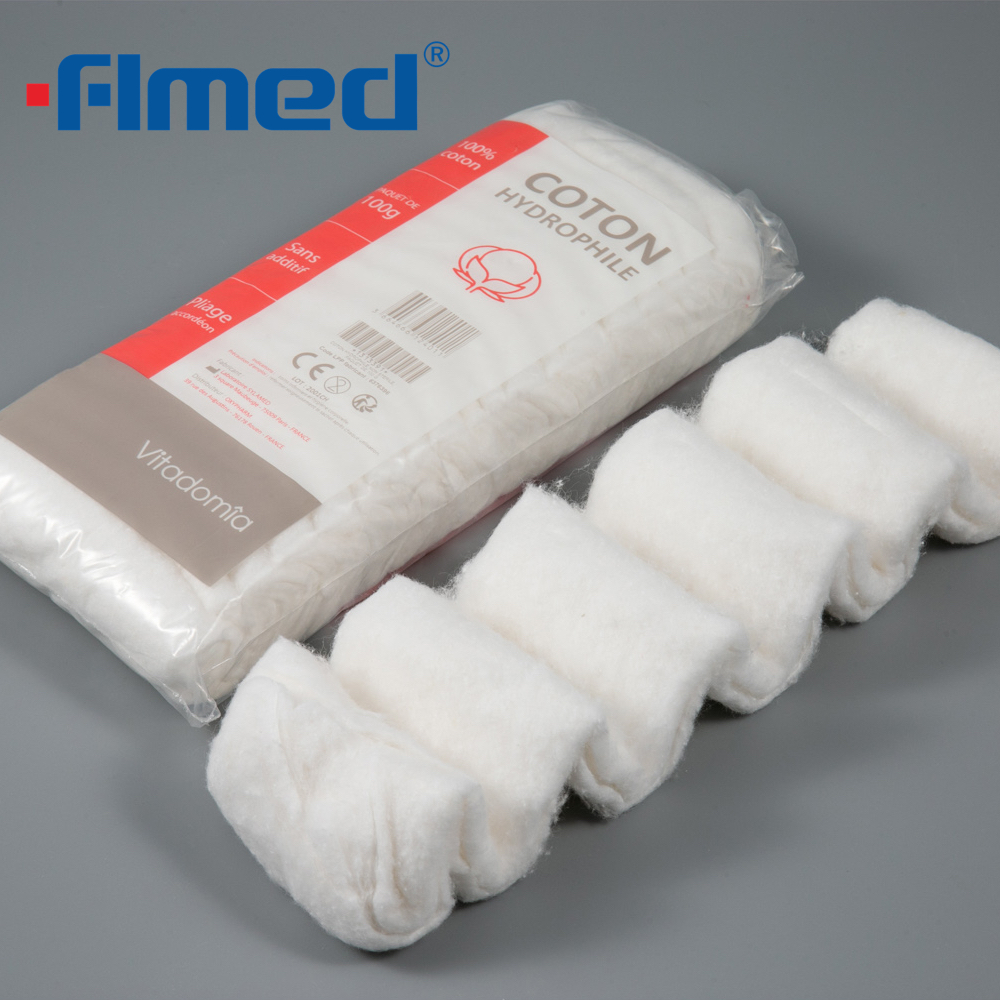
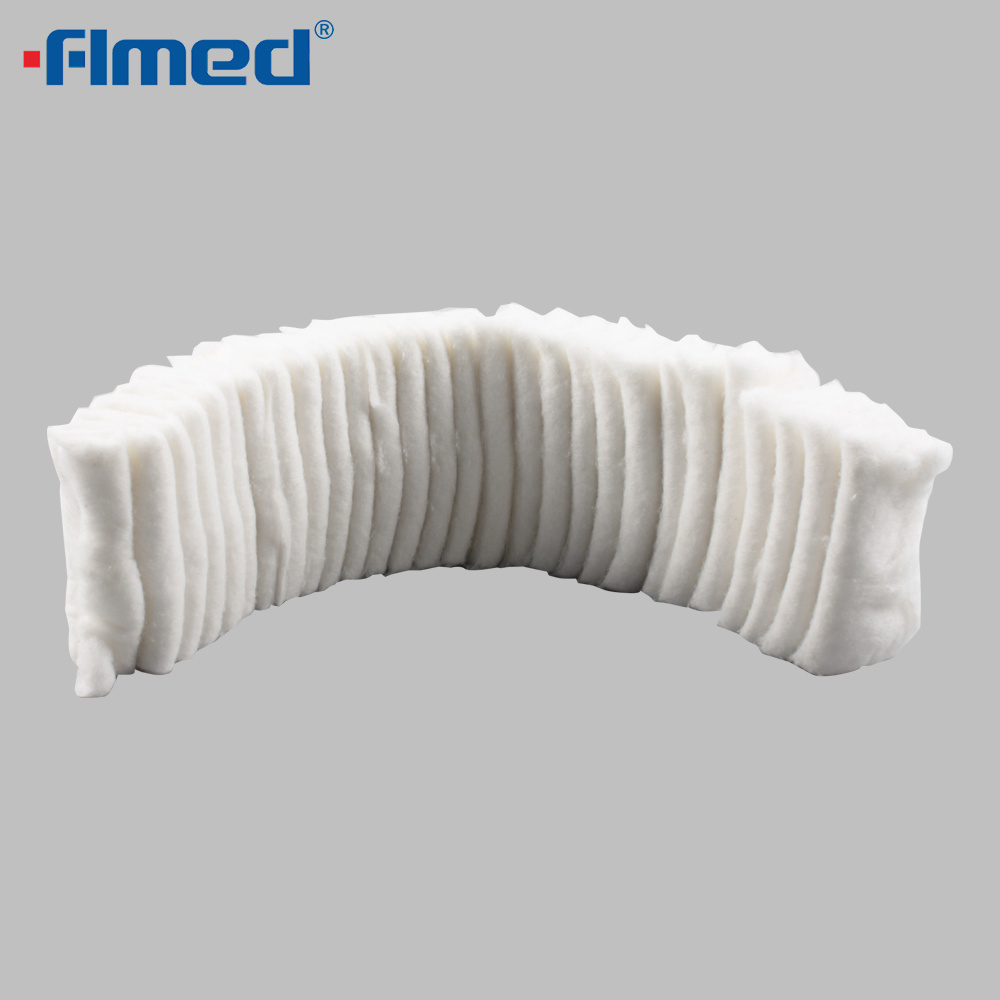
- Application Specificity: Regular cotton is optimized for spinning into yarn for textiles and industrial stuffing, whereas absorbent cotton is engineered for medical dressings, cosmetics, and products like the cotton wool roll.
- Compliance & Sustainability: Procurement of absorbent cotton for clinical use requires adherence to strict pharmacopeia standards (e.g., USP, BP, EP) regarding bioburden, chemical residue, and increasingly, sustainability certifications (e.g., GOTS, OEKO-TEX) for organic sourcing.
Understanding the Manufacturing Process: Chemical and Physical Alterations
Buyers must understand how agricultural raw materials are farmed and processed. This knowledge helps accurately assess final performance capabilities, environmental footprint, and regulatory compliance. The journey from field to factory floor involves significant chemical and physical alterations that dictate how the final fiber behaves in commercial applications.
The Agricultural Starting Point: Regular (Conventional) vs. Organic Farming
Regular cotton relies on conventional farming methods. Growers utilize synthetic pesticides, fertilizers, and genetically modified seeds to maximize yield and resist pests like the bollworm. Organic cotton farming prohibits these synthetic inputs, relying instead on crop rotation and natural pest control. The agricultural origin directly impacts the raw fiber's initial purity. It also determines the chemical residue profile prior to industrial processing. When sourcing raw materials for sensitive medical applications, the baseline agricultural method establishes the initial bioburden and heavy metal content that subsequent processing must remove.
Conventional farming often leaves trace amounts of defoliants on the raw fiber. Harvesting machinery introduces field trash, including leaf fragments, stems, and dirt. Organic farming reduces chemical residues but still yields a raw fiber laden with natural impurities and field debris. Regardless of the farming method, the raw fiber at this stage is entirely unsuitable for fluid management.
The Baseline: Natural Waxes in Regular Cotton
Raw cotton straight from the gin contains several non-cellulosic materials. The fibers are coated with natural cuticular waxes, pectins, and proteins. This natural coating serves a biological purpose for the plant, protecting the developing seed from environmental moisture and microbial attack. It makes regular cotton inherently hydrophobic. Water beads up on the surface instead of soaking into the fiber.
If you place a handful of raw, untreated cotton in a beaker of water, it will float indefinitely. The surface tension of the water cannot penetrate the waxy cuticle of the fiber. This characteristic makes raw cotton excellent for applications where you want to avoid moisture retention, but completely useless for wound care or hygiene products. The raw fiber also contains natural pigments, giving it a yellowish or off-white appearance, and seed coat fragments that appear as small dark specks.
The Transformation: Scouring and Bleaching Absorbent Cotton
Transforming raw fiber into a fluid-managing material requires intense chemical processing. Manufacturers use an alkaline scouring process under high pressure and temperature. Facilities load the raw fiber into massive pressure vessels called kiers. They introduce a solution of sodium hydroxide (caustic soda), surfactants, and chelating agents. The mixture boils at temperatures exceeding 120 degrees Celsius for several hours. This step saponifies and removes the natural waxes, breaking down pectins and proteins into water-soluble compounds that wash away.
Next comes the oxidative bleaching process. Facilities typically use hydrogen peroxide or chlorine-based agents. Hydrogen peroxide is the modern standard, as it avoids the creation of toxic chlorinated byproducts. The bleaching phase strips away natural pigments, seed coat fragments, and residual impurities. It oxidizes the coloring matter, leaving the fiber bright white and visually clean.
The resulting structural change is significant. The process leaves a pure cellulose fiber network with exposed hydroxyl groups. These groups rapidly draw in and retain moisture via capillary action. This processed material is what we recognize as true absorbent fiber. The physical structure of the cotton fiber, which resembles a twisted ribbon under a microscope, remains intact, but its chemical surface is entirely transformed to attract water molecules.
Technical Specifications and Performance Evaluation
Comparing the exact physical and chemical behaviors of both materials aligns procurement with end-use success criteria. You cannot rely on visual inspection alone; rigorous laboratory testing is required to verify the material's physical state.
Hydrophilic vs. Hydrophobic Properties (Fluid Management)
The "sink test" is the industry standard used to measure absorbency rates. It measures the time it takes for a sample to sink in water. A standard test involves dropping a one-gram basket of the fiber into water at 20 degrees Celsius. Absorbent Cotton demonstrates rapid fluid uptake, usually sinking within seconds. Pharmacopeia standards typically require a sink time of under 10 seconds. Regular cotton resists fluid and floats on the surface, often for days, without absorbing any significant volume of water.
Absorption capacity measures the weight of fluid retained per gram of cotton. High-quality absorbent materials typically hold 20 to 24 times their own weight in fluid. You measure this by submerging the sample, allowing it to drain for a specific period, and weighing the retained water. Regular cotton has an absorption capacity near zero.
| Performance Metric | Regular Raw Cotton | Processed Absorbent Cotton |
| Fluid Uptake Behavior | Hydrophobic (Repels water) | Hydrophilic (Absorbs water) |
| Standard Sink Time | Floats indefinitely | Sinks in under 10 seconds |
| Water Retention Capacity | < 2g water per 1g fiber | 20g - 24g water per 1g fiber |
| Surface Chemistry | Coated in natural waxes and pectins | Pure cellulose with exposed hydroxyl groups |
| Visual Appearance | Off-white, contains dark seed specks | Bright white, free of visible impurities |
Fiber Identification: Verifying 100% Pure Cotton vs. Synthetic Blends
Bulk shipments sometimes contain synthetic adulterants like polyester or rayon. Suppliers may blend cheaper synthetic fibers to reduce costs. Verification requires specific testing methods. Microscopic analysis reveals fiber structure; cotton looks like a twisted ribbon, while polyester appears as a smooth, uniform cylinder. Solubility tests determine chemical breakdown. Cotton dissolves in cuprammonium hydroxide but resists standard solvents that melt synthetics.
Burn tests offer immediate field verification. Pure cotton burns rapidly with a yellow flame, smells like burning paper, and leaves a light, feathery gray ash. Synthetic blends melt, shrink away from the flame, smell like burning plastic, and leave hard, black beads. Absolute fiber purity is non-negotiable for clinical applications. A medical-grade cotton wool roll must be 100% pure to prevent foreign-body reactions in patients. Synthetic fibers do not absorb fluids as effectively and can cause tissue irritation during surgical procedures.
Purity, Sterilization, and Bioburden Levels
Regular cotton carries a high impurity profile. It contains dust, agricultural residues, leaf trash, and seed coat fragments. The natural bioburden—the number of viable microorganisms on the fiber—is extremely high straight from the field. Absorbent materials require strict elimination of all non-cellulosic material. The scouring and bleaching process effectively destroys most vegetative bacteria, significantly lowering the baseline bioburden.
Sterilization compatibility is a critical factor. Medical grades undergo gamma irradiation, ethylene oxide (EO) treatment, or steam autoclaving. The natural waxes in regular cotton can interfere with sterilizing agent penetration. Waxes can shield bacterial spores from EO gas or steam, making raw cotton unsafe for surgical use. Processed absorbent fiber allows sterilizing gases and steam to penetrate the entire fiber matrix uniformly, ensuring complete sterility.
Fiber Integrity and Linting Characteristics
Regular cotton maintains high tensile strength. It is optimized for spinning into durable yarn for denim, canvas, and shirting. The natural waxes act as a lubricant during the mechanical spinning process. Chemical scouring causes absorbent fibers to lose marginal strength. The harsh alkaline boiling degrades the cellulose chains slightly, making the individual fibers weaker.
This process also affects linting risks. Chemical processing can increase the shedding of short fibers, known as neps. Controlling lint is a critical safety factor in ophthalmic, cleanroom, and surgical environments. Excessive linting in a surgical swab can leave foreign material in a wound bed, leading to granulomas or infection. Manufacturers of high-grade medical cotton use combing processes to remove short fibers and reduce linting potential before final packaging.
![Absorbent Cotton Manufacturing and Processing]()
Solution Categories: When to Specify Which Material
Mapping the technical properties of the fibers to specific industry applications prevents over-engineering and product failure. Selecting the wrong material leads to immediate operational issues.
Medical, Dental, and Clinical Uses
Wound care, surgical swabs, and fluid isolation demand highly absorbent materials. In an operating room, laparotomy sponges and gauze must soak up blood and exudate instantly. Dental procedures rely heavily on the cotton wool roll. Dentists use it for continuous saliva management, cheek retraction, and maintaining dry operational fields during composite restorations. If a dentist used a roll made of regular, unbleached cotton, the saliva would pool in the patient's mouth, ruining the adhesive bond of the dental filling.
These high-stakes environments require hypoallergenic and sterile properties. The material must be free of optical brighteners, which can cause allergic reactions, and must meet strict limits for water-soluble substances to ensure no chemical residues leach into the patient's bloodstream.
Cosmetics, Skincare, and Personal Care
Makeup removal pads, cosmetic rounds, ear swabs, and feminine hygiene products utilize processed absorbent fibers. Manufacturers must balance softness with structural integrity. The material must hold together when saturated with cosmetic solvents, astringents, or water. Consumers highly value the tactile feel of pure, processed cotton. It is non-abrasive and gentle on sensitive facial skin.
In feminine hygiene, the core absorbent layer must draw moisture away from the body rapidly. Regular cotton would cause fluid to run off the surface, leading to product failure. The processed fiber ensures rapid wicking and high retention capacity, providing security and comfort.
Apparel, Textiles, and Industrial Stuffing
Regular cotton remains the global standard for woven and knitted fabrics. It offers natural breathability, strength, and comfort. The spinning industry requires the natural waxes to remain intact to prevent fiber breakage during carding and spinning. Non-absorbent regular cotton is also used in upholstery, mattresses, acoustic insulation, and protective packaging.
In these applications, moisture retention is actively detrimental. If you stuff a mattress with highly absorbent fiber, it will pull humidity from the air and sweat from the user. Trapped moisture leads to mold, mildew growth, and premature degradation of the product. Therefore, industrial stuffing relies on the hydrophobic nature of raw, regular cotton to maintain loft and resist environmental moisture.
Procurement Decision Framework: Value, Scalability, and Compliance
Balancing upfront procurement costs with regulatory, operational, and sustainability requirements ensures long-term success. Procurement teams must look beyond the basic commodity price and evaluate the total technical specification.
Regulatory Compliance and Quality Standards
Mandatory pharmacopeia standards dictate the allowable limits for clinical materials. The United States Pharmacopeia (USP), British Pharmacopoeia (BP), and European Pharmacopoeia (EP) set strict testing monographs. These standards regulate water-soluble substances, ash content, fluorescent substances, and acidity levels. For example, the USP requires that the residue on ignition (ash content) does not exceed 0.2%. This ensures no heavy metals or inorganic dirt remain in the fiber.
Textile-focused standards apply differently. Certifications like GOTS (Global Organic Textile Standard) and OEKO-TEX Standard 100 typically apply to regular and organic yarns used in apparel. While OEKO-TEX ensures the absence of harmful chemicals in clothing, it does not test for fluid absorbency or surgical suitability. Procurement must specify pharmacopeia compliance for any medical or hygiene application.
Environmental Sustainability and Bleaching Chemistry
Traditional chlorine-gas bleaching produces harmful dioxins, which accumulate in waterways and pose severe environmental risks. Modern procurement specifications demand safer alternatives. Totally Chlorine-Free (TCF) and Elemental Chlorine-Free (ECF) bleaching are now standard for high-quality absorbent materials. TCF uses hydrogen peroxide, ozone, or oxygen, producing only water and oxygen as byproducts.
Demand for certified organic absorbent materials in medical and cosmetic markets is rising as companies strive to meet ESG targets. Sourcing organic raw cotton and processing it using TCF methods provides a fully sustainable end product. However, buyers must verify the chain of custody through transaction certificates to ensure the organic claim is valid from farm to final processing.
Cost-to-Value Ratio and Supply Chain Considerations
Absorbent materials carry a cost premium. They are often 15 to 30 percent more expensive than regular raw cotton. This premium covers the energy, water, and chemical-intensive scouring and bleaching processes. A typical bleaching facility consumes massive volumes of fresh water and requires extensive wastewater treatment infrastructure. Global raw cotton commodity pricing fluctuations impact both variants, but the processing costs for absorbent materials remain relatively fixed.
Buyers must evaluate supply chain stability and minimum order quantities carefully. Facilities that process medical-grade fibers require strict cleanroom environments and ISO 13485 certification. The number of qualified suppliers is smaller than those providing standard textile yarns, requiring longer lead times and strategic supplier partnerships.
Implementation Risks and Mitigation
Storage presents a significant risk. Processed absorbent fiber is highly hygroscopic. It will absorb ambient moisture and airborne microbes if left exposed in a humid warehouse. It requires hermetically sealed, moisture-barrier packaging, such as polyethylene-lined cartons or foil pouches. If the packaging is compromised, the material will draw in moisture, increasing its weight and potentially supporting microbial growth.
Processing risks are equally severe. Using regular cotton in a fluid-management application results in immediate product failure. Conversely, using absorbent materials in structural textiles leads to premature degradation and excessive costs. Procurement must implement strict receiving inspections, including random sink tests and burn tests, to verify that incoming shipments match the required technical specifications.
Conclusion
The choice between absorbent and regular cotton is dictated entirely by the necessity for fluid management versus structural textile strength. Specify regular cotton for spinning, weaving, apparel, and dry stuffing. Specify absorbent materials strictly for medical, cosmetic, dental, and hygienic applications requiring rapid moisture uptake and chemical purity.
- Request detailed technical data sheets (TDS) from all prospective suppliers to verify physical properties.
- Demand certificates of analysis proving strict pharmacopeia compliance (USP, BP, or EP) for any products intended for clinical or surgical use.
- Conduct standardized sink tests on incoming sample batches to confirm absorption rates meet the 10-second threshold.
- Perform burn tests and microscopic evaluations to verify 100% fiber purity and rule out synthetic adulterants.
- Audit supplier packaging protocols to ensure moisture-barrier seals are intact before approving bulk storage in your facility.
FAQ
Q: What makes absorbent cotton different from regular cotton?
A: Absorbent cotton undergoes intense chemical scouring and bleaching to remove natural plant waxes, pectins, and impurities. This high-temperature alkaline process changes the fiber from naturally water-repellent (hydrophobic) to highly water-absorbent (hydrophilic), allowing it to draw in fluids rapidly.
Q: Can regular cotton be used for wound care or medical applications?
A: No. Regular cotton retains its natural waxes, making it resist fluids. It also contains agricultural impurities, field trash, and high bioburden levels that make it unsafe, non-sterile, and completely ineffective for wound care or surgical environments.
Q: What is a cotton wool roll and what type of cotton is it made from?
A: A cotton wool roll is a tightly bound cylinder of 100% pure absorbent cotton. It is primarily used in dental and medical procedures to absorb saliva, blood, and other fluids while maintaining a dry operational field. It must be free of synthetic fibers.
Q: Why is absorbent cotton more expensive than regular cotton?
A: The price premium accounts for the extensive manufacturing required. High-pressure alkaline scouring, oxidative bleaching, extensive washing, and specialized drying consume significant water, energy, and chemical resources, adding substantial processing costs to the raw commodity price.
Q: Does the bleaching process affect the tensile strength of absorbent cotton?
A: Yes. The chemical scouring and bleaching processes strip away protective waxes and slightly degrade the cellulose structure. This results in a marginal loss of tensile strength compared to raw yarn-spinning cotton, making it less suitable for weaving heavy textiles.
Q: How do you test if cotton is truly absorbent?
A: You perform a sink test. Drop a standardized one-gram sample of the cotton into water at room temperature. True absorbent cotton will saturate and sink below the surface in under 10 seconds, whereas regular cotton will float indefinitely.
Q: What are the storage requirements for medical-grade absorbent cotton?
A: It must be stored in a dry, climate-controlled environment. Because it is highly hygroscopic, it must remain in hermetically sealed, moisture-barrier packaging to prevent it from absorbing ambient humidity and airborne contaminants before use.
 English