The selection of medical and laboratory sharps represents a critical operational variable impacting compliance, safety, and facility workflows. Facilities must balance strict infection control mandates and patient safety with supply chain reliability and environmental waste management. Evaluating the structural and clinical differences between single-use options and reusable alternatives is essential for aligning procurement strategies with specific clinical or laboratory use cases. Understanding the fundamental mechanical properties, sterilization burdens, and workflow impacts ensures optimal equipment selection. Healthcare environments demand absolute sterility to protect vulnerable patient populations. Conversely, industrial and research laboratories often prioritize chemical resistance and volumetric precision over biological infection control. Navigating these distinct requirements requires a deep understanding of material science and regulatory frameworks. Procurement teams must analyze lifecycle logistics, disposal protocols, and staff safety measures to make informed decisions regarding fluid delivery systems.
- Safety and Sterility: Disposable needles provide guaranteed single-use sterility, virtually eliminating cross-contamination risks, whereas reusable variants require rigorous, documented sterilization protocols (e.g., autoclaving).
- Physical Degradation: Reusing needles inherently degrades the bevel sharpness; single-use disposable needles ensure optimal tissue penetration and minimize patient trauma.
- Application Specificity: Modern human healthcare almost exclusively mandates disposable formats for safety, while specific laboratory, analytical, or veterinary applications may still justify the chemical resistance and durability of reusable glass and heavy-duty steel systems.
Defining the Baseline: Syringes vs. Needles
Anatomical Distinction
You must clarify the functional difference between the two primary components of a fluid delivery system. The syringe acts as the holding reservoir. It features a calibrated barrel and a plunger mechanism designed to draw in or expel liquids. The barrel contains precise volumetric markings to ensure accurate dosing. The plunger creates the necessary vacuum or pressure to move the fluid. The elastomer tip on the plunger ensures a tight seal against the barrel wall, preventing fluid bypass during high-pressure injections.
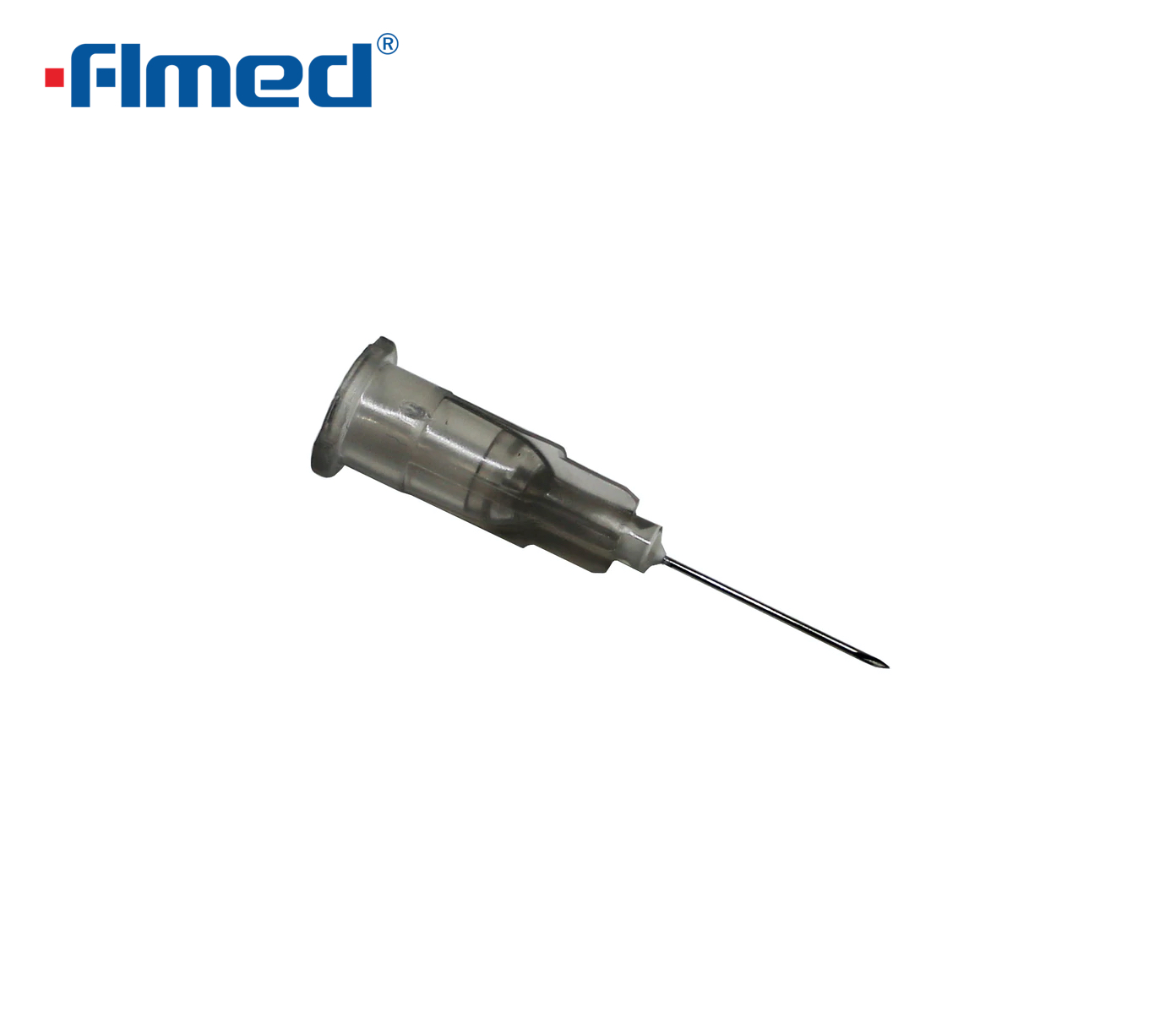
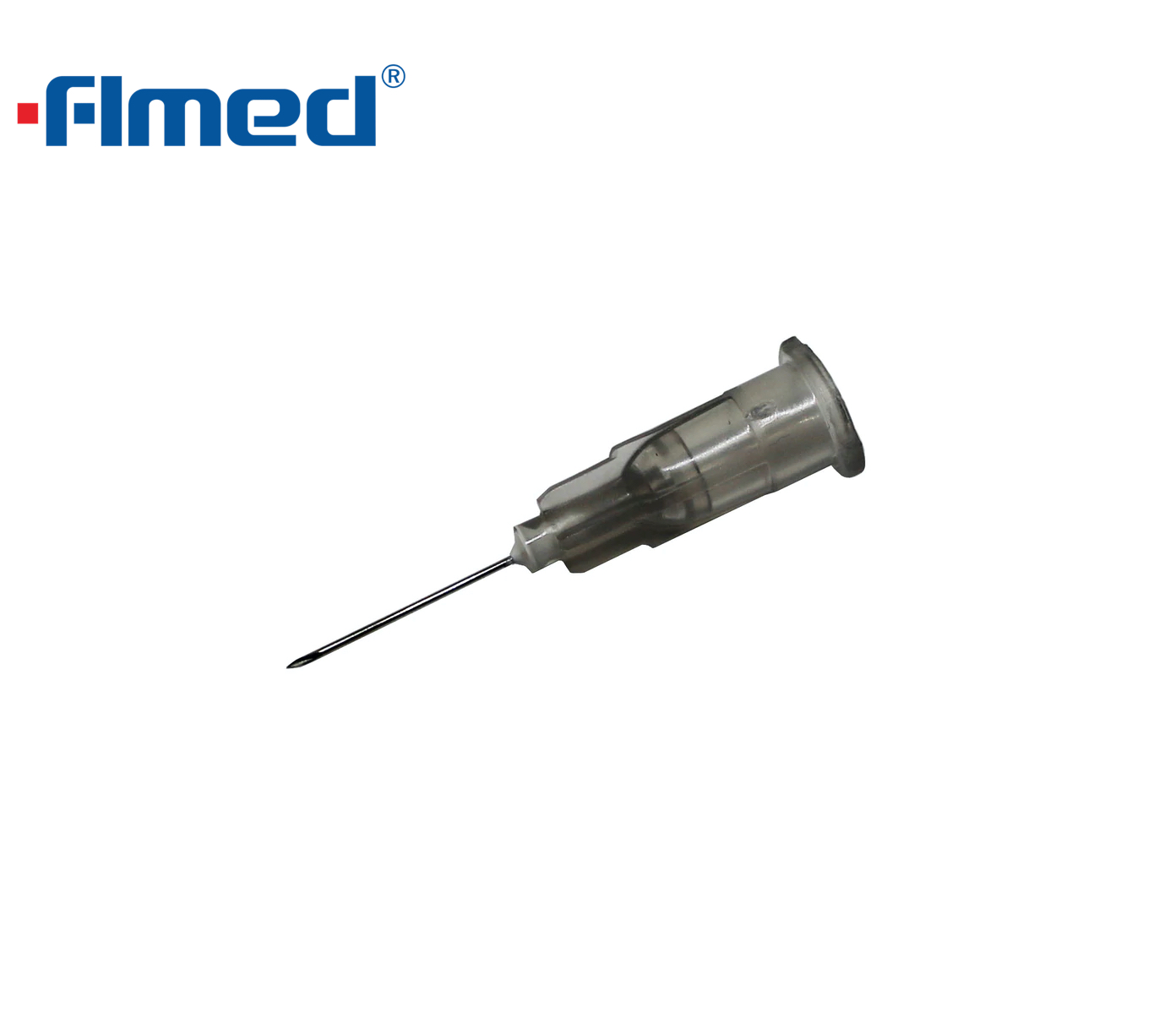
Conversely, Needles function as the sharp instruments designed specifically to puncture tissue, vials, or septa. They consist of a hollow metal tube known as the cannula. The tip features a precise, angled cut called the bevel. This bevel creates a sharp point to slice through barriers with minimal resistance. The fluid travels through the hollow center, known as the lumen. The base of the cannula attaches to a hub, which serves as the connection point to the syringe barrel.
System Integration
These distinct components interface to create a functional unit via standardized fittings molded into the plastic or metal. The Luer lock mechanism utilizes a threaded design conforming to ISO 80369 standards. You twist the hub onto the syringe barrel, creating a secure, leak-proof seal ideal for high-pressure injections or viscous fluids. The Luer slip mechanism relies on simple friction. You push the hub onto the tapered barrel tip for a quick, standard connection used in low-pressure applications.
Procurement teams evaluate these items as a combined delivery system. You must ensure absolute compatibility even when purchasing the barrel and the sharp components separately. Mismatched fittings lead to fluid leaks, inaccurate dosing, and potential exposure to hazardous materials. Standardization across your facility prevents these integration failures and streamlines inventory management. Dead space volume—the fluid left in the hub after the plunger is fully depressed—also dictates which integration style you select for low-dose medication delivery.
System Integration Verification Steps
- Inspect the packaging for ISO 80369 compliance markings to ensure universal compatibility.
- Verify the thread pitch on the Luer lock hub matches the syringe barrel collar.
- Perform a dry fit test to ensure the hub seats fully without cross-threading or excessive force.
- Check the dead space volume specifications to confirm suitability for low-dose applications.
- Assess the hub material for potential stress fractures when subjected to maximum torque.
Disposable Needles: Specifications, Advantages, and Limitations
Material Composition and Manufacturing Standards
Manufacturers construct the cannula using high-grade medical stainless steel, typically 304 or 316 series. This alloy provides exceptional tensile strength and resists bending during insertion. The manufacturing process involves drawing the steel wire through progressively smaller dies to achieve the desired Birmingham Wire Gauge (BWG). The tips undergo precision grinding to create three-facet or five-facet bevels. Electropolishing then removes microscopic metal burrs left by the grinding process, ensuring a perfectly smooth cutting edge.
They mold the connecting hub from specialized, medical-grade plastics like polypropylene or polycarbonate. These plastics withstand the rigors of manufacturing sterilization without degrading or off-gassing. Standard silicone lubrication coats the exterior of most Disposable Needles. This microscopic layer of medical-grade dimethicone significantly reduces insertion friction. It allows the metal to glide smoothly through tissue, minimizing patient discomfort. Specialized formats undergo strict engineering for specific applications. Insulin pen variants feature ultra-thin walls to maximize flow rates while maintaining a minimal external diameter.
The Sterility Advantage and Infection Control
Single-use sharps arrive at your facility pre-packaged and fully sterile. Manufacturers rely on robust industrial sterilization methods before shipping. Gamma irradiation uses high-energy photons from a Cobalt-60 source to break down the DNA of any contaminating microorganisms. Ethylene oxide (EtO) gas sterilization penetrates the sealed Tyvek packaging to eradicate bacteria, viruses, and spores. Both methods guarantee the absolute elimination of bloodborne pathogen transmission risks.
Clinical staff simply open the blister pack, perform the injection, and discard the unit immediately. This workflow removes the burden of internal sterilization from the healthcare facility. It provides an unbroken chain of sterility from the manufacturing floor directly to the patient. This guaranteed cleanliness forms the foundation of modern medical infection control protocols. Facilities do not need to maintain complex sterilization logs or validate autoclave cycles for these specific components.
Safety Engineering and Retractable Features
Modern designs incorporate built-in safety mechanisms to protect healthcare workers. Accidental needlestick injuries pose severe risks of transmitting bloodborne pathogens. Active safety designs require the clinician to manually engage a shielding mechanism. They snap a hinged plastic cover over the metal tip immediately after withdrawing it from the patient. This requires a conscious physical action and specific training to ensure compliance.
Passive safety designs offer superior protection by activating automatically. Retractable mechanisms utilize a spring-loaded system housed within the syringe barrel or the hub. The sharp metal tip pulls back directly into the empty syringe barrel the moment the plunger is fully depressed. These features neutralize the risk of accidental injuries during the critical moments between injection and disposal. They eliminate the exposed sharp entirely before the clinician even turns toward the sharps container.
Hidden Logistics and Environmental Impact
Relying exclusively on single-use items requires a continuous, high-volume procurement cycle. Facilities remain entirely dependent on external manufacturers and logistics networks. You become vulnerable to global supply chain disruptions, raw material shortages, and shipping delays. A disruption in the supply chain can immediately halt clinical operations. Facilities must maintain massive storage areas dedicated solely to housing these bulky, pre-packaged consumables.
High-volume usage also generates massive amounts of biohazardous plastic and metal waste. Every single injection results in contaminated materials that require specialized handling. Facilities must utilize rigid, puncture-resistant sharps containers. Waste management companies must collect, transport, and incinerate this hazardous waste at extremely high temperatures. This continuous cycle imposes significant environmental burdens and requires complex logistical coordination to ensure compliance with local and federal environmental regulations.
Material Properties Comparison
| Component | Single-Use Construction | Reusable Construction |
| Cannula Material | 304 Stainless Steel (Thin Wall) | 316L Stainless Steel (Heavy Gauge) |
| Hub Material | Polypropylene / Polycarbonate | Chrome-Plated Brass / Stainless Steel |
| Lubrication | Medical-grade Silicone (Dimethicone) | None (Relies on mechanical polishing) |
| Barrel Compatibility | Plastic (Polypropylene) | Borosilicate Glass / Specialized Polymers |
| Thermal Tolerance | Low (Melts under autoclave heat) | High (Endures repeated autoclaving) |
![Medical sharps and fluid delivery components]()
Reusable Needles: Specifications, Advantages, and Limitations
Durability and Material Science
Reusable systems feature heavy-gauge stainless steel construction designed for longevity. They often utilize solid brass hubs plated with chrome or nickel for enhanced structural integrity. These robust units pair seamlessly with heavy-duty glass borosilicate barrels or specialized polymer syringes. The thick metal walls resist bending, crushing, and mechanical fatigue over hundreds of uses. The manufacturing process prioritizes structural rigidity over minimizing the external diameter.
These materials resist harsh chemicals and extreme temperature fluctuations. They do not leach plasticizers into sensitive laboratory samples when exposed to aggressive solvents like hexane or chloroform. System modularity allows facilities to replace individual parts as they wear out. You can swap out interchangeable PTFE plungers, replace damaged glass barrels, or attach new metal tips. This modular approach prevents you from discarding the entire unit when only one component fails, optimizing the lifecycle of the equipment.
Sterilization Protocols and Compliance Burdens
Reusing sharps introduces strict operational realities and heavy compliance burdens. Staff must execute mandatory cleaning protocols immediately after use to prevent biological or chemical materials from drying inside the lumen. This involves manual flushing with deionized water followed by extended cycles in ultrasonic baths containing enzymatic detergents. The ultrasonic cavitation removes microscopic protein deposits and chemical residues from the internal walls of the cannula.
Autoclave sterilization remains non-negotiable before the next use. The equipment must endure pressurized steam at 121 degrees Celsius for up to 30 minutes, or 134 degrees Celsius for shorter cycles. This process demands high labor input from trained Central Sterile Services Department (CSSD) technicians. Facilities must maintain strict regulatory documentation, including biological indicator logs and Bowie-Dick test results, to prove sterility for every single cycle. Any deviation from this protocol risks severe contamination.
Standard Reprocessing Workflow
- Flush the lumen immediately post-use with deionized water to prevent residue hardening.
- Submerge the unit in an enzymatic detergent bath to break down complex proteins.
- Process in an ultrasonic cleaner for a minimum of 15 minutes to dislodge internal particulates.
- Rinse thoroughly with distilled water to remove all detergent residue.
- Package in approved sterilization pouches with internal chemical indicators.
- Run the validated autoclave cycle and log the biological indicator results before release.
Long-Term Operational Lifecycle
Implementing reusable systems requires a dedicated infrastructure for maintenance and tracking. The heavy-duty materials and precision machining ensure a prolonged operational lifecycle. A single glass and metal setup can last for years if maintained properly and protected from physical drops. Facilities must track the usage cycles of each component to identify metal fatigue or glass micro-fractures before they cause a failure during a procedure.
You must establish a rigorous inspection protocol. Technicians must examine the bevel under magnification after every sterilization cycle to check for burrs or structural degradation. The glass barrels require visual inspection for clouding or etching caused by repeated exposure to high-pressure steam and alkaline detergents. Managing this lifecycle requires dedicated personnel and a robust inventory tracking system to ensure only optimal equipment remains in circulation.
Head-to-Head Evaluation: Aligning Features to Outcomes
Clinical Safety and Patient Outcomes (The Dulling Effect)
Repeated use causes microscopic degradation of the metal tip. Under an electron microscope, you can see the bevel begin to burr, bend, and dull after just one puncture. The fine cutting edge rolls over, creating a microscopic hook. This dulling effect dramatically increases insertion force requirements. The friction-reducing silicone coating also strips away during the first use, further increasing tissue drag.
This degradation causes unnecessary tissue damage, bruising, and micro-trauma during subsequent insertions. The burred edge tears the tissue rather than slicing cleanly through it. Single-use designs prevent this mechanical degradation entirely. Every patient receives a pristine, factory-sharpened edge, ensuring the most comfortable and least traumatic injection possible. Eliminating the dulling effect directly improves patient compliance, especially for individuals requiring daily subcutaneous injections.
Human-Use vs. Laboratory Applications
Regulatory bodies heavily restrict reusable sharps in human healthcare environments. The infection risks simply outweigh any structural or environmental benefits. Modern medical standards mandate single-use formats for all direct patient contact to prevent cross-contamination. The liability of a sterilization failure in a clinical setting is catastrophic. Regulatory agencies like the FDA and CE enforce strict guidelines that effectively eliminate reusable sharps from modern hospitals and clinics.
Conversely, laboratory and industrial settings still leverage reusable variants effectively. They excel in chromatography applications like HPLC or GC, where highly reactive solvents would melt or degrade standard plastics. Precise volumetric dosing in controlled lab environments benefits from the rigid, non-expanding nature of glass and heavy steel. Autosamplers rely on heavy-gauge, non-coring reusable tips to pierce thick septa hundreds of times without bending or dropping particulate matter into the sample vial.
Scalability and Workflow Efficiency
Single-use formats offer immediate operational readiness. Clinical staff grab a sterile blister pack, perform the procedure, and move to the next patient. This convenience maximizes clinical workflow efficiency and allows for high patient throughput. There is zero downtime associated with equipment preparation. Emergency departments and high-volume vaccination clinics rely entirely on this immediate availability to function effectively.
Reusable batches require significant turnaround time. Processing, cleaning, and sterilizing equipment create inherent bottlenecks in high-volume environments. If the autoclave breaks down, or if the sterilization technician is unavailable, the entire workflow halts. Scaling operations with reusable equipment requires purchasing massive backup inventories to cover the sterilization downtime. You must factor in the transit time between the clinical floor and the sterile processing department when calculating equipment availability.
Sterilization Parameter Guidelines
| Sterilization Method | Temperature | Exposure Time | Application |
| Gravity Displacement Autoclave | 121°C (250°F) | 30 Minutes | Standard reusable metal and glass components |
| Pre-Vacuum Autoclave | 132°C (270°F) | 4 Minutes | Porous loads and complex lumen structures |
| Dry Heat Sterilization | 160°C (320°F) | 120 Minutes | Moisture-sensitive laboratory instruments |
| Ethylene Oxide (EtO) | 37°C - 63°C | 1 - 6 Hours | Industrial manufacturing of single-use plastics |
Implementation Risks and Mitigation Strategies
Managing Sharps Disposal Compliance
High volumes of single-use plastics lead directly to overflowing sharps containers. This creates severe physical safety hazards for environmental services staff and risks heavy regulatory fines from health agencies. Improper disposal can lead to accidental needlesticks in the waste stream. When staff force items into a full container, the compressed plastics can spring back, ejecting contaminated sharps onto the floor.
Implement optimized waste-hauling contracts to manage the specific volume your facility generates. Do not wait for containers to overfill before scheduling pickups. Enforce rigorous staff training on immediate, safe disposal protocols based on NIOSH guidelines. Mandate that containers be sealed and replaced when they reach the designated fill line, typically at three-quarters capacity. Conduct regular audits of disposal areas to ensure compliance with these safety thresholds.
Sterilization Failure in Reusable Systems
Incomplete sterilization leads directly to ruined laboratory samples, compromised research data, or severe localized infections in veterinary settings. A failed autoclave cycle might leave microscopic spores alive inside the lumen, invisible to the naked eye. Biofilms can form inside the narrow cannula if the initial manual cleaning phase fails to remove all organic material, shielding bacteria from the pressurized steam.
Mitigate this critical risk by adopting strict biological indicator testing for every sterilization load. Utilize Geobacillus stearothermophilus spore tests to validate the lethality of the autoclave cycle. Perform routine autoclave maintenance, including door seal replacements and sensor calibration. Implement clear lifecycle tracking using etched serial numbers to identify and retire degraded reusable units before they harbor unsterilizable biofilms.
Supply Chain Vulnerabilities
Global manufacturing shortages, shipping delays, or geopolitical events can cause sudden stockouts of critical single-use supplies. Facilities cannot operate without these essential fluid delivery tools. Relying on a single distributor leaves your entire operation vulnerable to external shocks. Just-in-time inventory models fail completely when the upstream supply chain experiences a disruption.
Diversify your vendor portfolios to ensure multiple, independent sourcing channels. Establish relationships with both domestic manufacturers and international suppliers. Maintain strategic buffer stocks of high-use gauges and lengths in secure, climate-controlled storage. This reserve inventory allows your facility to weather sudden supply chain disruptions without compromising patient care or laboratory output. Calculate your daily burn rate to determine the exact volume required for a 30-day or 60-day buffer.
Conclusion
The choice between single-use and reusable sharps depends entirely on the specific application environment. Single-use formats remain the absolute, non-negotiable standard for human clinical care due to strict safety, sterility, and infection control requirements. Reusable variants retain strong niche utility in specialized laboratory, industrial, and analytical settings where chemical resistance and structural rigidity are paramount. Procurement teams must evaluate their specific regulatory environment, chemical compatibility needs, and internal capacity for validated sterilization. You cannot apply a universal purchasing strategy across distinct operational departments. The clinical wing requires different tools than the analytical chemistry lab.
- Audit current sharps inventory to identify high-volume usage areas and potential consolidation opportunities across departments.
- Review facility waste management contracts to ensure sharps disposal capacity aligns with actual generation rates.
- Update standard operating procedures for any reusable equipment to mandate daily biological indicator testing and strict lifecycle tracking.
- Establish a minimum 30-day buffer stock for critical fluid delivery components to mitigate supply chain disruptions.
FAQ
Q: Why are disposable items preferred in modern healthcare?
A: They provide guaranteed sterility right out of the package. This eliminates the risk of cross-contamination between patients. They also offer unmatched convenience, maximize clinical workflow speed, and prevent tissue trauma caused by the dulling effect of repeated insertions.
Q: Can you sterilize and reuse a single-use needle?
A: No. You must never reuse them. The structural integrity degrades immediately, and the friction-reducing silicone coating is lost. Attempting to sterilize them introduces severe infection risks and causes unnecessary tissue damage. They are engineered strictly for one-time use.
Q: What happens to a needle when it is reused?
A: The metal tip experiences microscopic bending, burring, and dulling upon the very first insertion. This mechanical degradation causes increased pain, bruising, and tissue damage during subsequent uses. This is particularly dangerous for personal-use items like insulin pens.
Q: Are reusable needles still used in medical settings?
A: They are extremely rare in modern human medicine due to strict infection control standards. However, you may still find them in specific veterinary practices, resource-limited environments, or highly specialized laboratory settings requiring extreme chemical resistance.
Q: What is the difference between human-use and lab-use syringes?
A: Human-use variants require stringent regulatory approvals and strict medical-grade sterility. Lab-use variants focus on material compatibility for harsh chemicals and precise volumetric dosing, often lacking the strict sterility certifications required for direct patient care.
Q: How do retractable safety mechanisms improve workplace safety?
A: These mechanisms allow the sharp metal tip to withdraw directly into the empty syringe barrel immediately after the injection. This neutralizes the exposed tip, effectively eliminating the risk of accidental needlestick injuries for healthcare staff during disposal.

 English