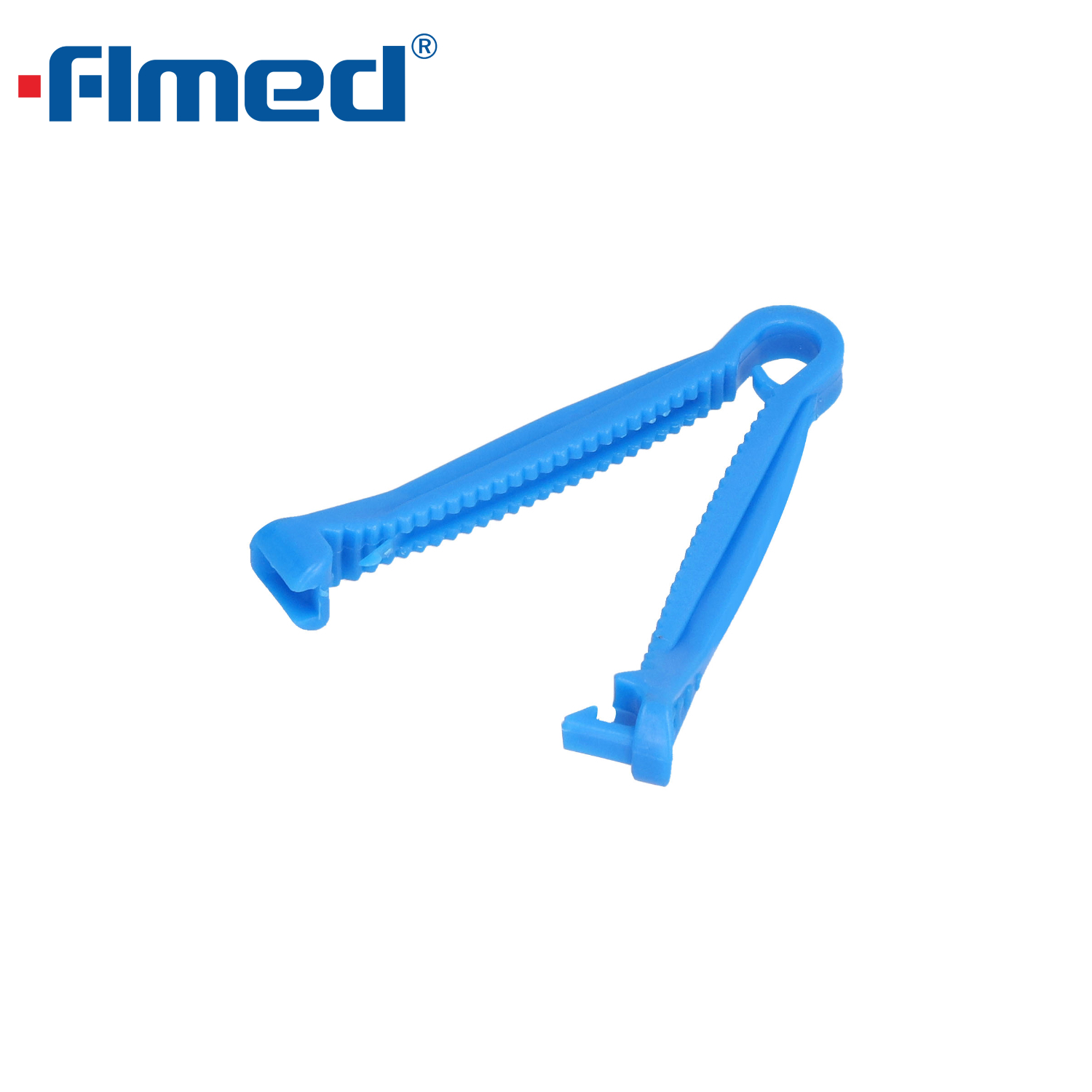
Bringing a newborn home is a joyous milestone. Yet, it inevitably introduces a steep learning curve regarding neonatal care. Picture the bustling environment of a delivery room. Amidst the emotional cries and a flurry of warm blankets, a nurse swiftly secures a small, rigid plastic clip to your newborn's belly. For many new parents, this standard piece of medical equipment looks surprisingly intimidating. Does that plastic clip cause you anxiety? You are certainly not alone in fearing to touch it.
Knowing exactly when this device should be detached stops unnecessary worry. It also prevents dangerous infections. In this comprehensive guide, we will explore the biological transition of the umbilical stump. We will detail the clinical advantages of specific clamping timeframes and outline the exact signs indicating that the clip is ready for safe removal.
Key Takeaways
Ideal Timing: A healthcare professional typically removes the device 24 to 48 hours after birth. The cord stump must be completely dried, and internal blood flow must have permanently ceased.
Initial Placement Matters: Delaying the initial application for one to three minutes after delivery is highly recommended. Global health organizations endorse this to significantly boost the infant's iron stores and overall blood volume.
Safety First: The device must only be removed using a specialized cutting tool. This ensures ultimate protection and prevents accidental pulling, tearing, or injury to the baby's delicate abdominal tissue.
Quality is Crucial: Hospitals and birthing clinics must utilize clips with the correct mechanical tension and secure locking mechanisms. This is essential to prevent postpartum bleeding and reduce the risk of hospital-acquired infections.
The Mechanics Behind the Umbilical Cord Clamp
During pregnancy, the umbilical cord serves as the vital biological lifeline between mother and fetus. It contains one large vein that delivers oxygen-rich blood and nutrients. Alongside this, two smaller arteries carry depleted blood and waste products back to the placenta. Once a baby is born and takes their first independent breath, their lungs take over the oxygenation process. This physical connection becomes biologically unnecessary.
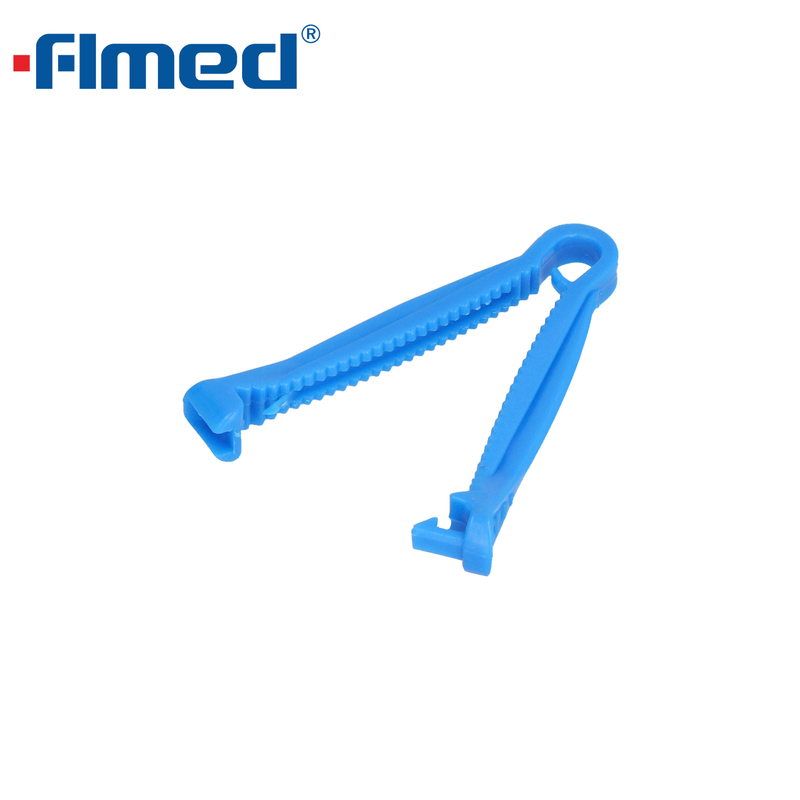
However, severing this connection requires careful medical intervention. If the cord is simply cut without being secured, the newborn faces a severe risk of bleeding from the open blood vessels. This is precisely where a high-quality Umbilical Cord Clamp becomes indispensable. Designed as a small V-shaped medical device, it pinches off the remaining stump tightly. By applying continuous pressure, it physically blocks the blood vessels. This facilitates hemostasis and protects the newborn from potential pathogens entering the bloodstream. Because the newly cut cord is an open pathway, these devices are manufactured from medical-grade plastics and must be entirely sterile before application.
Industry Trends: Late Cord Clamping vs. Immediate Intervention
For decades, standard medical practice dictated that the cord should be severed immediately after delivery. This often occurred within the first 15 to 20 seconds. In contrast, extensive clinical research has recently shifted this paradigm. Analyzing current industry trends and obstetric guidelines reveals a massive global pivot toward delayed interventions. Medical authorities now recognize that rushing this process deprives the infant of vital physiological resources.
This evidence-based shift brings Late Cord Clamping to the forefront of delivery room protocols. Waiting at least 30 to 60 seconds before applying the clip is now standard. Often, providers wait up to three minutes. This delay allows a significant volume of nutrient-rich blood to transfer from the placenta to the newborn. Clinical studies demonstrate that this placental transfusion can increase the baby's blood volume by up to 30 percent. Consequently, it dramatically improves iron stores for the first six months of life. Reducing the risk of iron-deficiency anemia is crucial for healthy neurodevelopment.
The 24 to 48-Hour Rule: When to Detach the Device
The most frequent question anxious parents ask regarding this device is exactly when it can be taken off. The standard medical guideline relies on the 24 to 48-hour rule. In the vast majority of hospitals and birthing centers, a nurse or pediatrician will detach the clip before the newborn is discharged to go home. This typically falls within this one-to-two-day window.
Understanding why this specific timeframe is chosen requires looking at the biological drying process. The cord is filled with a gelatinous substance known as Wharton's jelly. This jelly surrounds and protects the blood vessels. Once exposed to room air, Wharton's jelly begins to rapidly dehydrate and collapse. Simultaneously, the blood vessels inside the stump naturally clot and seal themselves off permanently. It generally takes 24 to 48 hours for this physiological sealing process to complete.
Furthermore, there are clinical exceptions to this standard rule. Premature babies in the Neonatal Intensive Care Unit may have their clips left on longer. Their cords can be unusually thick, or medical staff might need to place umbilical catheters. Similarly, in the case of home births, an attending midwife might leave the device in place for an extra day. They will remove it during a scheduled postpartum home visit to ensure the tissue is entirely desiccated.
Clinical Signs It Is Time for Removal
Healthcare professionals do not rely solely on the clock to determine the right moment. Instead, they look for specific clinical signs to ensure the stump is ready. Removing the device prematurely can lead to active bleeding. This requires immediate medical intervention.
Specifically, nurses and midwives evaluate a combination of visual and tactile cues before proceeding. Immediately after birth, the umbilical stump is plump, wet, translucent, and yellowish-white. As it heals, it undergoes a distinct visual transformation. A stump that is ready for removal will look shriveled and opaque. It will have turned a dark brown or black color.
Beyond visual changes, the most critical check is tactile. A healthcare provider will gently touch the base of the cord near the baby's abdomen. The tissue must feel entirely stiff, dry, and parchment-like. If the base still feels soft, fleshy, or damp, the internal vessels may not be fully sealed. Additionally, there must be absolutely no signs of active bleeding, clear fluid oozing, or wetness around the base.
![Umbilical Cord Clamp Removal Timing]()
Safe Removal Procedures: The Engineering of Clamp Clippers
A crucial directive for all new parents is that they should never attempt to pry the clip open with their fingers. You should never cut it off using household scissors. Such actions pose a severe risk of lacerating the baby's skin or tearing the healing stump. This can cause hemorrhage and invite severe infections.
Removal is strictly a professional procedure. Healthcare providers use a specialized, Sterile instrument known as a clamp clipper. These clinical tools are specifically engineered to slide safely beneath the hinge of the plastic device. They perform this action without ever coming into contact with the newborn's skin.
The process is remarkably quick and prioritizes the infant's comfort. The baby is laid flat on their back, often distracted or comforted by a parent to keep them still. The nurse aligns the sterile clipper with the hinge. With a firm squeeze, the tool cleanly snips the plastic. Once the hinge is broken, the two halves easily fall away from the dried cord without any pulling or tugging on the abdomen. Because the umbilical cord contains no nerve endings, this entire process is completely painless for the baby. It is akin to clipping a fingernail.
Post-Clamp Care: The Evidence-Based Dry Care Method
Once the mechanical clip is removed, the remaining dried stump requires minimal but highly specific care until it naturally detaches. Modern pediatric guidelines have shifted significantly regarding stump maintenance. The industry has moved away from harsh antiseptics toward the evidence-based Dry Care method.
Historically, parents were instructed to swab the base with rubbing alcohol at every diaper change. However, current research indicates that alcohol actually eradicates the beneficial bacteria that help the cord separate. This delays the natural fall-off process. Today, pediatricians strongly recommend keeping the stump clean and exposed to the ambient air. If the area becomes soiled with urine or feces, it should be gently cleaned with plain water and a soft cloth, then patted completely dry.
Friction is the enemy of a healing umbilical stump. Parents should fold the front waistband of the baby's diaper down so that it rests below the belly button. Many modern newborn diapers even feature a pre-cut notch specifically designed to allow the tissue to breathe. While the plastic clip is removed in one to two days, the stump itself takes longer to detach. It usually falls off naturally between one to three weeks after birth. Parents must let it fall off on its own and never pull it, even if it appears to be hanging by a tiny thread.
Equipment Selection Standards: A Guide for Medical Procurement
For hospital procurement teams, clinic buyers, and medical supply managers, the selection of obstetric equipment is a critical responsibility. Industry trend analysis shows a growing emphasis on infection control and ergonomic design in single-use medical plastics. While an umbilical clip may seem like a simple, low-cost consumable, product quality directly impacts patient outcomes. Utilizing sub-par equipment can lead to catastrophic failures. These include slippage, plastic breakage, or inadequate tissue compression.
The engineering behind a high-quality device relies heavily on its Clamp Force. The instrument must possess enough mechanical tension to completely compress thick, gelatinous cords. This ensures total occlusion of the umbilical arteries and vein. However, this force must be meticulously calibrated so that it does not slice through the delicate tissue.
To make the selection process transparent and actionable, here is a core comparison of standard market options versus premium medical-grade clamps.
| Specification Feature |
Standard Market Clamps |
Premium Medical Clamps |
| Raw Material |
Basic commercial plastics |
Medical-grade PE or PP, fully biocompatible |
| Locking Mechanism |
Single catch lock |
Dual-locking or definitive click-lock system |
| Inner Grip Design |
Smooth or minimal ridges |
Interlocking serrations to grip Wharton's jelly securely without laceration |
| Sterilization Standard |
Bulk packed, non-sterile options |
Individually sealed, Ethylene Oxide sterile |
| Hinge Durability |
Prone to snapping under high pressure |
Reinforced hinge engineered for clean cutting upon clinical removal |
Infection control remains paramount in maternity wards. Devices must be manufactured in cleanroom environments and packaged in individually sealed wrappers. Furthermore, the locking mechanism must be foolproof. Industry-standard clips utilize a definitive click-lock system. Once snapped shut, it cannot be accidentally reopened by friction from blankets or movement. This ensures the seal remains intact until a professional cuts it off.
Conclusion and Next Steps
The umbilical cord clip is a small but mighty tool in the first few days of a baby's life. While it may look slightly uncomfortable to new parents, it plays a vital role in ensuring a safe transition from the womb to the outside world. By practicing delayed clamping, waiting the appropriate 24 to 48 hours for the tissue to dry, and relying on healthcare professionals for safe removal, parents can rest easy.
For medical facilities, investing in premium, sterile equipment with reliable mechanical tension is the ultimate commitment to Neonatal Safety. Substandard tools compromise care and increase clinical liability. If you are looking to upgrade your maternity ward's consumables, explore the high-quality, rigorously tested options available at Forlong Medical to ensure optimal safety and performance in every delivery.
Frequently Asked Questions
Does it hurt the baby when the umbilical cord clamp is removed?
No, the procedure is completely painless. The umbilical cord contains absolutely no nerve endings. Much like cutting hair or clipping fingernails, the infant does not feel any pain when the cord is initially cut or when the plastic device is eventually removed by a medical professional.
Can I remove the umbilical cord clamp myself at home?
It is highly recommended that you never attempt to remove the device yourself. Healthcare providers utilize a specialized, sterile cutting tool designed to safely break the hinge without pulling on the healing tissue. Attempting removal at home risks severe injury, bleeding, or introducing dangerous infections to your newborn's abdomen.
What happens if the umbilical cord clamp falls off early?
If the device accidentally dislodges before the 24-hour mark, inspect the stump immediately. If there is no active bleeding, the tissue has likely dried sufficiently on its own. However, if you observe fresh blood or clear oozing, apply gentle pressure with a clean cloth and contact your pediatrician or midwife immediately for an evaluation.
How long after the clamp is removed will the stump fall off?
While the plastic device is typically removed within one to two days, the remaining dried tissue requires more time to heal. The stump will naturally detach from the baby's abdomen anywhere from one to three weeks after birth. It is crucial to let it fall off naturally without any pulling or picking.
Why did my doctor wait a few minutes before putting the clamp on?
This highly beneficial clinical practice is known as delayed cord clamping. Waiting one to three minutes allows residual, nutrient-rich blood from the placenta to flow into the newborn. This natural transfusion significantly increases their iron levels, boosts overall blood volume, and supports healthy, long-term brain development.
Can I bathe my baby while the umbilical cord clamp is still attached?
Until the stump falls off completely and the area heals, you should stick to sponge baths. Submerging the clamp and the healing stump in water can delay the drying process and increase the risk of infection. Keep the area as dry as possible to promote natural healing.
What should I do if the umbilical clamp rubs against the diaper?
Friction can irritate the healing tissue and cause discomfort. You should fold the front waistband of the diaper down so it sits below the belly button and the clamp. Many modern newborn diapers feature a pre-cut notch specifically designed to prevent this rubbing and allow the area to breathe.

 English