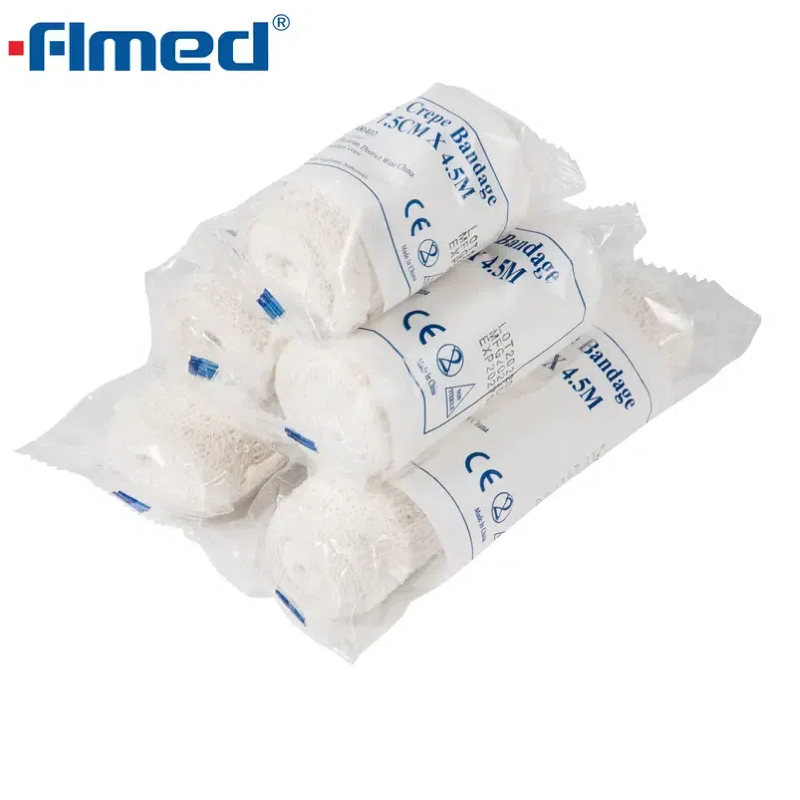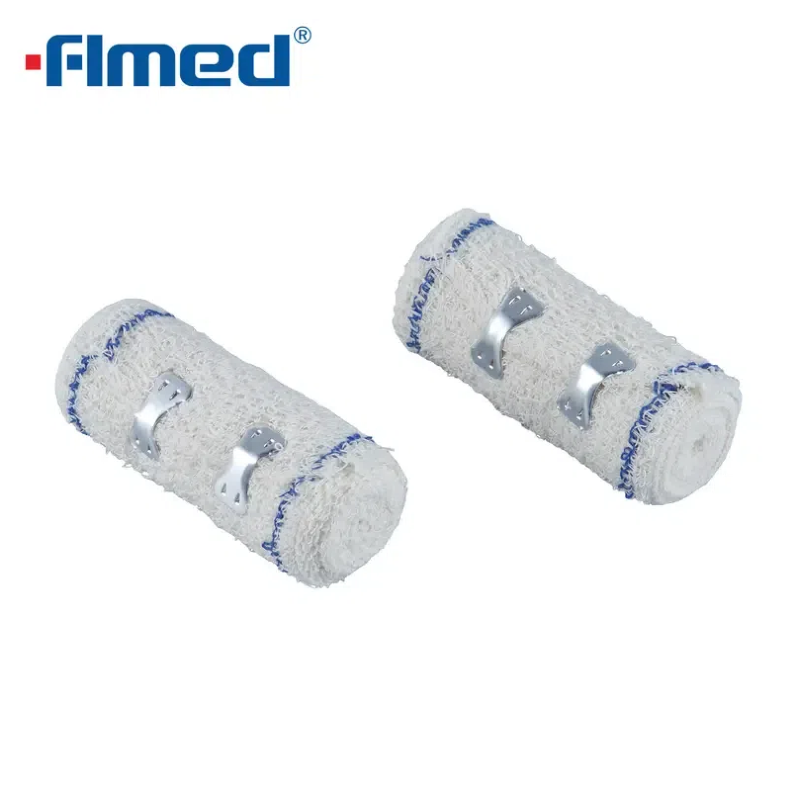
Not all bandages are created equal. Choosing the right bandage can make a significant difference in recovery from sprains and strains. From breathable crepe bandages for light support to more robust compression options, understanding your options ensures that you provide the best care for your muscles and joints. Forlong Medical offers a wide range of high-quality bandages to help you manage injuries effectively and safely, providing professional-grade support for both minor and more severe injuries.
What is a Crepe Bandage and How Does It Work?
A crepe bandage is a soft, elastic fabric bandage commonly used for mild support and light compression. Made from cotton or a cotton-polyester blend, crepe bandages are breathable, flexible, and provide gentle support to injured muscles and joints. Unlike rigid bandages or plaster-of-Paris (POP) casts, crepe bandages allow limited movement while reducing swelling and offering stabilization.
The primary function of a crepe bandage is to provide uniform compression over an affected area, which helps to control swelling, improves circulation, and promotes faster recovery. Its stretchable nature allows it to conform closely to body contours, making it suitable for areas such as the ankle, wrist, knee, and elbow. Crepe bandages are also highly versatile—they can be used in sports medicine, physiotherapy, post-surgery care, and routine first aid. In addition to support, they help secure dressings and reduce the risk of further injury during daily activities.
When to Choose a Crepe Bandage vs Other Bandages
Crepe bandages are ideal for mild sprains, minor soft-tissue injuries, and situations where light support or dressing retention is needed. For example, after a light ankle sprain, a crepe bandage can help stabilize the joint and reduce swelling without restricting movement excessively. Crepe bandages are also effective for:
Support during physical activity: When returning to light exercise after a mild injury, crepe bandages provide gentle compression to prevent aggravation.
Post-injury care: They can be applied after icing or elevating the injured area to maintain controlled pressure.
Dressing retention: Crepe bandages hold gauze and other dressings securely, especially for cuts or abrasions accompanying sprains.
However, there are situations where a crepe bandage may not be sufficient:
Moderate to severe sprains or strains: High-elastic or PBT bandages offer stronger compression and better joint support.
Fractures or broken bones: Plaster-of-Paris or fiberglass casts are necessary for full immobilization.
Poor circulation or pre-existing conditions: Patients with diabetes or vascular problems should seek clinician advice before using any compression bandage.
Using the correct type of bandage for the severity of your injury is essential. Misuse can lead to increased swelling, restricted blood flow, or delayed recovery.

How to Apply a Crepe Bandage (Step-by-Step)
Applying a crepe bandage correctly ensures that it provides support without causing additional harm. The most effective method for joints like the ankle or wrist is the figure-8 technique. Here’s how:
Prepare the area: Clean and dry the skin; if needed, apply a thin layer of padding to protect the skin.
Anchor the bandage: Start a few inches below the injury site, wrapping the bandage once around the limb to secure it.
Use figure-8 movements: Wrap the bandage in a figure-8 pattern, crossing over the joint to provide uniform compression.
Adjust tension: The bandage should be snug but not tight—ensure that circulation is not restricted (check fingers or toes for warmth and color).
Secure the end: Fasten with clips or adhesive tape to prevent slipping.
Quick Step Checklist for Ankle/Wrist
Start below the joint.
Wrap in a figure-8 pattern around the joint.
Overlap each layer by about half of the bandage width.
Maintain even tension.
Check for comfort and circulation.
Tips for safe application: Avoid wrapping too tightly, as it can restrict blood flow and cause numbness. Make sure the bandage does not bunch up or leave gaps, as uneven pressure reduces effectiveness. Always remove the bandage at night or when swelling reduces to avoid prolonged compression that could lead to skin irritation.
Alternatives: Compression, High-Elastic, and PBT Bandages
Different types of bandages suit different injury severities. Here’s a quick comparison:
Bandage Type | Main Use | Support Level | Notes |
Crepe bandage | Mild sprains, dressing retention | Light | Flexible, breathable, gentle compression |
High-elastic bandage | Moderate sprains, post-surgical support | Medium to high | Provides stronger compression, often reusable |
PBT bandage | Severe strains, rehabilitation support | High | Durable, maintains tension, ideal for repeated use |
Plaster-of-Paris | Fractures or immobilization | Very high | Hard cast, complete immobilization, not elastic |
In addition to these options, many patients benefit from combining bandages with other supportive measures such as cold therapy, elevation, or targeted physiotherapy. Understanding the right bandage type ensures that treatment is effective and that recovery is not delayed.
Buying Tips: What to Look for in a Support Bandage
When selecting a bandage, consider the following features:
Width: Wider bandages offer better coverage and support; narrow ones are suitable for smaller joints or precise wrapping.
Elasticity: The bandage should stretch enough to provide consistent compression but not so much that it loosens over time.
Washability and reusability: Many high-quality bandages are machine washable and maintain elasticity after multiple washes.
Standards and quality marks: Look for compliance with international medical standards to ensure safety, durability, and hypoallergenic materials.
Sizing: Measure the limb carefully to choose an appropriate bandage length and width. This ensures full coverage without restricting circulation.
Comfort and breathability: The material should allow the skin to breathe, reducing moisture build-up and irritation.
Proper selection not only improves recovery but also enhances user comfort, especially when bandages are worn for extended periods.
Why Choose Forlong Medical Bandages
Forlong Medical provides a complete range of high-quality bandages suitable for sprains, strains, and post-injury support. Our products meet international standards for medical safety and effectiveness, ensuring durability, comfort, and reliable compression. From lightweight crepe bandages for gentle support to high-elastic and PBT bandages for stronger compression, our products accommodate every need.
Our bandages are designed for everyday use, whether in hospitals, clinics, sports settings, or at home. With excellent quality control, reusable options, and a variety of widths and lengths, Forlong Medical ensures professional-grade support for every patient. Choosing our bandages means selecting reliability, comfort, and efficiency in one package.
Common Questions About Bandages
Can I sleep with a crepe bandage on?
It’s generally safe if the bandage is applied correctly and not too tight, but removing it at night is recommended for mild sprains.
How long should I use a crepe bandage?
For mild injuries, 2–3 days of compression with daily monitoring is typical, but consult a clinician for more severe cases.
Can I wash and reuse my bandage?
Yes, most high-quality bandages from Forlong Medical are washable and maintain their elasticity after repeated use.
What if swelling increases?
Loosen or remove the bandage immediately and elevate the limb. Seek medical advice if swelling persists or worsens.
Conclusion
Choosing the right bandage is essential for effective recovery from sprains and strains. A crepe bandage offers gentle compression for mild injuries, while high-elastic, PBT, and plaster-of-Paris bandages provide stronger support for more severe cases. Forlong Medical offers a complete catalog of high-quality bandages, designed to ensure comfort, safety, and effective compression for various injuries. Whether you need a crepe bandage for light support or advanced options for rehabilitation, our products provide reliable performance. Contact us today to learn more or request samples of our versatile bandage range.

 English