When it comes to proper wound care, selecting the right bandage can make a significant difference in healing outcomes. Understanding which dressing works best for each wound type is essential for clinics, retailers, and individual buyers. At Forlong Medical, we specialize in high-quality medical bandages designed to support everything from minor scrapes to complex injuries, helping patients recover safely and efficiently. Our products are crafted to meet international standards, ensuring durability, sterility, and patient comfort. This guide provides a clear roadmap for matching wound dressings to wound characteristics, ensuring your stock meets the needs of every patient or customer.
Basic Wound Assessment for Dressing Choice
The first step in choosing the appropriate bandage is understanding the wound itself. Not all injuries require the same care, and improper selection can delay healing or cause complications. A systematic wound assessment should consider the following:
Depth
Wound depth is a primary determinant for dressing choice. Superficial wounds such as cuts and abrasions may only need an adhesive dressing. Deeper wounds, including pressure sores or surgical incisions, may require foam, hydrocolloid, or alginate dressings to provide sufficient coverage and absorption. Assessing depth accurately allows clinicians and buyers to stock bandages that are fit for purpose and prevent unnecessary complications.
Exudate Level
Exudate is the fluid produced by a wound during healing. Mild exudate is typical for minor cuts, while moderate or heavy exudate often accompanies larger or infected wounds. Foam and alginate dressings are ideal for managing moderate to heavy exudate, whereas hydrocolloid dressings maintain moisture in wounds with low exudate. Forlong Medical’s bandages are tested for absorption capacity, making them reliable for both high and low exudate situations.
Infection Risk
Assess whether the wound shows signs of infection, such as redness, swelling, or unusual discharge. Sterile dressings are essential for wounds with high infection risk. Additionally, antibacterial dressings can help prevent contamination during the healing process. Using high-quality sterile bandages ensures patient safety and reduces the likelihood of prolonged recovery times.
Location
The wound’s location affects the type of dressing that can adhere securely. Joints or areas with frequent movement benefit from flexible bandages like foam or elastic compression bandages. Facial wounds often require gentle adhesive dressings to minimize discomfort and scarring. Forlong Medical offers a variety of shapes and sizes to suit challenging anatomical locations.
Patient Mobility
For patients who are highly mobile, dressings must remain secure despite movement. Compression bandages and cohesive foam dressings offer stability while providing necessary support to muscles and injured tissue. In contrast, non-adherent adhesive dressings are better suited for less active patients or stationary areas. Choosing the right product enhances patient compliance and overall treatment effectiveness.
Dressing Types & When to Use Them
Choosing the correct dressing depends on wound characteristics. Understanding each type and its ideal application can guide informed purchasing decisions for clinics and retail environments.
Adhesive Dressings — Minor Wounds
Adhesive bandages are designed for minor cuts, scrapes, and abrasions. They provide protection against dirt and bacteria while promoting healing. Available in various sizes, adhesive dressings are a staple for first-aid kits and small clinics. Forlow Medical’s adhesive bandages are durable, hypoallergenic, and gentle on the skin, ensuring comfort for everyday use. They also offer long-lasting adhesion, reducing the need for frequent changes.
Foam Dressings — Moderate Exudate & Cushioning
Foam dressings absorb moderate levels of exudate while offering cushioning for delicate areas. These bandages maintain a moist healing environment, reduce pressure on the wound, and prevent trauma during dressing changes. Foam dressings from Forlong Medical are highly absorbent and flexible, making them suitable for post-surgical wounds or minor pressure sores. Their softness ensures patient comfort without compromising protection.
Alginate Dressings — Heavy Exudate or Bleeding Wounds
Alginate bandages are derived from seaweed and are highly effective for wounds with heavy exudate or bleeding. They form a gel upon contact with fluid, promoting absorption and maintaining a moist environment conducive to healing. Forlong Medical provides high-quality alginate bandages that are safe for use on deep or bleeding wounds while supporting rapid recovery. Their strong absorption capacity helps reduce dressing change frequency, which can improve patient convenience.
Hydrocolloid Dressings — Low Exudate & Moisture Maintenance
Hydrocolloid dressings provide a semi-occlusive layer that preserves moisture and encourages epithelialization. Ideal for wounds with minimal exudate, such as minor burns or superficial pressure ulcers, these bandages protect against contamination while creating an optimal healing environment. Our hydrocolloid options combine flexibility and adhesion to accommodate various wound shapes. These dressings also minimize pain during removal, which is especially important for sensitive patients.
Compression Dressings — Venous Leg Ulcers & Edema
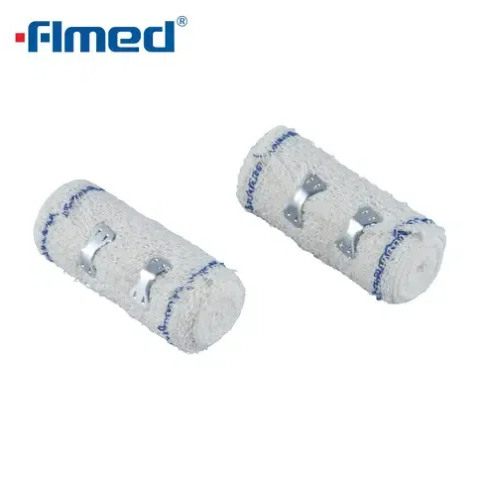
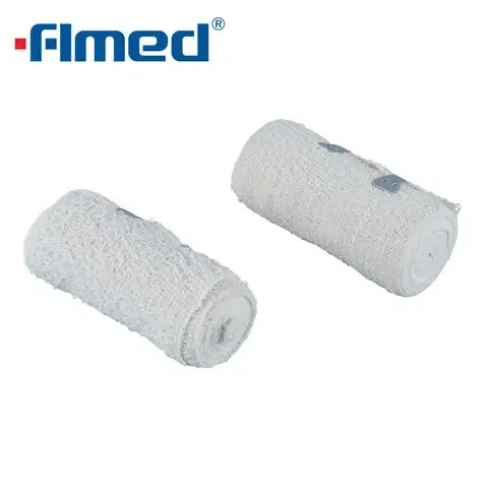
Compression bandages are specifically designed to manage venous leg ulcers, edema, and other conditions requiring pressure to control fluid accumulation. By improving circulation and supporting strained muscles, these bandages enhance healing outcomes. Forlong Medical’s compression bandages meet international standards, offering reliable pressure support for clinical and home use. They are easy to apply, durable, and help prevent recurrent swelling or discomfort.

How to Read Absorption & MVTR (Moisture Vapour Transmission)
Understanding the technical specifications of a bandage ensures optimal performance for each wound type. Two key parameters are absorption and MVTR:
Absorption indicates the amount of exudate a dressing can handle without leakage. Always check the product data sheet to ensure the bandage matches the wound’s exudate level. High-quality suppliers, like Forlong Medical, provide detailed absorption ratings for all bandage types, helping buyers select the most suitable option for their patients.
Moisture Vapour Transmission Rate (MVTR) reflects a dressing’s ability to allow moisture to escape while maintaining a moist environment. A balanced MVTR prevents maceration and promotes faster healing. EN13726 standard tests are a reliable reference for these specifications, and our bandages include this information to guide buyers in making informed choices. Knowledge of these specs helps healthcare providers and retail buyers optimize wound care outcomes.
Infection Control & Sterility: What to Check on Packaging
Sterility is critical for preventing infections, especially for deep or post-surgical wounds. When selecting bandages, verify that the packaging indicates:
Sterile or non-sterile status
Expiration date
Manufacturer certifications and quality standards
Forlong Medical bandages are produced under strict hygiene and quality controls, ensuring consistent sterility and safety for patient use. Choosing certified, high-quality bandages reduces risks for both medical professionals and home users.
Buyer Tips: Stocking for Clinics vs Retail
Proper inventory management ensures the right bandage is available for every wound type. Consider these factors:
SKU Mix
For clinics, maintain a broad range of bandages covering adhesive, foam, alginate, hydrocolloid, and compression options. Retail outlets may focus on adhesive and foam dressings suitable for first-aid kits and home use. A well-planned SKU mix improves efficiency and reduces stock shortages.
Sample Planning
Providing sample packs allows healthcare professionals or retail buyers to evaluate bandage performance before placing bulk orders. This approach reduces returns and ensures proper product selection. Samples also help demonstrate quality and build buyer confidence in the products.
Education Sheets for End-Users
Include guidance materials highlighting dressing selection, application, and care. Well-informed customers are more likely to purchase the correct bandage and achieve successful outcomes. Forlong Medical provides comprehensive product information for all bandage types, helping buyers make confident choices. This extra step supports safer and more effective wound management in both clinical and home settings.
Conclusion
Selecting the right bandage for each wound type is essential for effective healing, patient safety, and efficient stock management. From adhesive dressings for minor cuts to compression bandages for venous leg ulcers, understanding the properties and applications of each dressing ensures optimal care. Forlong Medical offers a full range of high-quality bandages, designed to meet the needs of clinics, retail buyers, and individual users. Our products provide reliable support for every stage of wound care, from minor scrapes to complex injuries. Explore our selection and discover how our bandages can improve patient outcomes. Contact us to learn more about our bandages and place your order today.

 English