When it comes to wound care, quality and comfort are of utmost importance. One product that stands out in this regard is zinc oxide plaster. In this article, we will explore the numerous benefits of using zinc oxide plaster in wound care. We will also discuss the factors to consider when choosing the right zinc oxide plaster for your needs, as well as best practices for its usage. Additionally, we will provide valuable tips to ensure maximum comfort during wound care. Whether you are a healthcare professional or someone seeking effective wound care solutions, this article will provide valuable insights into how zinc oxide plaster can help you achieve optimal results.
Benefits of Zinc Oxide Plaster in Wound Care
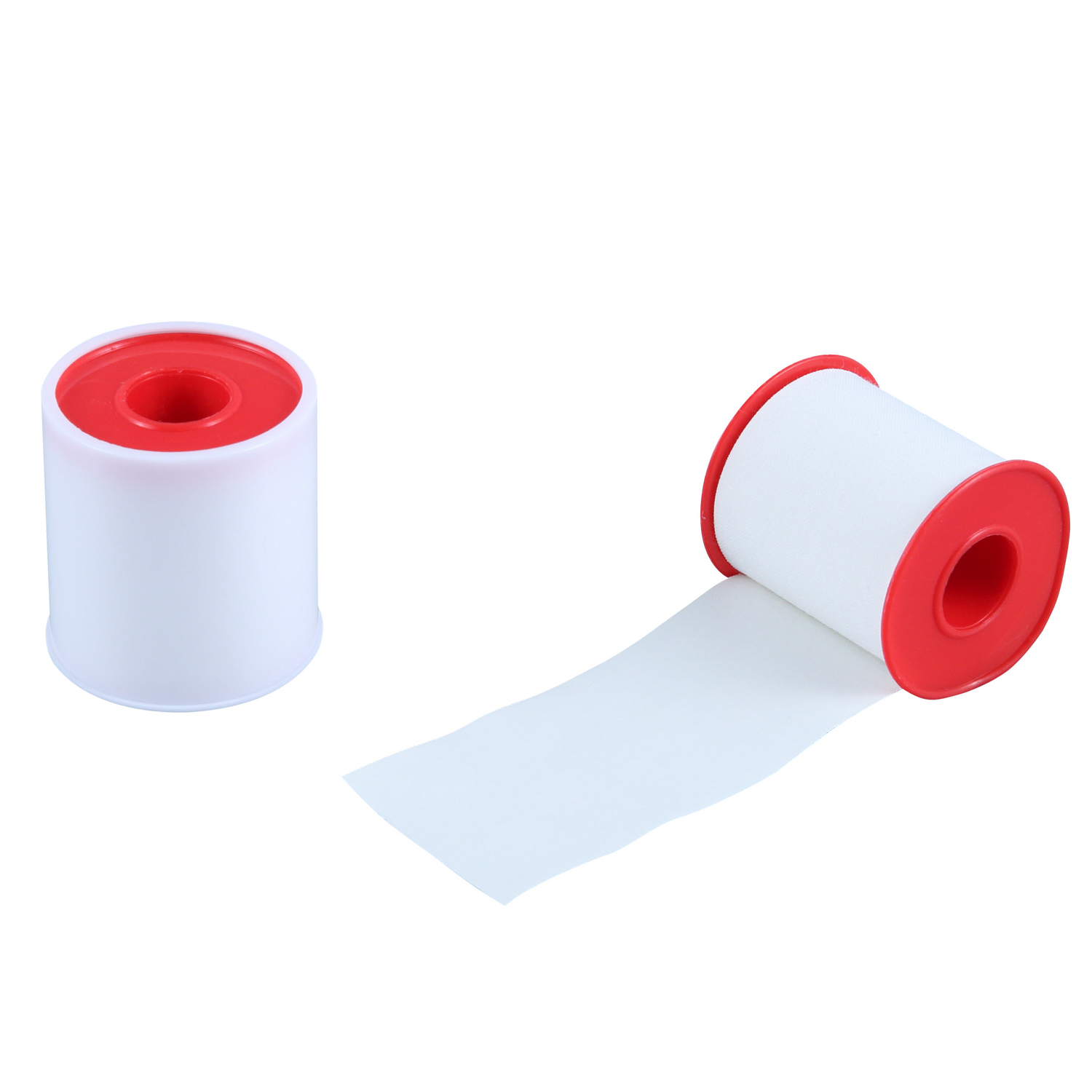
Zinc oxide plaster, a commonly used medical adhesive tape, offers numerous benefits in wound care. This versatile product has been widely recognized for its effectiveness in promoting healing and preventing infection.
One of the key advantages of zinc oxide plaster is its ability to create a protective barrier over the wound. This barrier helps to keep the wound clean and free from contaminants, reducing the risk of infection. The adhesive nature of the plaster also ensures that it stays securely in place, even in areas that are prone to movement or moisture. This makes it an ideal choice for wounds located in joints or areas that are difficult to dress.
In addition to its protective properties, zinc oxide plaster is also known for its soothing and healing effects. The plaster contains zinc oxide, a compound that has been found to have anti-inflammatory properties. This can help to reduce redness, swelling, and discomfort around the wound site, promoting faster healing. Furthermore, zinc oxide has been shown to have antimicrobial properties, which can help to prevent bacterial growth and infection.
Another benefit of zinc oxide plaster is its versatility. It can be easily cut and shaped to fit different wound sizes and shapes, making it suitable for a wide range of injuries. The plaster is also breathable, allowing air to circulate around the wound and promote healing. This can help to prevent the buildup of moisture, which can delay the healing process and increase the risk of infection.
Furthermore, zinc oxide plaster is hypoallergenic, making it suitable for individuals with sensitive skin or allergies. It is designed to be gentle on the skin, minimizing the risk of irritation or allergic reactions. This makes it a suitable choice for individuals of all ages, including children and the elderly.
Choosing the Right Zinc Oxide Plaster
When it comes to choosing the right zinc oxide plaster, there are a few important factors to consider. Zinc oxide plaster is commonly used for wound care and provides numerous benefits. However, not all zinc oxide plasters are created equal, and finding the right one for your needs is crucial.
One of the first things to look for in a zinc oxide plaster is the adhesive quality. The adhesive should be strong enough to securely hold the plaster in place, but without causing any discomfort or skin irritation. A good zinc oxide plaster will have a hypoallergenic adhesive that is gentle on the skin and does not cause any allergic reactions.
Next, it is important to consider the breathability of the zinc oxide plaster. The plaster should allow for proper air circulation to the wound, promoting faster healing. A breathable zinc oxide plaster will also prevent the accumulation of moisture, reducing the risk of infection.
Another factor to consider is the flexibility of the zinc oxide plaster. It should be able to conform to the contours of the body, ensuring a comfortable fit. This is especially important for areas that require frequent movement, such as joints. A flexible zinc oxide plaster will allow for freedom of movement without compromising its adhesive properties.
Additionally, it is essential to choose a zinc oxide plaster that is easy to apply and remove. The plaster should have a user-friendly design that allows for hassle-free application. It should also be painless to remove, without causing any skin damage or leaving any residue.
Lastly, consider the size options available for the zinc oxide plaster. Different wounds require different sizes of plasters, and having a variety of options ensures that you can choose the right size to adequately cover the wound.
Best Practices for Using Zinc Oxide Plaster
Zinc oxide plaster is a versatile medical adhesive that is widely used in various healthcare settings. It offers numerous benefits and is considered one of the best options for wound care and bandaging. In this article, we will explore the best practices for using zinc oxide plaster to ensure optimal results and patient comfort.
First and foremost, it is essential to properly clean and dry the affected area before applying the zinc oxide plaster. This will help to remove any dirt, debris, or moisture that may interfere with the adhesive properties of the plaster. A clean and dry surface will ensure that the plaster adheres securely and stays in place for an extended period.
When applying the zinc oxide plaster, it is crucial to consider the size and shape of the wound. Cut the plaster to the appropriate length and width, ensuring that it covers the entire wound adequately. The edges of the plaster should extend beyond the wound to provide additional support and prevent any potential leakage.
To enhance the adhesive properties of the zinc oxide plaster, gently warm it with your hands before applying it to the skin. This will help to activate the adhesive and ensure a secure bond. It is important to apply the plaster smoothly and evenly, avoiding any wrinkles or folds that may compromise its effectiveness.
Zinc oxide plaster is known for its excellent breathability, which allows for proper airflow and aids in the healing process. However, it is essential to regularly check the plaster to ensure that it remains intact and does not become saturated with exudate or other fluids. If the plaster becomes damp or soiled, it should be replaced promptly to prevent any potential infections or complications.
When removing the zinc oxide plaster, it is crucial to do so gently to avoid causing any additional trauma to the wound. Slowly peel off the plaster in the direction of hair growth, taking care not to pull it too forcefully. If the plaster sticks to the wound or surrounding skin, it can be moistened with warm water to facilitate easier removal.
Tips for Ensuring Comfort during Wound Care
Wound care is an essential aspect of maintaining proper hygiene and promoting healing. Whether you have a minor cut or a more serious wound, ensuring comfort during the healing process is crucial. One effective way to achieve this is by using zinc oxide plaster, which provides numerous benefits for wound care.
Zinc oxide plaster is a versatile adhesive tape that is commonly used in the medical field. It is known for its strong adhesive properties and ability to stick firmly to the skin, ensuring that the wound remains protected and secure. The adhesive nature of zinc oxide plaster helps to keep the wound covered and prevents it from being exposed to external elements that could potentially hinder the healing process.
In addition to its adhesive properties, zinc oxide plaster also offers excellent breathability. This means that air can circulate freely around the wound, allowing it to breathe and reducing the risk of infection. By promoting airflow, zinc oxide plaster creates an optimal environment for wound healing, ensuring that the wound remains clean and free from bacteria.
Moreover, zinc oxide plaster is hypoallergenic, making it suitable for individuals with sensitive skin. It is designed to minimize the risk of allergic reactions or skin irritation, providing comfort and peace of mind during the healing process. This is particularly important as skin sensitivity can often be a concern when dealing with wounds. With zinc oxide plaster, you can be confident that your skin will remain protected and irritation-free.
When using zinc oxide plaster for wound care, it is essential to follow a few tips to ensure maximum comfort. Firstly, clean the wound thoroughly before applying the plaster to minimize the risk of infection. Secondly, ensure that the plaster is applied smoothly and firmly to the skin, covering the entire wound area. This will prevent any movement or displacement of the plaster, allowing it to effectively protect the wound.
Lastly, it is important to change the zinc oxide plaster regularly to maintain cleanliness and ensure proper wound care. Regularly inspect the plaster for any signs of wear or moisture accumulation. If the plaster becomes dirty or loses its adhesive properties, replace it immediately to prevent any complications.
Conclusion
Zinc oxide plaster is a reliable and effective option for wound care and bandaging. It offers a range of benefits such as protective, soothing, and antimicrobial properties. It is versatile, hypoallergenic, and promotes healing while preventing infection. When choosing a zinc oxide plaster, factors such as adhesive quality, breathability, flexibility, ease of application and removal, and size options should be considered. Following best practices, such as cleaning and drying the area before application, cutting the plaster to the appropriate size, warming it before use, and regularly checking for signs of moisture or soiling, can ensure optimal results and patient comfort. Zinc oxide plaster provides strong adhesion, breathability, and hypoallergenic properties, contributing to faster healing and improved patient outcomes. Prioritizing proper wound care and using zinc oxide plaster can promote optimal wound healing and ensure a comfortable experience throughout the process.

 English