You will find different rules for importing medical devices and medical consumables in each country and region. To finish the import process, you need the right certification. You also need to collect the correct documents and get an import license or permits. Customs often ask for a certificate of origin, approval from regulators, and product safety information. The table below lists common documents needed to export medical devices:
Document Type | Description |
|---|
Trade Invoice and Packing List | Needed for customs checks and to figure out import taxes. |
Certificate of Origin | Shows where the product is made, needed for trade deals and customs checks. |
Regulatory Approval or Export License | Proves the product follows local rules and safety laws. |
Product Specifications and Safety Data | Gives details about the medical devices to show they are safe and good quality. |
Shipping Documents | Matches with world shipping rules for easy transport. |
Customs Entry Forms | Some places need special forms like the Single Administrative Document (SAD). |
You must follow local rules for certification, certificates, and import permits. This helps you avoid delays or having your shipment sent back. Forlong Medical always follows world rules and helps you with all import licenses and certification steps.
Key Takeaways
Learn the import rules for each country. Every place has its own certification and paperwork needs.
Always look for the right certifications before you import. This means things like FDA approval in the U.S. and CE marking in Europe.
Get all the needed papers ready early. If you forget something, your shipment can be delayed or sent back.
Keep up with local rules. Rules can change fast, so check with the right offices often.
Choose good partners to work with. Local experts can help you with the import steps.
Global Import Regulations for Medical Consumables
Common Certifications and Standards
You need to know about important certifications and standards before importing medical consumables. These standards show your products are safe and meet quality rules in each country. You must get the right papers and certificates to pass customs and get import licenses.
Here is a table that lists well-known certifications and standards for importing medical devices:
Certification/Standard | Description | Region of Relevance |
|---|
ISO 13485 | International standard for quality management systems in the medical device industry. It focuses on risk management and patient safety. | Europe, United States, Israel |
CE Marking | Shows that your product meets EU safety, health, and environmental protection standards. | Europe |
FDA Regulations | Sets quality system regulations for medical devices in the United States. You must follow rules for establishment registration and labeling. | United States |
You often need to give a certificate of origin, proof you follow these standards, and other papers. These certificates and documents show your products meet the quality rules needed for import. Always check the newest rules for each country because they can change fast.
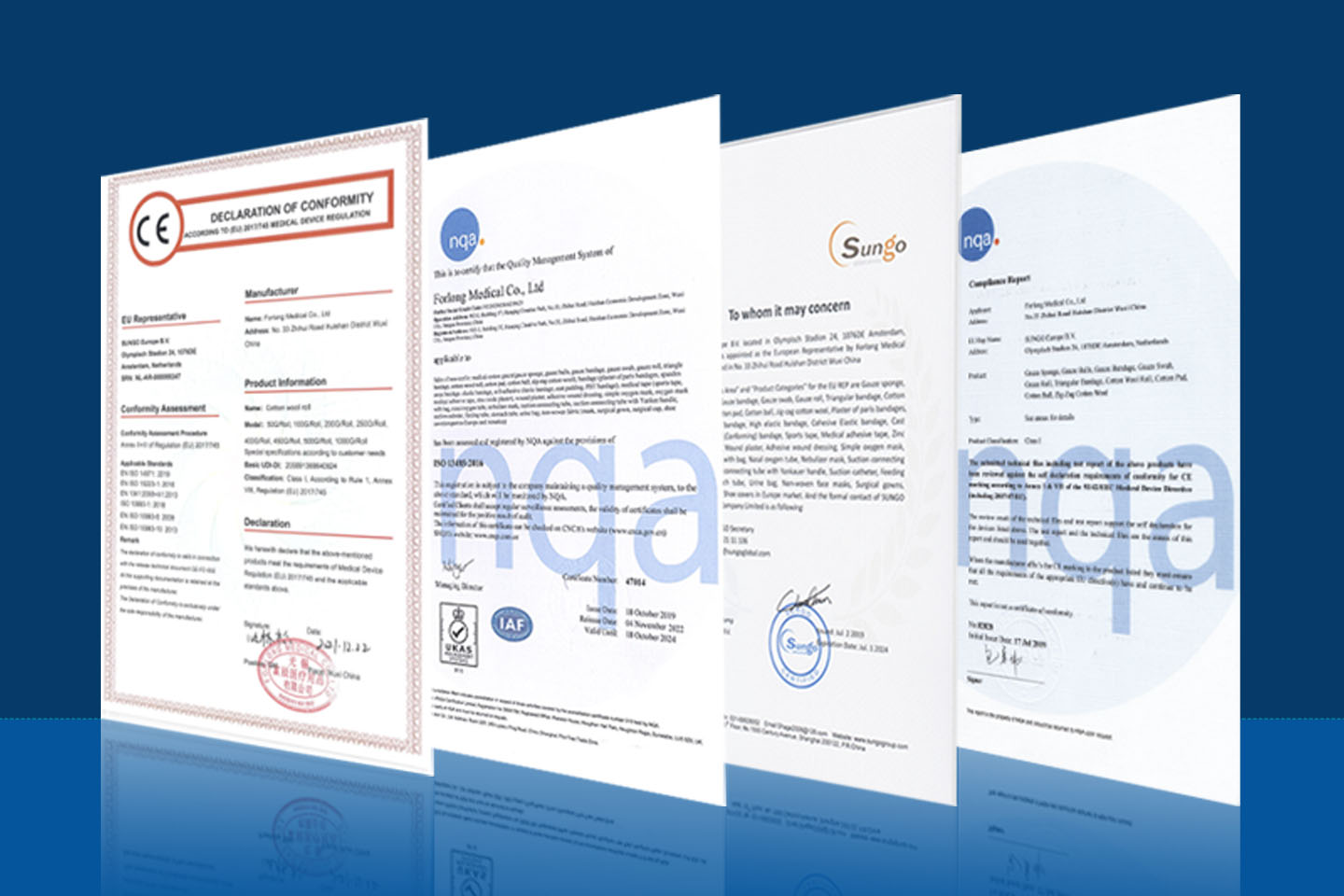
Forlong Medical follows international standards very well. The company has EC REP and EUDAMED UDI registration. This means Forlong Medical can give an EU Declaration of Conformity and EUDAMED registration details for its products. These papers prove Forlong Medical’s medical consumables meet strict European rules and quality standards.
Compliance Requirement | Description |
|---|
EU Declaration of Conformity | A legal document that confirms the product meets MDR and other directives. It includes product identifiers and manufacturer details. |
EUDAMED Registration | Registration in the EUDAMED database. It requires actor registration, product details including UDI, and the correct EMDN code. |
Tip: Always ask your supplier for these certificates and papers before you start importing. This step helps you avoid delays and problems with customs.
Key Regulatory Authorities
You need to know the main groups that control importing medical consumables. These organizations make the rules for certification, import licenses, and permits. They check your papers and certificates to make sure your products meet the standards.
FDA: This agency approves and regulates medical devices in the United States.
European Commission's MDR: This group makes strict rules for medical devices in the European Union. It checks safety and performance.
Therapeutic Goods Administration (TGA): This authority controls medical devices in Australia. You must finish conformity checks for approval.
Central Drugs Standard Control Organization (CDSCO): This group manages medical device rules in India. It checks safety and registration.
National Medical Products Administration (NMPA): This agency controls medical devices in China. It sorts products by risk and function.
Always check the official websites of these groups for the newest updates on rules and procedures. This helps you follow the rules and avoid problems when importing.
Note: Forlong Medical’s EC REP and EUDAMED UDI compliance shows you can trust their products to meet world quality standards. This makes importing easier and more dependable.
North America Import Requirements
United States FDA Regulations
If you want to bring medical consumables into the United States, you must follow FDA rules. The FDA has strict rules for these products. You need to meet performance standards and use the right labels. If your product gives off radiation, you must send in safety reports. You have to give information about where your product comes from, its code, and who made it. You must register your company and list your devices with the FDA. You also need to follow quality rules and keep good records. If you import things like hypodermic needles or medical gauze from Forlong Medical, you must make sure the labels are correct and you have the right certificates. You also need to follow rules for reporting problems and keep files about complaints. Many devices need FDA marketing approval. Always check the newest rules before you import medical devices.
Requirement Type | Description |
|---|
Performance Standards | You must follow special rules for how medical devices work. |
Labeling | All labels must follow FDA rules for words and details. |
Import Entry Information | You must give the country of origin, product code, and maker’s name. |
Establishment Registration and Device Listing | You must sign up with the FDA and keep your registration up to date. |
Quality System Regulations | You must use quality checks as the FDA says. |
Import Documentation | You must keep all import papers and customs records. |
Tip: Always make sure your certificates and import licenses are not expired before you ship.
Canada MDEL and Health Canada
Canada uses a system that looks at risk when importing medical devices. First, you must decide what class your device is. For Class I devices, you need a medical device establishment license. For Class II, III, and IV devices, you need a Medical Device License. You must get your device details, safety data, and proof of quality ready. You send your application to Health Canada. They check it based on the device class. After they say yes, you get your license or approval. You must watch how your device works and report any problems. Forlong Medical’s gauze and wound care products fit these groups. You must make sure all packages have both English and French labels, especially for Québec. Customs needs you to fill out Form B3 and give all needed papers, like a commercial invoice and certificate of origin.
Decide your device’s risk class.
Sign up for an MDEL or ask for an MDL.
Get your papers ready and send them to Health Canada.
Watch your device and report any problems.
Make sure labels are in two languages and finish customs steps.
Mexico COFEPRIS Compliance
Mexico has COFEPRIS rules for importing medical consumables. You must find out your device’s class and pick a Mexico Registration Holder. You need to get a technical file ready and send it to COFEPRIS. After they check it, you get a sanitary registration. This is needed to import and sell your product. You must also get import permits and give all needed papers, like an import declaration and MRH legal documents. Forlong Medical’s cotton and wound care products need these steps to be imported legally.
Documentation Type | Description |
|---|
Sanitary Registration | A code from COFEPRIS that lets you import medical devices. |
Import Declaration | Needed for customs, it lists the device, amount, and HS code. |
Import Permits | You ask for these online, they last 180 days, and are needed for customs. |
MRH Documentation | These are legal papers like a Letter of Authorization and Power of Attorney for the MRH. |
Note: Always follow the newest medical device rules and keep your certificates and permits current so you can import without problems.
European Union Medical Consumables Import
CE Marking and EU MDR
If you want to bring medical consumables into the European Union, you must follow strict rules. All medical consumables need CE marking. This mark shows your products are safe and meet EU health and environmental rules. You must have papers that prove you follow these rules. The EU Medical Device Regulation (MDR) tells you how to keep following the rules. You must make sure your certificates are always up to date. You also need to update your papers when needed.
CE marking lets you sell your products in the European Economic Area without limits. It tells people your products are safe and meet health standards. You must say your products follow EU rules and keep good quality all the time. The MDR says you must check your products and tell about any problems. You must keep your import licenses and permits valid.
Benefit | Description |
|---|
Trade without restrictions | You can import ce marked products freely within the EEA. |
Health and safety assurance | You provide a consistent level of protection for consumers across the EEA. |
Forlong Medical follows these rules by having EC REP and EUDAMED UDI registration. You can ask for these papers to help with your import. These papers show Forlong Medical’s products meet EU quality and certification rules.
Country-Specific Import Rules
Every EU country can have its own rules for importing. You must check each country’s standards, permits, and licenses before you ship. Some countries want extra papers or special certificates. You must follow each country’s rules for labels and product registration. You must keep your import licenses and permits up to date for every country.
You must get all your papers ready for customs. You need certificates, product details, and safety data. You must check the newest rules for each country. You should talk to local officials so you do not have delays. You must make sure your products follow both EU and country rules.
Tip: Always ask your supplier for EC REP and EUDAMED UDI papers. This helps you follow the rules and avoid problems when importing.
Asia-Pacific Import Regulations
You need to know the import rules in Asia-Pacific. Every country has its own rules and paperwork. You must follow the rules from the main regulatory groups. The table below lists the main authorities for importing medical consumables:
Country | Regulatory Body | Description |
|---|
China | State Food and Drug Administration (SFDA) | Regulates both domestic and imported medical devices. |
Japan | Pharmaceutical and Medical Device Agency (PMDA) and Ministry of Health, Labor, and Welfare (MHLW) | Work together to assess and regulate medical devices. |
India | Central Drugs Standard Control Organization (CDSCO) | Oversees medical devices under the Ministry of Health and Family Welfare. |
Australia | Therapeutic Goods Administration (TGA) | Monitors therapeutic goods to ensure acceptable standards for sale and use. |
China NMPA and CIQ
You must sign up your medical consumables with the National Medical Products Administration (NMPA). China asks for a Medical Device Registration Certificate (MDRC). You need approval from your home country before you apply. The China Inspection and Quarantine (CIQ) checks your shipment at the border. You must give papers like certificates, product standards, and safety data. Forlong Medical’s Medical Cotton and Wound care products must follow these rules to pass import checks.
Japan PMDA and MHLW
Japan has strict rules for importing medical consumables. The PMDA and MHLW check your products for safety and how well they work. You must give papers that show you follow Japanese rules. You need to show product standards, quality certificates, and safety details. You must keep your import licenses up to date and follow all label rules.
India CDSCO and International Certifications
India’s CDSCO controls the import of medical consumables. You must sign up your products and give papers that show you follow Indian rules. You need to send safety data, product certificates, and proof of quality. International certificates help you meet CDSCO rules. Forlong Medical’s wound care products must follow these rules to be imported.
Australia TGA Requirements
Australia lets you import medical consumables if you follow TGA rules. You must get TGA consent for devices that do not meet safety and performance rules. You need to give papers like certificates, product details, and safety reports. The TGA checks your products before you can sell them.
Tip: Always check the newest rules and keep your papers ready for each country. This helps you avoid delays and makes importing easier.
Middle East & Africa Import Compliance
If you want to bring medical consumables into the Middle East or Africa, you must follow strict sanitary rules. Every country has its own group that checks these rules. The table below shows the main authorities you should know:
Regulatory Authority | Country |
|---|
Ministry of Health and Prevention (MOHAP) | United Arab Emirates (UAE) |
South African Health Products Regulatory Authority (SAHPRA) | South Africa |
UAE MOHAP Certification
To import medical consumables into the UAE, you must sign up your products with MOHAP. You need to send a full technical file. This file has product details, safety data, and proof you follow sanitary rules. You also need a Certificate of Conformity from the SABER system. This certificate shows your products meet all sanitary standards. Forlong Medical’s wound care and medical cotton can enter the UAE if you do these steps. Always work with a local helper who knows the import process and can help with paperwork.
Saudi Arabia SFDA Registration
Saudi Arabia uses the SFDA to control medical consumable imports. You must follow SFDA sanitary rules and register your products before you import them. The SABER system asks for a Product Certificate of Conformity (PCoC) and a Shipment Certificate of Conformity (SCoC). These certificates show your products meet sanitary standards. You should get a technical file ready and work with a SASO-approved group. Forlong Medical’s hypodermic and gauze products meet these rules, so importing is easier.
South Africa SAHPRA Rules
South Africa’s SAHPRA checks the sanitary import of medical consumables. You must sign up your products and give all needed sanitary papers. SAHPRA looks at your technical file, product safety, and if you follow local rules. You should work with local partners to help with importing. Forlong Medical’s wound care and medical gauze can be brought in if you follow these steps.
Tip: Always keep your sanitary certificates current and keep good records. This helps you avoid delays or legal trouble when importing.
Practical Steps for Compliance:
Work with local partners to follow sanitary rules.
Make sure all sanitary papers are correct and complete.
Get Halal certification if you need it for your products.
Change your products to fit local needs, like single-use items.
If you follow these steps, you can bring Forlong Medical’s products into the Middle East and Africa without problems.
Latin America Medical Consumables Import
If you want to bring medical consumables into Latin America, you must follow each country’s rules. Brazil, Argentina, and Chile have their own agencies and steps for import. You need to get the right documents and certificates before you start.
Here is a table that shows the main documents you need for these countries:
Document Type | Brazil (ANVISA) | Argentina (ANMAT) | Chile (ISP/ANDID) |
|---|
Registration Form (HELENA) | Required | Required | Required |
Certificate of Free Sale (CFS) | Required | Required | Required |
GMP Certificate / ISO 13485 | Required | Required | Required |
Technical File | Required | Required | Required |
Risk Management Report (ISO 14971) | If applicable | Class II+ | Required |
Labeling (per local specs) | Required | Required | Required |
Instructions for Use (IFU) | Required | Required | Required |
Test Data / Reports | Required | Required | Required |
Declaration of Conformity | Required | Required | Varies |
Digital Signatures | Required | Required | Required |
Brazil ANVISA
You must sign up your medical consumables with ANVISA before you import them. You need a Certificate of Free Sale, a GMP certificate that matches ISO 13485, and a technical file. You also need test reports and clear labels. ANVISA checks your papers and gives you approval to import. You should keep all records ready for customs checks. Forlong Medical’s products meet these world standards, so you can finish import steps easily.
Argentina ANMAT
In Argentina, you must send all your papers through the HELENA system. You need a Certificate of Free Sale, a GMP certificate, and a risk management report for some products. You must pick an Argentina Authorized Representative to help with registration and import. All papers must be in PDF format. ANMAT looks at your application and gives you permission to import. Forlong Medical’s focus on ISO 13485 and quality helps you with importing.
Chile ISP
Chile wants you to sign up your medical consumables with ANDID, under the ISP. You must give a technical file, test data, and proof of safety. The agency checks your papers and gives you approval to import. You must follow local label rules and keep your certificates current. Forlong Medical’s products meet these rules, so importing is easier for you.
Note: Always check the newest rules for each country before you start importing. Forlong Medical gives you up-to-date certificates and helps you follow the rules, so you do not have delays.
Compliance Steps for Importers
Verifying Certification Requirements
You need to check every certification before importing. This keeps you safe from fake papers and helps you follow the rules. Here are steps to check certification for medical consumables:
Look up all medical device certifications with the official group. Do not just trust what the supplier says.
For CE marking, use the EUDAMED database. Ask for the Declaration of Conformity and technical papers for Class I devices.
For FDA registration, search the FDA 510(k) database. Make sure your product is listed and the details match.
For ISO 13485, contact the group that gave the certificate. Do not only take certificates from the supplier.
Ask for product test reports. Check all safety data and make sure the papers match the product you want to import.
Tip: Always write down your steps when you check certifications. This helps you answer questions from customs or other officials.
Preparing Documentation
You must get all your papers ready for every import. If you miss a paper, your shipment can be delayed or even sent back. Use this checklist to keep your papers in order:
Sanitary registration: Send this through your approved distributor or registration holder.
Import permits: Get the right permit for your use, like for doctors or research.
Legal papers for doctors: If you import for clinics, show proof that no similar product is sold locally.
Certificate of origin: Show where your product was made.
Technical file: Add product details, safety data, and test results.
Labels and instructions: Make sure these are in the local language and follow the rules.
Keep all your papers in both digital and paper form. Store them in a safe place so you can find them fast during customs checks.
Note: Forlong Medical helps you with all paperwork. You can ask them for any certificates or technical files you need.
Avoiding Common Pitfalls
Many importers have problems because they miss small things. You can avoid these mistakes by following good habits. Look at the table below to see common problems and how to fix them:
Pitfall | Description | Solution |
|---|
Mislabeling | Wrong labels can cause delays, fines, or recalls. | Use clear and correct labels that follow all rules. |
Inadequate documentation | Missing papers slow down customs and cost more money. | Keep all permits and licenses up to date. |
Misclassification of products | Using wrong codes raises tariffs and costs. | Use the right Harmonized System (HS) codes for your products. |
You should also:
Check all labels for mistakes before you ship.
Update your papers often to match new rules.
Work with local experts or officials to check your paperwork.
Tip: Make a checklist for every shipment. This helps you track your stock, keep up with maintenance, and get ready for checks.
Checklist Item | Description |
|---|
Inventory and Asset Tracking | Keep a list of all medical consumables and link them to their certificates and records. |
Preventive Maintenance and Inspection | Plan regular checks and keep all inspection records ready. |
Staying Survey Ready | Practice inspections and keep your papers organized for audits. |
You can use Forlong Medical’s way as an example. The company keeps all certificates up to date, prepares technical files, and helps clients with every import step. Always check with local officials to make sure you follow the latest rules.
Certification Requirements Summary Table
It is important to know what you need before importing medical consumables. This table gives you a simple way to check what certifications and documents are needed for each place. You can use it to quickly see what you must do before you start importing.
Region/Country | Certification Needed | Documentation Required | Regulatory Authority | Notes |
|---|
United States | FDA Approval, ISO 13485 | Device listing, safety data, import entry forms | FDA | Labels must follow FDA rules. |
Canada | MDEL/MDL, ISO 13485 | Technical file, bilingual labels, Form B3 | Health Canada | Risk class decides license type. |
Mexico | COFEPRIS Registration | Sanitary registration, import permits, MRH docs | COFEPRIS | Import needs a local holder. |
European Union | CE Marking, EC REP, EUDAMED UDI | Declaration of Conformity, technical file | European Commission | Rules can change by country. |
China | NMPA Registration | MDRC, product standards, safety data | NMPA | CIQ checks at the border. |
Japan | PMDA/MHLW Approval | Product standards, quality certificates | PMDA/MHLW | Labels must fit local rules. |
India | CDSCO Registration | Safety data, product certificates | CDSCO | International certification helps. |
Australia | TGA Approval | Technical file, safety reports | TGA | Consent needed for some devices. |
UAE | MOHAP Certification | Technical file, SABER certificate | MOHAP | Local partner is a good idea. |
Saudi Arabia | SFDA Registration | PCoC, SCoC, technical file | SFDA | SABER system is required. |
South Africa | SAHPRA Registration | Technical file, safety papers | SAHPRA | Local partner helps with import. |
Brazil | ANVISA Registration | GMP certificate, technical file, CFS | ANVISA | Keep records for customs. |
Argentina | ANMAT Registration | GMP certificate, risk report, HELENA docs | ANMAT | Use an authorized representative. |
Chile | ISP/ANDID Registration | Technical file, test data | ISP/ANDID | Follow local labeling rules. |
Tip: Always check the newest rules for each country. Keep your papers neat and current. This table helps you remember what you need so you do not miss anything.
You can use this checklist to make importing easier. Look at each requirement before you ship medical consumables. If you need help, Forlong Medical can guide you with certification and paperwork.
You need to check and follow all certification rules before you import medical consumables. This keeps patients safe and makes sure your business follows FDA and world rules. If you skip these steps, your shipment might get rejected. You could lose money or your products could go bad. You should always ask local officials for the latest rules and do these things:
Forlong Medical can help you with rules and paperwork. If you follow the rules early, you will not have big delays and your supply chain will stay strong.
FAQ
What documents do you need to import medical consumables?
You need to get certificates of origin, regulatory approvals, technical files, and import permits. Customs might also ask for safety data and product details. Always look at local rules before you ship anything.
How can you verify a supplier’s certification?
You should ask for the real certificates and check them in official databases. Forlong Medical gives EC REP and EUDAMED UDI papers for EU imports.
Do you need different certifications for each country?
Yes. Every country has its own rules. You must get local certifications, like FDA approval for the United States or CE marking for the European Union.
Tip: Always talk to local officials to learn the newest certification rules.
Can Forlong Medical assist with import paperwork?
Forlong Medical helps you with paperwork, technical files, and following the rules. You can reach out to their team if you need help with certificates or other requirements.
 English