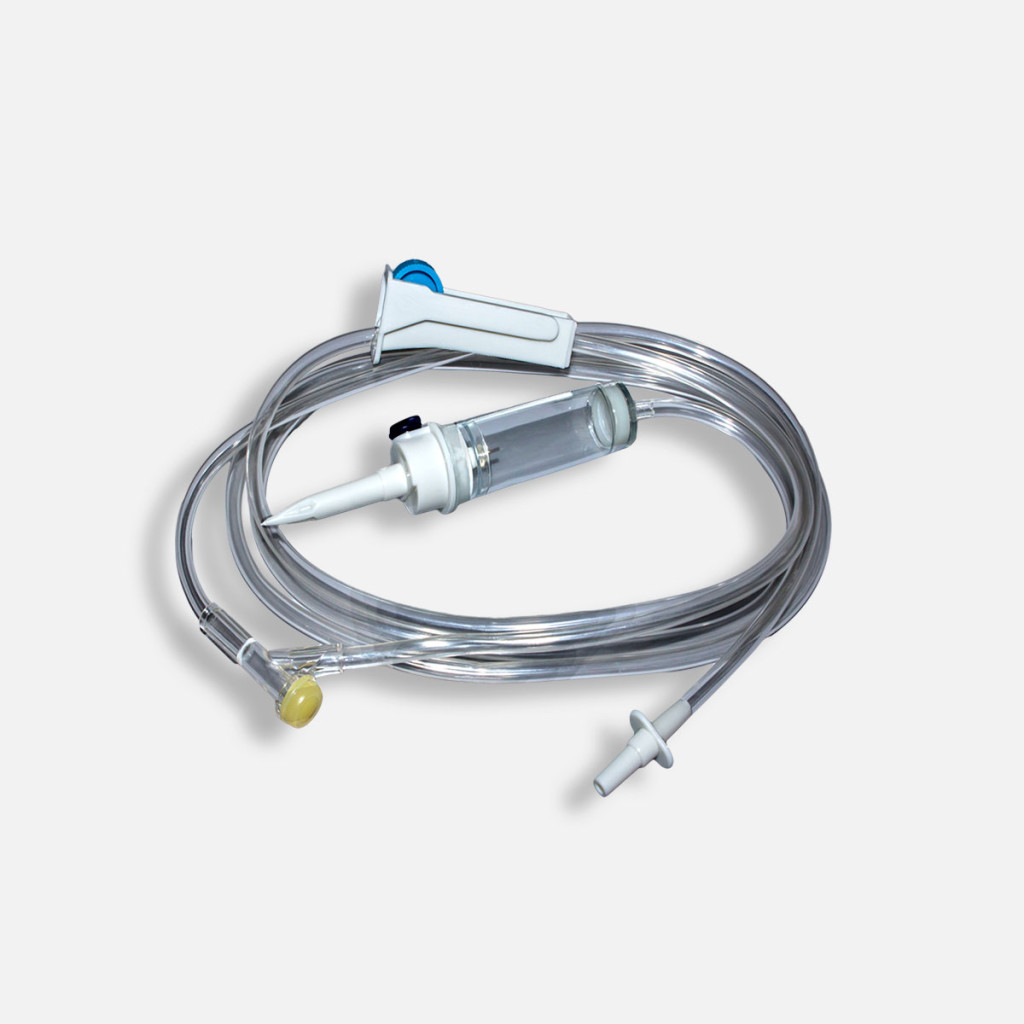
You have new problems when picking medical disposable suppliers in 2026. Hospitals now care more about being green and using digital tools to make better choices. You want medical products that follow tough rules for quality and safety. Medical supplies must help stop infections and let your healthcare team give better care. Hospitals want suppliers who give good service, new ideas, and follow the rules. Buying medical supplies now links to clinical procedures, which helps you save money and make patients healthier.
Key Takeaways
Hospitals care most about quality and safety when picking medical disposable suppliers. Pick suppliers who follow strict rules to keep patients safe.
Eco-friendly materials are very important in 2026. Find suppliers who use biodegradable products to help the environment.
Supplier reliability is very important. Make sure your supplier can deliver on time and help in emergencies to keep patients safe.
Think about the total cost, not just the first price. Hidden costs can change your hospital's budget and patient care.
Keep up with compliance and certification rules. Check your suppliers' papers often to make sure they follow the latest standards.
Quality Standards for Medical Supplies
Infection Control in Hospitals
Hospitals want to keep everyone safe from germs. In 2026, they use strict rules for medical supplies. These rules help stop germs from spreading. Single-use products are very important for infection control. When you use something once and throw it away, you lower the chance of spreading germs. These items are packed in clean, germ-free packages. This helps keep everything very clean. Using single-use medical supplies makes it easier to protect patients and workers from getting sick.
Forlong Medical has many disposable products that help stop infections. You can get things like respiratory care items, medical gauze, medical cotton, hypodermic devices, and urology products. All these products are made to be used one time. They are made from special medical materials. This helps you follow the rules set by health leaders and keeps your hospital safe.
Tip: Always make sure your medical disposables are clean and for one-time use. Doing this can help stop infections and help patients get better.
Regulatory Compliance for Medical Products
You need to know your medical suppliers follow the newest rules. In 2026, hospitals want suppliers who meet world quality standards. These rules make sure every medical product is safe and works well. Here are some important standards you should know:
ISO 13485 – Quality management systems for medical devices
ISO 14971 – Risk management for medical devices
ISO 11135 – Sterilization using ethylene oxide
ISO 11607-1 – Packaging requirements for sterile medical devices
ISO 11137-1 – Sterilization using radiation
Forlong Medical meets important world rules. The company has EC REP and EUDAMED UDI approval. This means you can trust their products in Europe. These awards show they care about quality and following rules.
Hospitals also want suppliers to watch for risks and keep good records. You want your supplier to find dangers, control risks, and tell you about problems fast. Forlong Medical does these things, so you can trust their products are safe and work well.
When you pick good medical supplies, you help stop infections and keep patients safe. Hospitals now use more protective things like gowns, gloves, and drapes. These items are needed for clean procedures and stopping germs. Single-use supplies are now more than half of all medical disposables in hospitals. This shows hospitals care about safety and saving money.
By working with suppliers like Forlong Medical, you make sure your hospital follows the best rules for quality, safety, and stopping infections.
Sustainability in Disposable Plastic Products
Eco-Friendly Materials and Waste Reduction
In 2026, people worry more about the environment. Hospitals want suppliers who use eco-friendly materials in disposable plastic products. You want your supplier to use medical-grade materials that are safe and better for the earth. Many hospitals ask suppliers how they cut down on plastic and medical waste. You check if suppliers use materials that break down fast or come from things that grow back.
Here is a table of common eco-friendly materials used in medical disposable plastic products:
Material Type | Description | Applications |
|---|
Polylactic Acid (PLA) | Made from renewable sources like cornstarch and sugarcane. | Medical implants, orthopedic devices, drug-delivery systems |
Polyhydroxyalkanoate (PHA) | Developed using microorganisms to create a biodegradable polymer. | Surgical sutures, surgical meshes |
You find these materials in many disposable items. These include surgical drapes, gowns, procedure kits, covers, and packaging. Forlong Medical uses medical-grade materials for its disposable plastic products. This helps your hospital reach its green goals and care for the planet.
Hospitals also look at ways to cut down waste. You want suppliers who:
Use reusable medical supplies and equipment when they can.
Buy supplies in ways that help the environment.
Join recycling programs to lower harm to nature.
You want to work with suppliers who help you make less plastic and medical waste at your hospital.
Energy Consumption and Environmental Certifications
You also care about how much energy your suppliers use to make disposable plastic products. Hospitals check suppliers for their energy use and waste. You want supply chains that use less energy and help the earth. You look at the packaging to make sure it does not make extra waste.
Many hospitals now want suppliers to have environmental certifications. You look for certifications that show a supplier cares about the earth. Forlong Medical works hard to meet these standards. This means you can trust their disposable plastic products help your hospital stay green.
Note: Picking suppliers with good environmental certifications shows you care about the earth and cutting down plastic waste.
Supplier Reliability and Innovation
Consistent Supply for Hospitals
You need a supplier who always delivers on time. Hospitals must have enough disposable medical devices to work well. If you run out of supplies, patient care can suffer. Good suppliers use strong systems to track their products. They also plan deliveries so you get what you need. They act fast when there is an emergency or sudden need. You should check if your supplier can handle these problems.
Hospitals use different ways to see if a supplier is reliable:
Make goals together and check them often.
Share your buying plans and any problems you have.
Do regular checks and plan for things that might go wrong.
Think about all costs, even if you run out of supplies.
Look at rule papers and how well things are packed.
Ask if they give training and help for using products.
Forlong Medical is known for being reliable and making customers happy. Big companies like Olympus Medical and Biosite Medical trust Forlong Medical. You get help with products and clear answers to your questions. This makes it easier to manage your supplies.
New Technologies in Medical Disposables
You want new technology in disposable medical devices to help patients. The medical field now likes products that are safe and simple to use. Many items are made for one-time use to stop infections. Hospitals also want devices that work for home care and outpatient visits.
Some new ideas in disposable medical devices are:
Easy-to-open packages for people to use at home.
Smart disposables that give feedback and connect to health apps.
Better ways to stop infections and keep patients safe.
Forlong Medical is a leader in new ideas for respiratory care and urology. Their respiratory care products give good oxygen and comfort for all ages. Urology products have drainage bags with special valves that are easy to use. These things help you give better care to patients.
You should always check if new technology keeps patients safe and saves time. Programs like QUEST help hospitals see if they avoid harm and work better. When you pick suppliers with new ideas, your hospital stays ahead.
Tip: Choose suppliers who use new technology and help your team learn how to use it.
Cost and Value in Medical Procurement
Price vs. Performance for Hospitals
You want to get good value when buying medical disposable products. Price is important, but how well the product works matters too. Hospitals often look at different suppliers to find the best choice. You need to make sure the products fit your hospital’s needs. They must also meet strict quality rules. Certifications show if a product is safe and works well. Do not pick a product just because it is cheap. Cheap items can sometimes be lower quality. This can put patients in danger.
When you pick a supplier for medical disposable items, think about these things:
Make sure the products fit your hospital’s needs.
Look for quality and certifications to keep standards high.
Compare prices, but do not let cost lower your quality.
Check the supplier’s history and how they help others.
Ask other hospitals what they think.
This way, you make smart choices and keep your hospital working well.
Total Cost of Ownership in Medical Supplies
You should think about more than just the price tag when buying supplies. The total cost of ownership means there are hidden costs over time. These extra costs can change your hospital’s budget and patient care.
The total cost of ownership includes:
Buying costs: price, taxes, shipping, insurance, and customs.
Setup: getting the site ready, putting equipment together, and testing.
Running costs: energy, supplies, and staff time.
Maintenance: regular care, repairs, spare parts, and service.
End-of-life costs: taking things apart, safe disposal, and moving them out.
Knowing these costs helps you plan and avoid surprises. Hospitals that look at all costs can save money and give better care. When you pick medical disposable products, always think about the full cost, not just the first price.
Tip: Always ask suppliers to show you all costs before you buy. This helps you see the real value of each medical disposable product.
Compliance and Certification in Medical Products
Updated 2026 Standards for Hospitals
In 2026, checking compliance for medical disposable products is harder. The rules are not the same as before. Hospitals want more than just paperwork now. You have to show proof for every medical product you use. This proof must cover the whole life of the product. You need to track each item from when it is made until it is thrown away.
Hospitals ask for full lists of materials for each product group. You must know where the materials come from and if they are safe. Rules like the EU Medical Device Regulation now cover more than just how things are made. You must check your suppliers and keep records for every step.
You can follow these steps to meet the new rules:
Get lists of materials for all your medical disposable products.
Check your suppliers and make sure they have the right certificates.
Keep records for each product’s whole life.
Look at rule changes often.
Note: Following these rules helps keep patients safe and makes hospitals trust you more.
Third-Party Audits and Documentation
You need to check your supplier’s papers to make sure they follow the rules. Hospitals use third-party audits to see if suppliers do things right. You must give clear documents and let people check them.
Here is a table that shows common papers and how hospitals check them:
Required Document | Verification Method |
|---|
FDA 510(k) clearance number(s) | Search the FDA database using the K-number to check intended use and device details |
Current ISO 13485 certificate | Contact the issuing body or use online tools to confirm validity and coverage |
CE Declaration of Conformity | Verify compliance for EU-compatible medical products |
Clinical accuracy test data | Ensure data meets standards for medical devices |
Warranty policy | Review coverage, duration, and replacement process |
Product labeling samples | Check UDI and traceability |
REACH/RoHS compliance documentation | Confirm biocompatibility and material safety |
Reference accounts | Contact at least two facilities using the product |
You must keep your papers ready and up to date. Hospitals want to see proof that your products follow all the rules. Third-party audits help hospitals trust your products and your company.
Tip: Keep your rule papers neat and easy to find. This makes audits quick and helps people trust your medical disposable supplies.
You have new problems when picking medical disposable suppliers. Hospitals care about quality, being green, new ideas, price, and following rules. These things help stop infections and make patients healthier. Digital tools help you watch your supplies and make better choices. Companies like Forlong Medical are known for being reliable and having world certificates. You should keep checking how suppliers work as rules and technology change. This helps your hospital stay safe and work well.
FAQ
How do you verify a medical disposable supplier’s certifications?
You check certificates like ISO 13485 and CE marks. Ask for papers and make sure they are real. Look at supplier records and audit reports for proof.
What makes Forlong Medical a reliable supplier?
You get deliveries on time and good customer support. Their products meet world standards. Hospitals and distributors trust Forlong Medical for quality and service.
How can you reduce waste from disposable medical products?
Pick suppliers who use eco-friendly materials and recycling programs. Ask about packaging and disposal choices that help your hospital make less waste.
Why is single-use medical equipment important for infection control?
You keep patients and staff safe by using items one time. Single-use products lower the risk of spreading germs and help your hospital stay safer.
What should you look for in new medical disposable technologies?
You want products that keep patients safe and make care easier. Look for smart packaging, easy use, and tools that work with digital health.

 English