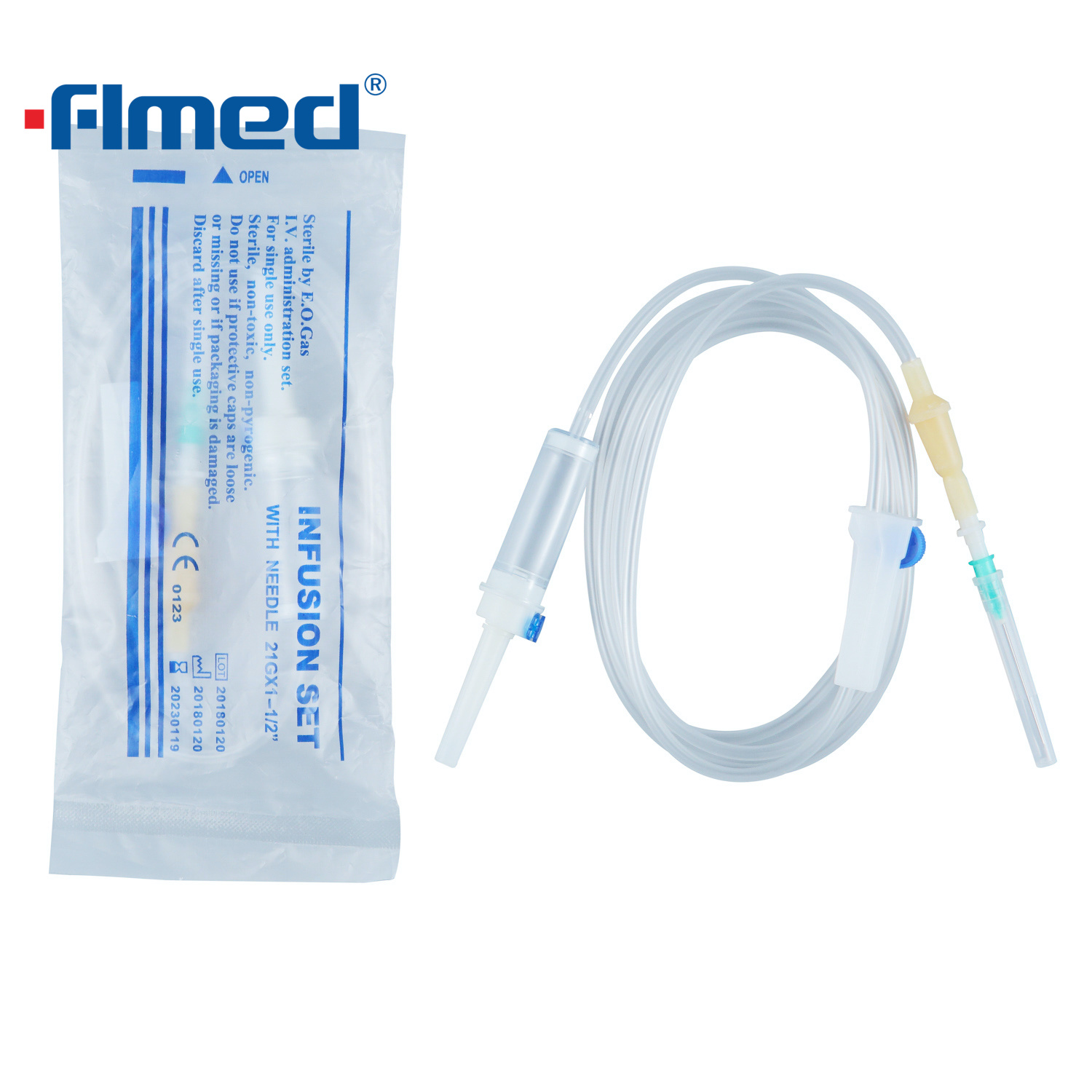
A dependable medical supply chain is essential for hospitals to operate efficiently and provide quality patient care. By partnering with trusted medical supply providers like Forlong Medical, you can minimize shortages, save costs, and respond effectively to emergencies. Many healthcare professionals understand that disruptions in the medical supply chain can delay treatment and lead to errors. Reliable medical supply chains enable faster workflows, support sound decision-making, and help ensure compliance with regulations while keeping patients safe.
Key Takeaways
A reliable medical supply chain helps hospitals get supplies on time. This improves patient care and keeps people safe.
Using different suppliers lowers the chance of running out of supplies. It also helps hospitals work better.
Better inventory management systems help hospitals know what supplies they have. This stops waste and keeps supplies from running out.
Using technology like AI and automation makes supply chain work faster and easier. This helps the supply chain be more reliable.
Training staff often on supply chain practices helps teams act fast in emergencies. It also helps them give good care.
Why Reliable Medical Supply Chains Matter for Hospitals
Impact on Patient Care and Safety
You help hospitals give safe care to patients. A reliable medical supply chain lets you get important items and medications on time. When you have supplies, you can treat patients fast and make fewer mistakes. If the supply chain is slow or stops, treatment can be late. Mistakes may happen more often. This can hurt patients and put their lives in danger. Good supply chain management means you always have what you need. This helps you give the best care.
Keeping a strong healthcare supply chain helps patients get better care. It also helps your hospital give good care every day.
Operational Efficiency and Shortages Prevention
Hospitals need to work well to help patients. If you run out of important supplies, you might have to move or cancel procedures. Patients may need to stay longer in the hospital. This can make care worse and cost more money. Staff and patients can get upset. In healthcare, one shortage can cause problems in many places. A strong supply chain stops these problems. It keeps your hospital working well. You also lower the chance of delays that slow down your work.
You can stop delays from happening.
You can keep your work moving fast.
You can make sure staff always have supplies.
Risk Management in Healthcare Supply Chain
You need to be ready for emergencies and surprises. A strong healthcare supply chain helps you handle risks. You can have backup suppliers and flexible plans. If something goes wrong, you can still get supplies. This keeps patient care going. Good supply chain management also helps you follow rules and laws. When you focus on being ready, people trust your hospital more. You also make your hospital look good in the healthcare world.
Challenges in Healthcare Supply Chain Management
Limited Visibility and Tracking
It is hard to manage supplies if you cannot see them in real-time. Not knowing where supplies are can cause delays and mistakes. Hospitals may run out of important items or have too many that go unused. This can lead to problems like running out of medicine or having too much of something. The table below shows how not seeing your supplies can hurt your work:
Challenge | Description |
|---|
Medical supply shortages | Getting medicine and supplies on time is very important for patients. |
Inventory inaccuracies | Not seeing your stock can make numbers wrong and slow things down. |
Compliance risks | Not knowing what you have can make it hard to follow rules. |
Delayed procurement decisions | Slow choices can make supply problems worse and hurt patient care. |
If IV drips arrive late, a patient may stay longer. If you run out of masks, staff may have to work extra hours. If a supplier is not reliable, it can cost the hospital more money each day.
Supplier Dependency and Shortages
Hospitals often use only a few suppliers. This can cause big problems if there is a shortage. During COVID-19, many hospitals could not get what they needed. In Japan, after the tsunami, over half of hospitals turned away new patients because they did not have enough supplies. If a product is recalled, it can be even harder to get what you need. Hospitals need a strong supply chain to keep working when things go wrong.
Outdated Inventory Systems
Old ways of tracking supplies can cause more problems. Using paper or spreadsheets makes it easy to make mistakes. You might order too much or too little. This can waste money or cause shortages. Guessing what you need can mean you run out of important things. New systems use barcode scanners and RFID tags to track supplies better. This helps stop problems and makes work faster.
Regulatory Compliance Issues
Hospitals must follow strict rules for their supplies. They need good records and must manage their inventory well. Talking clearly with suppliers helps follow these rules. Forlong Medical follows EC REP and EUDAMED UDI rules, which shows they are reliable. Working with suppliers who follow the rules helps hospitals avoid mistakes and fines.
Disaster and Emergency Risks
Big emergencies can show weak spots in your supply chain. Getting supplies fast is very important during these times. COVID-19 and natural disasters showed why strong plans and training are needed. Hospitals should work with good suppliers and use real-time tracking. These steps help keep supplies coming during hard times. Forlong Medical gives hospitals steady, good supplies even when things go wrong.
Tip: Check your supply chain plan often and update it for new problems. This helps keep patients safe and supports your staff during emergencies.
Solutions for Building a Reliable Medical Supply Chain
Diversifying Suppliers and Partnerships
You make your supply chain stronger by using many suppliers. If you only use one, you risk running out during problems. Having more vendors helps stop shortages. You can also make backup plans with other providers. Hospitals keep extra important supplies for emergencies. Group purchasing organizations help you get better deals and prices. This makes your supply chain tougher.
Strategy | Benefits |
|---|
Strengthening supplier relationships | Helps you get good products and on-time deliveries. |
Leveraging technology for real-time visibility | Lets you see your supplies and avoid running out. |
Conducting scenario-based supplier exercises | Tests your backup plans and finds problems before real ones happen. |
You can use dashboards to show your team what supplies you have. This helps you change your orders before you run out. Forlong Medical is a trusted partner. They offer medical gauze, cotton, respiratory care, and hypodermic products. These meet international standards and help hospitals get what they need.
Tip: Let departments share feedback to find risks early and fix plans fast.
Upgrading Inventory Management Systems
New inventory systems show you what you have right now. This helps stop shortages. Hospitals with new systems work better. You can get rid of old or expired supplies. This saves money and helps cash flow. Smart systems use AI to guess what you will need. They help you order the right amount and avoid running out.
Improvement Type | Description |
|---|
Inventory Reduction | You have less extra stuff and save money. |
Cash Flow Improvement | You save money by removing old or broken supplies. |
Working Capital Savings | Hospitals can save a lot of money with better supply chain work. |
You can see your supplies and where they go. Watching inventory and demand in real-time helps you order better. Forlong Medical’s gauze and cotton help hospitals control supplies and avoid waste.
Strengthening Logistics and Distribution
You make logistics better by working with local health workers. Partnering with community groups helps too. Local centers make deliveries faster. Hospitals use different ways to move supplies, even in hard places. New tech like drones and AI help with delivery and tracking.
Community teams help deliver supplies better.
Local centers make deliveries quicker.
Drones and AI keep supplies moving on time.
Forlong Medical’s delivery network gets supplies to hospitals fast, even in emergencies. You can trust their support to keep things running.
Ensuring Regulatory Compliance
You must follow rules to keep patients safe and build trust. Hospitals have strict rules for data, product tracking, and quality. Good suppliers like Forlong Medical follow EC REP and EUDAMED UDI rules.
Regulation | Key Requirements |
|---|
HIPAA | Keeps patient data safe and private. |
GDPR | Protects user data and gives privacy rights. |
FDA Compliance | Follows U.S. rules for medical products. |
DSCSA | Tracks medicine and checks products are real. |
Good Distribution Practice | Keeps products safe during shipping and storage. |
You avoid fines and mistakes by picking suppliers who follow the rules. Forlong Medical’s products meet all these rules and help hospitals manage supplies safely.
Integrating Technology and Automation
You make your supply chain better with new tech and automation. AI systems help manage supplies and deliveries. Automation stops mistakes and lets you see what is happening. Hospitals use AI to know what supplies to order before they run out.
AI and machine learning help control supplies.
Blockchain keeps the supply chain safe and clear.
IoT devices watch supplies in real-time.
Robots help manage supplies in warehouses.
Kanban systems help you fill orders almost every time. Automated cabinets make it easy to track supplies. Smart tools help you avoid having too much or too little. Some hospitals save money and give better care with these systems.
Note: Using new tech saves money and helps patients. You can stop problems and keep your supply chain strong.
Forlong Medical’s products help hospitals build a strong supply chain. You always have good supplies and keep patients safe.
Enhancing Healthcare Supply Chain Sustainability
Staff Training and Development
You make your supply chain stronger by teaching your staff. Hospitals need teams who know about logistics and distribution. Training programs like BlueBelt and STEP 2.0 help staff learn new skills. These programs teach Kanban, Lean supply chain ways, and how to handle change. Staff who finish training can lead teams and help hospitals stay strong.
Training Program | Focus Areas | Duration | Benefits |
|---|
BlueBelt | Kanban, Lean supply chain practices | 6-8 weeks | Trains staff in internal supply chain leadership and best practices |
STEP 2.0 | Leadership, Change management | Varies | Builds supply chain capacities in low- and middle-income countries |
You help your team do better by giving them training. Hospitals with trained teams act fast in emergencies and keep track of supplies. Forlong Medical gives hospitals good products that make training easier.
Data Security and Privacy
You keep patient information safe by using secure systems. Hospitals must follow rules for data privacy. You keep records safe and stop people from seeing them without permission. Supply chain systems with strong security help you meet healthcare rules. You pick suppliers who care about privacy and use new technology. Forlong Medical follows world standards and helps hospitals follow the rules.
Tip: Check your data security plan often. Update your systems to meet new rules and threats.
Sustainable Procurement Practices
You help the environment by picking green supply chain practices. Hospitals choose suppliers who work to cut waste and save energy. You use products with green packaging and recycling plans. Hospitals look for equipment that uses less energy and works better.
Green sourcing helps cut waste and save energy.
Waste and recycling use closed-loop systems and eco-friendly packaging.
Saving energy lowers costs and helps the planet.
You build a green supply chain by working with trusted suppliers. Forlong Medical has products like medical gauze, cotton, respiratory care, and hypodermic items that help green goals. Hospitals get stronger by working with good partners and checking their buying plans often.
You help hospitals get stronger by making a good supply chain. This gives many good things:
Benefit | Description |
|---|
Enhanced Patient Care | Doctors and nurses always have the tools and medicine they need to help patients. |
Cost Efficiency | Hospitals can save money and use it for other important things. |
Improved Outcomes | Patients get what they need fast, so they get better quicker. |
Better Inventory Control | Hospitals do not run out or have too much, so only safe items go to patients. |
Planning ahead and always trying to get better helps hospitals stay strong, follow rules, and move supplies well. Check your supply chain by looking at your data, talking with healthcare workers, and making good connections with suppliers. If you need help, look at Forlong Medical’s solutions for hospitals.
FAQ
What steps help hospitals prevent stockouts of critical supplies?
Hospitals stop running out of supplies by checking inventory every day. They use automated systems to help track what they have. Working with more than one supplier helps too. Hospitals that plan ahead and check supplies often do not run out. Good partners help keep important items ready for patients.
How do hospitals handle supply chain disruptions during pandemics?
Hospitals make emergency plans and keep extra supplies on hand. They work with trusted suppliers to get what they need fast. Real-time tracking helps them see what is missing right away. These steps help protect patients and keep things working well.
Why is healthcare supply chain management important for hospitals?
Strong supply chain management helps hospitals give safe care on time. Hospitals that manage supplies well waste less and save money. Good management also helps them follow rules and avoid delays. This means patients get better care.
What role do healthcare providers play in the healthcare supply chain?
Healthcare providers help by telling teams what supplies are needed. They report when something is running low or missing. Sharing this information helps hospitals order the right things. This keeps the supply chain working well and avoids problems.
How can hospitals improve sustainability in healthcare?
Hospitals can pick eco-friendly products and recycle materials. Training staff about green practices helps too. Working with green suppliers makes a big difference. These actions help hospitals care for the environment and build a better future.

 English