Medical device makers need important certifications like iso 13485, EU MDR, fda QMSR, MDSAP, and rules for each region. These certifications help companies follow laws and sell products worldwide. They are very important for product safety and approval. The fda is changing to iso 13485 QMSR. This change gives many benefits:
Easier rules help companies follow laws better.
One qms lets companies meet fda and world rules, so they can sell in more places.
Risk-based qms reasons make products safer.
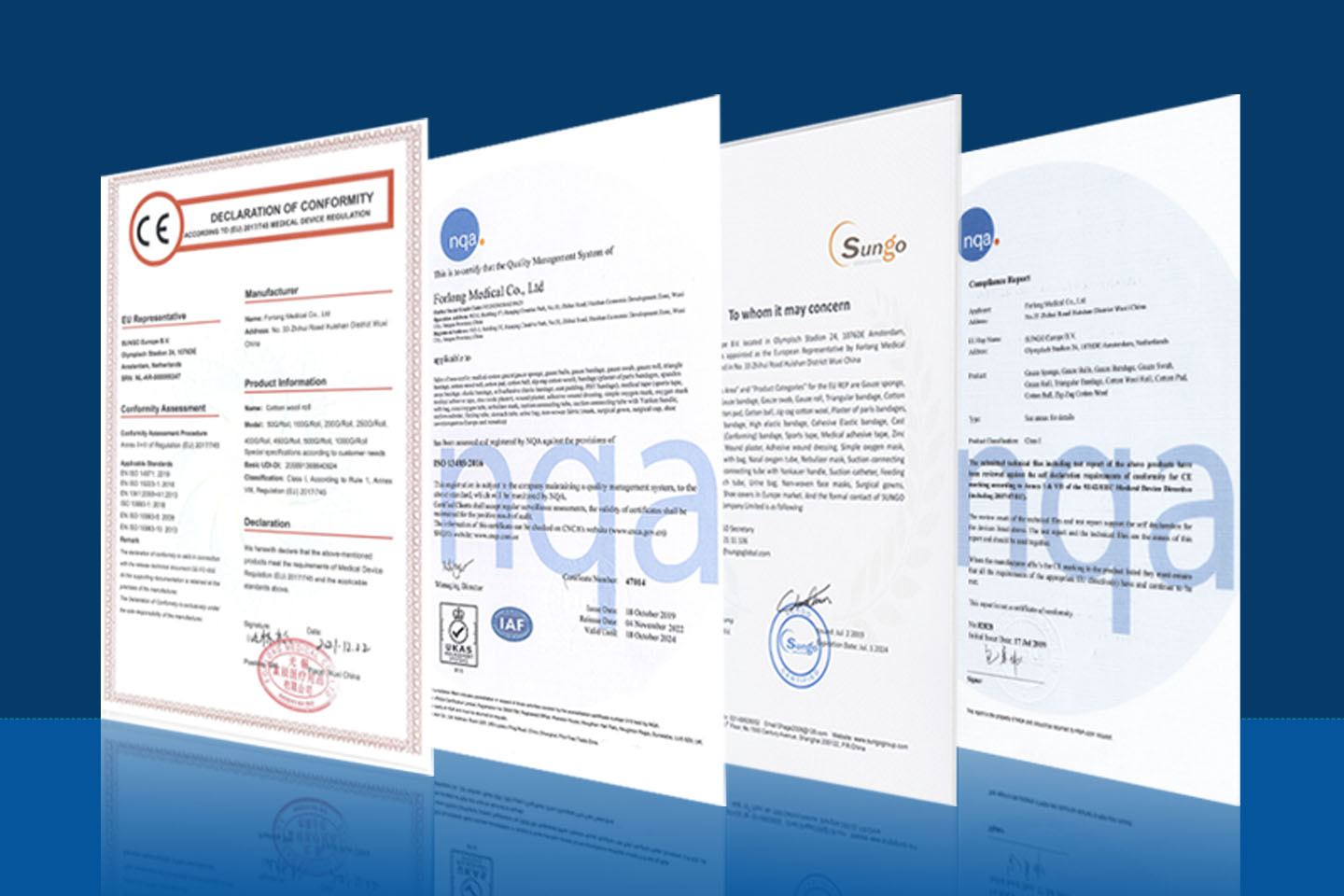
Forlong Medical shows it cares about world standards. It got iso 13485 certification and gives quality in every medical supplies group.
Key Takeaways
ISO 13485 and FDA QMSR help companies follow rules in the world and U.S. with one system.
EU MDR needs companies to obey strict rules to sell medical supplies in Europe.
MDSAP lets one audit check rules for many countries, so there are fewer checks.
Standards for certain places like UKCA and China NMPA have their own rules.
ISO 14971 helps companies handle risks when making medical devices.
Internal audits and regular training are very important for keeping certifications.
Digital health and SaMD standards are changing, so companies must keep up with new rules.
Always improving quality systems helps companies do well for a long time.
Core certifications for medical supplies in 2026
ISO 13485 and FDA QMSR transition
Scope and requirements
ISO 13485 is a worldwide rule for quality management in medical devices. It covers every step, from making the product to sending it out. The FDA is changing its rules to match ISO 13485. This means companies can follow both U.S. and world rules with one system.
The table below shows how ISO 13485:2016 and FDA QMSR are different:
Aspect | ISO 13485:2016 Requirements | FDA QMSR Requirements |
|---|
Documentation Requirements | Needs lots of paperwork, like a quality manual and written steps for all QMS jobs. | Focuses on special FDA paperwork rules. |
Management Responsibility | Wants leaders to be involved and responsible. | Leaders do not have to be as involved. |
Supplier Controls | Needs official ways to check and watch suppliers. | Does not need as many supplier checks. |
Training vs. Competency | Needs proof that workers can do their jobs, not just that they finished training. | Only cares if workers finished training. |
Design Controls | Uses risk management during design and making the product. | Looks at risk mostly when checking the design. |
Terminology Updates | Uses ISO 13485:2016 words instead of FDA words. | Uses FDA words. |
ISO 13485 asks for more paperwork and more help from leaders. It also needs official supplier checks and proof that workers know what to do. The new QMSR will make the FDA more like ISO 13485. Companies with ISO 13485 will only need to change some papers for the new QMSR. This will make following the rules easier and may save money. The QMSR also cares more about risk management, which makes products safer.
Compliance steps for Forlong Medical
Forlong Medical has ISO 13485 for its quality system. The company uses this system to make its respiratory care, medical cotton, hypodermic, and urology products. The leaders at Forlong Medical help with quality management. They make sure all workers know their jobs and get the right training.
To get ready for FDA QMSR, Forlong Medical checks and updates its papers. The company looks at supplier checks and worker records. It also uses risk management in every part of making products. These steps help Forlong Medical follow both ISO 13485 and the new FDA QMSR.
EU MDR essentials
Applicability and updates
The EU MDR is a set of strict rules for selling medical supplies in Europe. All companies must follow these rules to sell in the EU. The EU MDR covers safety, checking products, and watching products after they are sold.
Key updates for 2026 are:
Some old devices get more time to change, based on risk.
Four EUDAMED modules must be used starting May 28, 2026. These cover actor registration, UDI and device registration, notified bodies and certificates, and market checks.
Stricter rules for checking products and watching them after sale.
Notified bodies will look at technical papers more closely and want companies ready for checks.
Companies must keep up with these changes to keep their certification and sell in Europe.
Forlong Medical’s EU compliance
Forlong Medical has done things to meet EU MDR rules. The company has EC REP and EUDAMED UDI for its main products. These let Forlong Medical sell respiratory care, medical cotton, hypodermic, and urology products in the EU.
Forlong Medical keeps its technical papers up to date and gets ready for checks by notified bodies. The company also watches data after products are sold and acts fast if there are safety problems. This helps Forlong Medical keep following EU MDR and gives safe, good products to healthcare workers.
MDSAP for global access
Participating countries
The MDSAP lets one check cover the rules of many countries. The main countries are:
United States of America (FDA)
Canada (Health Canada)
Australia (Therapeutic Goods Administration)
Brazil (ANVISA)
Japan (Ministry of Health, Labour and Welfare)
This program helps companies sell in more places with fewer checks.
Audit process
MDSAP checks a company’s quality system for all the countries’ rules. The check looks at papers, supplier checks, risk management, and watching products after sale. Companies get fewer checks, less trouble, and faster sales.
Benefit | Description |
|---|
Reduces audits | Companies get fewer checks and visits. |
Efficient process | One check saves time, money, and stops less work. |
Market access | Helps companies sell faster in more places. |
Consistency | Makes rules the same in all countries. |
Forlong Medical uses MDSAP to grow around the world. Its quality system fits all MDSAP countries. This helps Forlong Medical give safe, good products to healthcare workers everywhere.
Region-specific standards
UKCA, China NMPA, and others
Medical supplies makers must follow rules for each region. Every place has its own safety and quality rules. These rules are not always like ISO 13485 or the EU CE Mark.
The table below shows how some region rules are different from world rules:
Region | Standard | Key Differences from International Standards |
|---|
UK | UKCA | Needs its own approval after Brexit. It is not the same as the CE mark. |
China | NMPA | Has its own rules for medical devices. These rules are not like EU or US rules. |
EU | CE Mark | Lets products approved in one EU country be sold in all EU countries. |
The UK uses the UKCA mark for medical devices now. Companies must get UKCA approval to sell in England, Scotland, and Wales. The UK does not take the CE mark for new devices. The UK made the International Reliance Pathway. This pathway lets some foreign devices skip the full UKCA check if they have approval from trusted partners. Trusted partners are the US FDA, Health Canada, and the Australian TGA.
China uses the NMPA system for medical devices. The NMPA has its own rules for testing, paperwork, and approval. Companies must register their products with the NMPA before selling in China. The process can take a long time and needs local help.
Other places like Japan, Brazil, and Australia have their own rules too. Makers must check each country’s rules before selling in new places.
Forlong Medical’s international reach
Forlong Medical follows many region rules to reach customers everywhere. The company knows UKCA, NMPA, and CE Mark rules. This helps Forlong Medical sell respiratory care, medical cotton, hypodermic supplies, and urology products in many countries.
Forlong Medical works with local partners to learn and follow each region’s rules. The company updates its papers and product labels to match local laws. This helps Forlong Medical keep its products safe and approved for hospitals and clinics around the world.
Note: Meeting region rules gives Forlong Medical a strong place in the world market. The company’s focus on following rules helps it give high-quality medical disposables everywhere.
Supporting standards for quality and safety
ISO 14971 risk management
Integration with core certifications
ISO 14971 shows companies how to handle risks in medical supplies. This standard helps companies find and check risks for the whole life of a device. It works with ISO 13485, which has rules for quality systems. These two standards help companies do what regulators want.
Companies use ISO 14971 to:
Find dangers in their products.
Study and judge the risks.
Use controls to lower risks.
Check if the good is more than the bad.
Watch risks after selling the product.
Using ISO 14971 helps keep patients safe and shows devices are safe to use. A good risk report lists all dangers, how risks are checked, what controls are used, and how risks are watched after sale. Forlong Medical uses these steps for all its products, like respiratory care, medical cotton, hypodermic, and urology items. This helps Forlong Medical keep its products safe and high quality.
ISO 9001 for quality systems
Applicability to Forlong Medical
ISO 9001 is the base for quality systems in many fields. ISO 13485 adds more rules for medical devices. These rules need more paperwork, checks for clean products, and tracking every device. ISO 9001 helps many companies, but only ISO 13485 shows a company meets strict medical device rules.
Forlong Medical uses both ISO 9001 and ISO 13485 to make safe products that meet world standards. The company keeps good records, checks every step, and follows rules for cleaning and tracking. This system helps Forlong Medical give good medical supplies to hospitals and clinics.
Cybersecurity and SaMD standards
IEC 62304 and ISO/IEC 27001
Medical devices now use more software and connect to networks. This makes cybersecurity very important. Standards like IEC 62304 and ISO/IEC 27001 help companies keep software safe and protect patient data.
Standard | Description | Impact on Compliance |
|---|
IEC 62304 | Covers the full software life for medical devices. | Makes sure software is safe and works well for approvals. |
ISO/IEC 27001 | Sets rules for managing information security. | Helps protect patient data and meet rules like HIPAA and FDA. |
These standards help companies use strong controls, like encryption and access checks, to keep data safe. They also make it easier to follow laws about patient privacy. Forlong Medical follows these rules for any products with software or data links. This keeps both devices and patient information safe.
Note: Using ISO 13485, ISO 14971, and other standards together builds a strong quality system. Forlong Medical’s focus on these standards helps the company keep its products safe, reliable, and ready for markets around the world.
Compliance steps for manufacturers
Achieving and maintaining certification
Internal audits and training
Medical device makers need a strong quality management system. Internal audits are very important. These audits help companies find problems early. They can fix these problems before outside inspectors come. Regular audits keep teams ready for new rules.
Training is also a key step. Companies should teach workers about the newest standards and steps. This helps everyone know their jobs and follow the best ways to work. Forlong Medical gives training to its teams all the time. The company uses easy checklists and plans to keep every worker up to date.
Tip: Do internal audits at least two times each year. Use what you learn from audits to make training and work better.
Avoiding common pitfalls
Documentation and regulatory awareness
Many medical supply companies have trouble with certification. These problems include making sure products are real, stopping fake devices, keeping patient health information safe, storing things right, and tracking inventory. Companies can solve these problems by using ISO standards.
Some common mistakes are:
Treating design reviews like simple talks
Not asking outside experts to review
Not writing down choices and reasons
Not linking design inputs and outputs
Companies should make design reviews official, ask outside experts, and write down every choice. Linking design inputs to outputs helps companies follow rules and pass audits.
Resources and expert support
Forlong Medical’s customer service
Manufacturers can use many tools to help with compliance. Programs like Certified Medical Device Compliance Professional (CMDCP) teach about quality, making products, design, and rules. UL’s solutions give special testing, certification, and expert help for world standards.
Forlong Medical is special because it gives strong customer service and expert help. The company helps partners with every part of compliance. Clients get help with papers, audit prep, and rule updates. Forlong Medical’s team answers questions fast and gives tools to fix problems. This support helps partners get certified and keep high standards in medical supplies.
Note: Good customer service and expert help can help you pass audits. Forlong Medical’s support helps partners stay ahead with rules.
Regulatory changes and trends for 2026
FDA and ISO updates
QMSR harmonization
Medical supplies makers will see big rule changes in 2026. The fda will finish switching to a qms rule like iso 13485. This means companies can use one quality system for the U.S. and other countries. The new qms rule will focus more on risk and better work habits. If companies start using iso 13485 early, they will have an advantage.
The table below lists important rule updates for 2026:
Regulation | Description |
|---|
ISO 10993 and ISO 14155 Updates | New ideas and risk-based ways for biocompatibility and clinical studies. |
FDA 2026 Guidance on PPI | Collects patient preference information to help make device choices. |
CMS and FDA RAPID Coverage Pathway | Makes Medicare access faster for breakthrough devices. |
SWISSMEDIC Registration | All devices must register by July 1, 2026, to match EU rules. |
Making qms rules the same gives many good things:
Easier to sell in more countries. One qms fits many rules.
Fewer audits. This saves time and money.
Lower costs for following rules. Companies can save up to 40%.
Focus on high-risk parts. This makes devices safer and better.
Forlong Medical uses iso 13485 for its qms. The company updates its system to match the new fda rules. This helps Forlong Medical keep products ready for all markets and act fast when rules change.
Digital health and SaMD needs
Software and AI requirements
Digital health and software as a medical device (SaMD) are changing medical supplies. Countries like Malaysia, Mexico, and Brazil will update their rules for digital devices and software. These changes will need clear labels, good paperwork, and faster approval for new tech.
Key trends for 2026 are:
New rules for software and AI in medical devices.
Faster approvals when countries agree to trust each other’s checks.
Longer times before devices need to register again in some places.
Stronger rules for device labels and how they are used.
AI will be more important in medical supplies. It helps check risks, do compliance checks, and protect against cyber threats. Companies must build safe software and keep patient data private. AI also helps make certification faster and more correct.
Forlong Medical follows iso 13485 and uses a strong qms for all products, even those with software. The company watches for new fda and world rules for digital health. Forlong Medical spends money on safe software and AI tools to keep products safe and ready for the future.
Note: Keeping up with rule changes helps Forlong Medical give safe, high-quality medical supplies everywhere.
Certification strategy for market access
Aligning with business goals
Market entry planning
Medical supplies makers need a simple plan to sell in new places. A good certification plan helps companies grow and meet their goals. Companies should link their certification steps with their business plans right away. This makes selling products easier and helps avoid waiting.
Strategy | Description |
|---|
Regulatory Harmonization | Countries now use similar rules, so it is easier for companies. |
Early Integration of Regulatory Thinking | Planning for rules early means fewer surprises and smoother work. |
Cross-Functional Governance Teams | Teams from many departments work together to enter markets faster. |
Forlong Medical uses its qms to help sell in new places. The qms shows that products are safe and good quality. Forlong Medical also earns trust by meeting high standards. The company uses certifications to prove its products, like respiratory care and urology items, are safe and work well.
Best Practice | Description |
|---|
Leverage Certification | Use certifications to show quality and reach new markets. |
Strengthen Infrastructure | Make systems better for sharing data and following rules. |
Build Trust | Good quality helps customers and partners trust the company. |
Tip: Talk to rule makers early to avoid problems and get approvals faster.
Ongoing monitoring and updates
Continuous improvement for Forlong Medical
Keeping certifications up to date is important for long-term success. Companies must check their qms often and change it when rules change. Regular checks, supplier reviews, and looking at papers keep the system strong.
Method of Monitoring | Description |
|---|
Audits of QMS systems | Check the system before and after products go to market. |
Supplier evaluation | Match supplier checks to how risky each product is. |
Certification maintenance | Certifications last three years, with yearly checks and a big review. |
Forlong Medical uses these ways to keep its qms up to date. The company has regular meetings and changes how it works when needed. This helps Forlong Medical find risks early and fix them quickly. The company also uses one data system to track rules and make checks easier.
Continuous improvement gives many good things:
Better quality for every product.
Fewer problems when making products.
More trust from rule makers and customers.
Work is faster and there are fewer mistakes.
Forlong Medical shows others how to do this well. The company’s focus on always making the qms better keeps products safe and ready for sale everywhere. This way of working helps the company grow and have a good name in medical supplies.
Manufacturers in 2026 need important certifications. These help make medical supplies safe and work well. Companies check their rules often to keep up with changes. This helps them lower risks and problems. The table below shows how good systems and clear jobs help companies follow rules.
Benefit | Description |
|---|
Structured Framework | ISO 27001 uses risk checks to keep medical device systems safe. |
Operational Efficiency | Clear jobs and steps cut extra work and help follow rules. |
Incident Reduction | Fewer security issues mean less money spent and less time lost. |
Competitive Advantage | Certification helps companies get more business from hospitals. |
Forlong Medical gives expert help for every step. Companies should check and change their certification plans now to stay ahead.
FAQ
What certifications do medical supplies manufacturers need in 2026?
Manufacturers must get ISO 13485, FDA QMSR, EU MDR, MDSAP, and special certifications for each region, like UKCA or China NMPA. These certifications help companies follow safety and quality rules in different countries.
How does Forlong Medical ensure product compliance?
Forlong Medical uses a quality system based on ISO 13485. The company updates its papers, teaches workers, and checks its work often. This helps Forlong Medical follow both world and local rules.
Why is the FDA QMSR transition important?
The FDA QMSR change makes U.S. rules match ISO 13485. Now, companies can use one quality system for the U.S. and other countries. This saves time and helps products get approved faster.
What is the role of ISO 14971 in medical device manufacturing?
ISO 14971 helps companies handle risks during a product’s life. It shows teams how to find dangers, check risks, and use controls. This keeps patients safe and makes products work better.
How often should manufacturers review their certifications?
Manufacturers should check their certifications at least once every year. Regular checks help companies keep up with new rules and stay approved.
Can Forlong Medical products be sold worldwide?
Yes. Forlong Medical follows big world standards and special rules for each place. The company’s products, like respiratory care and urology items, are sold in many countries.
Where can customers get support for certification questions?
Customers can ask Forlong Medical’s expert team for help. The company gives advice about following rules, paperwork, and new updates.
Tip: Visit Forlong Medical’s website for more resources and contact information.
 English