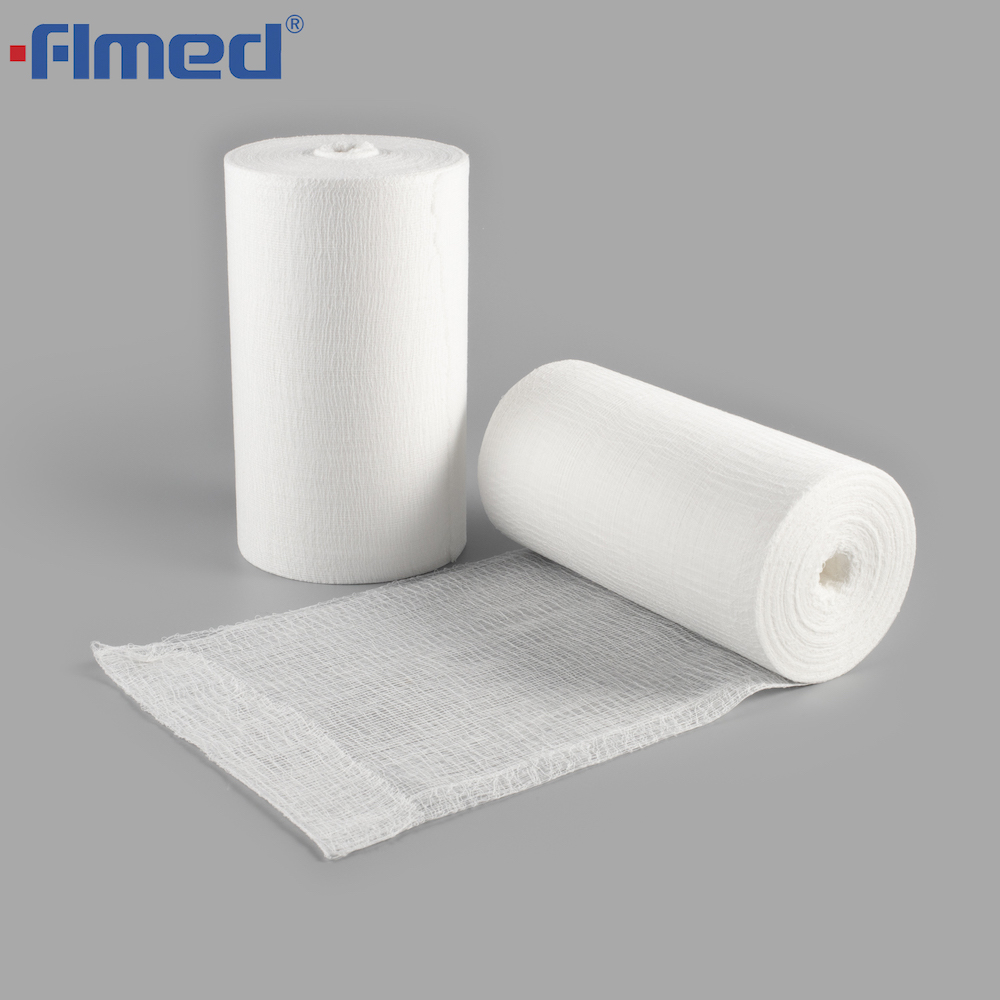
Sterile medical gauze goes through a process that kills all germs and dirt. Non-sterile medical gauze is not as clean as sterile gauze. Knowing this difference is very important for stopping infections in wounds. Some people think any gauze works for all injuries. But sterile medical gauze is needed for open wounds and places where surgery happens. The table below explains how this difference changes results in healthcare:
Evidence Type | Description |
|---|
Infection Risk | Sterile medical gauze stops infections in open wounds at hospitals. |
Wound Management | Sterile medical gauze helps wounds heal by keeping them clean. |
Cost Implications | Infections after surgery can cost over $30,000, so sterile medical gauze is needed. |
Forlong Medical gives safe medical gauze choices that help doctors and nurses make good decisions.
Key Takeaways
Sterile gauze is very important for open wounds and surgeries. It helps stop infections and helps wounds heal faster.
Non-sterile gauze works well for small injuries and cleaning jobs. Do not use it on open wounds because it can cause infections.
Pick the right gauze for the wound you have. This helps you take care of the wound and keeps you safe.
Keep sterile gauze in its package and in a clean spot. This makes sure it is safe to use when you need it.
Forlong Medical has many types of gauze. They make sure their gauze is good quality and follows safety rules.
Sterile Gauze Explained
What Is Sterile Gauze?
Sterile gauze is made from good cotton. It is made in very clean places. This removes all germs and dirt. Makers use steam, gas, or radiation to clean it. These ways make sure no bacteria are left. Forlong Medical makes sterile gauze that follows world rules. These rules are ISO 13485, CE Marking, FDA rules, and GMP.
Standard | Description |
|---|
ISO 13485 | Focuses on quality management systems for healthcare products. |
CE Marking | Shows compliance with EU safety and health requirements. |
FDA Regulations | Ensures safety and compliance for U.S. medical devices. |
GMP | Provides guidelines for quality production of medical products. |
Forlong Medical has sterile gauze in many shapes and sizes. You can get swabs, rolls, or bandages. All are made with safe cotton and new machines.
Uses for Sterile Gauze
Doctors and nurses use sterile gauze in many ways. It is needed for open wounds, surgery, and burns. Sterile gauze helps stop bleeding and covers wounds. It also soaks up fluids. The table below shows when you need sterile gauze:
Procedure Type | Application of Sterile Gauze |
|---|
Hemorrhage Control | Direct pressure and wound packing |
Burn Management | Dressing for first, second, and third-degree burns |
Wound Care | General wound dressing and infection prevention |
Sterile gauze is also used after surgery. It helps people with weak immune systems. Doctors trust sterile gauze to keep wounds clean and stop infection.
How Sterile Gauze Prevents Infection
Sterile gauze helps stop infection. It covers wounds and keeps out germs. Using sterile gauze keeps wounds clean and safe. Nurses use one pad for each wound and wash their hands. This lowers the chance of infection. Sterile gauze soaks up fluids and protects the wound. This helps the skin heal faster.
Tip: Keep sterile gauze in its package until you use it. Store it in a dry, clean place to keep it safe.
Forlong Medical’s sterile gauze helps hospitals give safe care. Using sterile gauze stops infection and helps wounds heal faster.
Non-Sterile Gauze Overview
What Is Non-Sterile Gauze?
Non-sterile gauze is useful in many places. People use it at home and in hospitals. Factories make non-sterile gauze in clean rooms. But it does not go through a special cleaning process. The gauze is packed in big groups or sleeves. This helps save money. Forlong Medical sells non-sterile gauze in many types. You can get swabs, rolls, or bandages. These are made from good cotton or fake fibers. They work well for daily needs.
Aspect | Sterile Gauze | Non-Sterile Gauze |
|---|
Sterilization Process | Rigorous sterilization techniques | Produced in controlled environments, not fully sterile |
Packaging Methods | Individually packaged in peel pouches | Bulk-packed or sleeve-packed to reduce costs |
Production Environment | Requires a sterile environment | Clean Room environment (ISO Class 8 or higher) |
Microbial Control | Must achieve zero microorganisms | Monitored for low bioburden, not completely aseptic |
Use | Suitable for direct wound care | Used for skin preparation and cleaning surfaces |
Non-sterile gauze is made from:
Common Uses for Non-Sterile Gauze
Non-sterile gauze is used often at home and in clinics. Nurses and caregivers use it when things do not need to be sterile. Some ways to use it are:
Forlong Medical’s non-sterile gauze is easy to use. It works for many jobs, like skin care or small injuries.
Note: Non-sterile gauze is good for cleaning skin or getting ready before using sterile gauze.
When Non-Sterile Gauze Is Safe to Use
Non-sterile gauze is safe for small jobs and minor care. It is good when there is little risk of infection. People can use it for small cuts or scrapes. But do not use it on open wounds. Using it on open wounds can let germs in and cause infection. Cleaning the area and changing the gauze often helps lower these risks.
Higher chance of infection because of germs in non-sterile gauze
Problems with healing wounds may happen
It is important to clean and change dressings often
Forlong Medical says to use non-sterile gauze for small injuries, cleaning skin, and simple care. Their products work well and help keep people safe every day.
Difference Between Sterile and Non-Sterile Gauze
Key Differences in Cleanliness and Safety
Sterile gauze and non-sterile gauze are made in different ways. Sterile gauze goes through a process that kills all germs. Each piece is wrapped by itself to keep it clean. Non-sterile gauze does not get this special cleaning. Factories make it in clean rooms, but it is not sterilized. This makes sterile gauze safer for patients than non-sterile gauze.
Type of Gauze | Cleanliness Standard | Usage Contexts |
|---|
Sterile Gauze | Individually packaged and sterilized | Ideal for surgical settings and high infection risk wound care |
Non-Sterile Gauze | Not sterilized | Used for general cleaning tasks and minor wound care where sterility is not required |
Sterile gauze is cleaned to remove all germs. It is the best choice for wounds after surgery or deep cuts. Non-sterile gauze costs less and works for small cuts or blisters.
There are also safety rules for using each type. Healthcare workers must wash their hands before touching sterile gauze. They keep it in its package until it is needed. This stops germs from getting on the gauze. Non-sterile gauze does not need as many rules, but it should still be kept clean.
Note: To stop germs from spreading, use one piece of sterile gauze for each wound. Store unused gauze in a dry, clean place.
Impact on Infection Control
Sterile gauze helps stop infections. It covers wounds and keeps out bacteria. This helps wounds heal faster and lowers problems. Non-sterile gauze can cause more infections if used on open wounds or after surgery. That is why doctors use sterile gauze for surgeries, burns, and deep wounds.
Some research shows that for small wounds, the type of gauze may not matter much. One study looked at infection rates for wounds with sterile gauze and non-sterile gauze. The results were close. Sterile gauze had a 6.1% infection rate. Non-sterile gauze had a 4.4% rate. Another study found that using clean methods did not raise infection rates. Before the change, 0.84% of people got infections. After the change, 0.83% got infections.
Still, sterile gauze is used for wounds that are high risk. Hospitals and clinics have strict rules to keep patients safe. It is important to handle and store sterile gauze the right way. Non-sterile gauze is safe for cleaning skin or small injuries, but not for open wounds.
Cost and Supply Considerations
Sterile gauze costs more because of the way it is made and packed. Hospitals can save up to 30% on cloth costs by picking the right gauze for each job. Non-sterile gauze is cheaper and comes in big packs. This makes it good for cleaning or small wounds.
Aspect | Sterile Gauze Cost Implications | Non-Sterile Gauze Cost Implications |
|---|
Procurement Waste | Can save up to 30% of textile costs with proper identification | Higher waste due to improper use in clinical settings |
Procedure Use | Cost-effective in surgical settings compared to potential SSI costs | Generally lower cost but may lead to higher infection rates |
Bulk Savings | Reduces cost-per-unit through direct-to-factory procurement | Less savings potential when purchased in smaller quantities |
Insurance/Liability | Higher legal risks if sterile gauze is not used when required | Lower legal risks but potential for increased costs due to infections |
Supply is important too. Picking sterile or non-sterile gauze is not just about medicine. It is also about how easy it is to get and use. Sterile gauze is needed for wounds that could get infected. Non-sterile gauze helps hospitals save money for small injuries.
Tip: Always pick the right gauze for the wound and infection risk. This keeps patients safe and helps control costs.
Knowing the difference between sterile and non-sterile gauze helps keep patients safe, stops infections, and saves money. Using the right gauze helps healthcare workers give the best care for every wound.
Medical Gauze Selection Tips
Choosing the Right Gauze for Your Needs
Doctors and nurses pick gauze based on the wound and infection risk. They use sterile gauze pads for open wounds and surgery spots. Sterile gauze pads stop germs and help wounds heal. Non-sterile gauze pads are good for small cuts, scrapes, and closed wounds. These pads work well for cleaning, padding, or as extra layers. The material and how much the gauze soaks up matter for comfort and keeping wounds dry. Picking the right size covers the wound and stops waste. For deep cuts, sterile woven gauze pads soak up fluids and block bacteria. Non-sterile non-woven gauze pads are softer and soak up more, so they are best for shallow scrapes.
Tip: Always pick gauze pads that fit the wound’s depth, size, and infection risk. This helps wounds heal and keeps them safe.
Things to think about when picking medical gauze pads:
What the gauze is made of for the wound.
If it is sterile to stop infection.
How much it soaks up for the wound’s fluid.
The size and depth of the wound.
Forlong Medical Gauze Product Features
Forlong Medical has many types of gauze pads for surgery and wound care. Their gauze pads use strong medical cotton for good quality. They soak up a lot of fluid to help healing. Low lint means the wound stays clean. X-ray gauze pads make surgery safer. All products meet world rules like CE certification. Forlong Medical’s gauze pads help wounds heal after surgery or injury.
Feature | Benefit |
|---|
Medical-grade cotton | Reliable quality |
High absorbency | Effective fluid control |
Low linting | Cleaner wound environment |
X-ray detectable | Surgical safety |
CE certified | Meets international standards |
Forlong Medical gauze pads have these certifications:
Certification | Description |
|---|
ISO 13485 | Quality management for medical devices |
CE | Health, safety, and environmental standards |
FDA | Approval for medical devices in the USA |
Where to Buy Medical Gauze
You can buy medical gauze pads at drugstores, medical supply shops, and trusted websites. Pharmacies give quick help and advice. Medical supply stores have many types of gauze and know a lot. Online stores are easy and have lots of choices. Since 2020, more people buy first aid supplies online, up by 18%. You can find regular gauze pads and special wound care products both online and in stores.
Note: Keep medical gauze pads in their packages and use the oldest ones first. Teach workers to handle gauze pads right and check for damage.
Picking sterile or non-sterile gauze is very important for wound care. The table below shows the main ways they are different:
Feature | Sterile Gauze | Non-Sterile Gauze |
|---|
Use Case | For open wounds and surgical sites | For low infection risk procedures |
Infection Control | Mandatory for packing extraction sites | Safe if not in contact with open wounds |
Cost Efficiency | More expensive, used directly on wounds | More cost-effective for general use |
Packaging | Single packs for sterility | Bulk packages, non-sterile |
Absorbency | Varies, generally less absorbent | Non-woven types absorb more fluid |
Texture | Woven can irritate skin | Non-woven is softer and smoother |
Using the right gauze for each wound helps it heal. It also keeps the skin safe. Forlong Medical has special gauze that helps stop infection and helps wounds get better.
To pick the best gauze for wound care, do these things:
Pick sterile gauze for open wounds.
Check the wound for signs of infection.
Clean the skin before putting on gauze.
Put the gauze on the wound and make sure it stays in place.
Forlong Medical makes good products that help doctors and nurses give great wound care every day.
FAQ
What is the main difference between sterile and non-sterile gauze?
Sterile gauze is cleaned to remove all germs. Non-sterile gauze does not go through this process. Sterile gauze is safe for open wounds. Non-sterile gauze is better for cleaning or covering skin that is not broken.
When should someone use sterile gauze?
Doctors and nurses use sterile gauze for open wounds, burns, and surgery spots. It helps stop infection. Sterile gauze is important for wounds that could let germs in.
Can non-sterile gauze be used for wound care at home?
Non-sterile gauze is good for cleaning skin or small scrapes. Do not use it on deep or open wounds. Sterile gauze is safer for serious injuries because it lowers infection risk.
Does Forlong Medical offer both sterile and non-sterile gauze?
Forlong Medical sells both sterile and non-sterile gauze. All their products follow world safety rules. Customers can pick the type that fits their needs.

 English