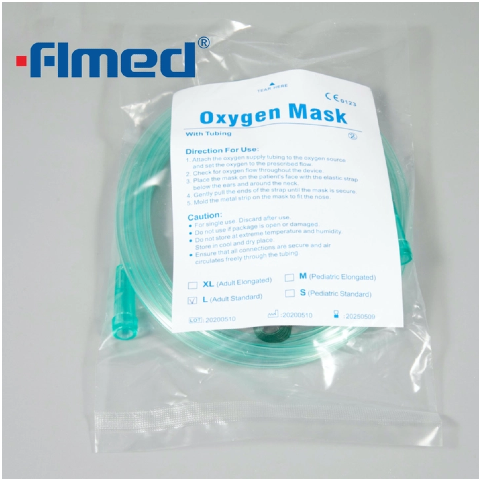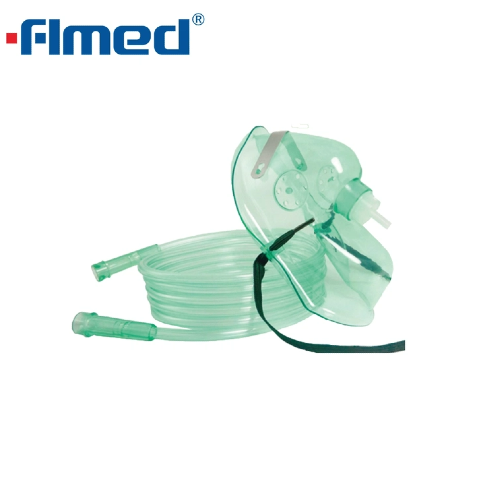
Small problems with an oxygen mask often begin long before anyone questions the oxygen source itself. A rushed connection, a poor fit, or a mask that feels uncomfortable can make routine oxygen support seem less effective than it should be. Forlong Medical, a professional supplier of disposable medical products, understands that many day-to-day oxygen mask issues are avoidable, and this guide focuses on the mistakes readers can recognize quickly and correct with confidence.
Setup Mistakes That Happen Before the Mask Is Even Worn
A surprising number of oxygen mask problems begin during preparation. When a product is taken out of the package and put into use too quickly, small oversights can affect comfort, stability, and overall performance from the first minute.
Starting Without Checking the Connection
One of the most common mistakes is connecting the mask in a hurry and assuming everything is ready. Loose tubing, an unstable connector, or an incomplete fit between the mask and the oxygen line can all reduce consistency during use. In a hospital setting, even a simple delay caused by reconnection creates unnecessary interruption.
This is why connector design matters in real use. A mask should attach smoothly to standard oxygen tubing and remain stable while the patient is resting, speaking, or being moved. Forlong Medical designs its oxygen masks with a universal connector to support easier setup across routine clinical environments. That kind of detail does not look dramatic, but it helps reduce handling problems before the mask is even placed on the face.
A quick visual check can prevent bigger issues later. If the tubing is secure, the line is not twisted, and the mask shape remains intact after unpacking, the user starts from a much better position.
Using the Wrong Mask for the Task
Another early mistake is using a mask simply because it is available, not because it matches the actual need. A simple oxygen mask is practical in many routine situations, but it is not meant to solve every oxygen therapy scenario. Some situations call for moderate support and easy handling, while others require more controlled or higher oxygen delivery.
This does not mean product choice must become overly technical. It simply means the intended use should guide the decision. A routine bedside patient, a short recovery case, and a higher-demand emergency situation may not need the same oxygen mask for hospital care. Matching the device to the task helps avoid both underuse and unnecessary complexity.
Fit Mistakes That Quietly Reduce Performance
Once the mask is on the face, fit becomes one of the biggest factors in comfort and stability. Many oxygen mask problems are not dramatic enough to attract immediate attention, yet they quietly reduce the quality of daily use.
Straps That Are Too Loose or Too Tight
A loose strap allows the mask to shift too easily. When the mask moves, room air can enter more freely, and the user may keep adjusting it by hand. This creates a poor experience and makes the setup less dependable.
A strap that is too tight causes a different problem. It may press on the face, create discomfort, and make the patient eager to loosen the mask or remove it entirely. Good oxygen therapy depends on balance. The mask should feel secure without feeling harsh. Elastic straps help make this balance easier to achieve in ordinary use.
Ignoring the Nose Clip
The nose clip looks like a small detail, but it has a direct effect on fit. If it is not adjusted properly, the mask may sit unevenly or leave gaps around the upper part of the face. That makes the mask feel less stable and often less comfortable as well.
A workable nose clip supports better positioning and helps the mask stay where it should. Forlong Medical includes an adjustable nose clip because fit is not only about holding the mask in place. It also shapes how natural the mask feels during wear.
Choosing the Wrong Size
Size errors are easy to overlook, especially when oxygen masks are handled in busy care settings. A mask that is too large may shift or sit awkwardly, while one that is too small can feel restrictive and uncomfortable. This matters even more when adult and pediatric needs are involved.
The right size helps with both performance and user experience. For buyers and distributors, this is an important practical point. A product range that includes suitable sizing options supports smoother application across more patient groups.
Treating Discomfort as Normal
Discomfort is often ignored because the mask still appears to be working. Yet discomfort changes behavior. A patient may adjust the mask repeatedly, pull at the tubing, or hold the mask away from the face for short periods. All of that affects real use.
A better-designed mask reduces this risk. Soft material, a clear body, stable straps, and proper shape all contribute to a more comfortable experience. In routine hospital care, comfort supports compliance, and compliance supports more dependable oxygen therapy.
Common Oxygen Mask Mistakes and Quick Fixes
Mistake | What it causes | What to check | Better practice |
Loose connection | Unstable oxygen flow | Tubing and connector fit | Confirm the line is secure before use |
Strap too loose | Mask shifting and air leaks | Side position and tension | Adjust until the mask sits steadily |
Strap too tight | Pressure and discomfort | Facial marks and complaints | Aim for secure but comfortable fit |
Nose clip ignored | Poor upper-face fit | Gap around the nose area | Shape the clip gently for better contact |
Wrong size | Poor comfort and placement | Face coverage and stability | Use the correct adult or pediatric size |
Discomfort overlooked | Frequent adjustment and poor compliance | Visible irritation or repeated touching | Reassess fit and product suitability |
")
Monitoring Mistakes During Use
Even when setup and fit seem fine at first, problems can still appear during use. Monitoring is not only about checking whether the mask remains on the face. It is also about noticing the small signs that the patient experience is changing.
Not Noticing Air Leaks or Unstable Placement
A mask may start in the right position and then shift gradually. Talking, turning the head, lying back differently, or being moved from one place to another can all affect placement. If the mask no longer sits well, the user may receive less consistent oxygen support.
This is why visibility matters. A clear mask body makes it easier to observe placement during use without repeatedly removing or lifting the product. Good monitoring becomes much easier when the mask itself supports quick visual checks.
Forgetting to Observe the Patient Experience
A patient does not need to say much for discomfort to be visible. Dryness, pressure, repeated touching of the mask, or obvious irritation are all signs worth noticing. When these signs are ignored, oxygen therapy may continue in a way that looks acceptable but feels poor to the user.
This point is especially relevant in routine hospital care, where simple oxygen mask products are often used for short-term support. Comfort should not be treated as separate from performance. If a patient is unsettled by the mask, overall use becomes less stable.
Missing Simple Tubing Problems
Some of the most avoidable errors involve the tubing rather than the mask body. A kinked line, moisture buildup, accidental pulling, or partial loosening can reduce consistency and create unnecessary confusion about whether the mask itself is the problem.
A short check of the tubing path often solves these issues quickly. It is a simple habit, but it protects the overall setup and prevents wasted time during routine use.
Handling and Replacement Mistakes
Good performance also depends on how the mask is handled before and after use. Poor storage or careless replacement habits can affect product readiness even before the next application begins.
Storing Masks Poorly
A disposable oxygen mask should be stored in a way that protects its shape, cleanliness, and readiness. If packaging is damaged, dust reaches the product, or the mask is bent carelessly, fit and comfort may be affected when it is finally needed.
This matters in both hospital supply and distribution. A product that arrives cleanly packed and holds its shape well is easier to use confidently. Careful storage helps preserve that advantage.
Overusing a Disposable Mask
Another common mistake is continuing to use a disposable product longer than practical use allows. This can happen out of habit rather than intention. Over time, the mask may lose shape, feel less comfortable, or no longer fit as well as it did at first.
A sensible replacement routine helps avoid these gradual declines. In everyday care, consistency matters just as much as initial appearance. A fresh, well-shaped product supports smoother use and a better overall experience.
Smart Tips That Make Oxygen Mask Use Easier
Most oxygen mask problems do not require a complicated fix. Better routine and better product design usually solve the majority of them.
Build a Short Pre-Use Check
A short pre-use check can prevent many common errors. Confirm the tubing connection, make sure the mask shape is normal after unpacking, check the strap and nose clip, and match the size to the user. This takes very little time, yet it improves the whole process.
Simple habits matter because oxygen therapy often happens in busy environments. The easier the mask is to prepare, the more likely the routine will be followed consistently.
Pay Attention to Fit, Comfort, and Visibility
A practical oxygen mask should feel secure, remain comfortable, and allow clear observation during use. These details are not extra features added for appearance. They affect real daily handling, especially in routine hospital care.
Forlong Medical focuses on medical-grade materials, a soft and clear finish, adjustable nose clips, and elastic straps because these design details answer the most common usability problems directly. A reliable simple oxygen mask should help reduce avoidable mistakes, not create new ones.
Conclusion
Most oxygen mask problems are avoidable when setup, fit, monitoring, and handling are given proper attention. A better routine reduces wasted oxygen, discomfort, and unnecessary interruption, while a better-designed product supports more stable daily use. Forlong Medical provides practical respiratory care products for routine medical settings, helping customers improve comfort, consistency, and confidence with every oxygen mask application. If you are looking for a disposable Oxygen Mask for hospital use or distribution, contact us to learn more.
FAQ
What is the most common oxygen mask mistake in daily use?
One of the most common mistakes is starting without checking the tubing and connector. A loose or unstable connection can affect the whole setup before the mask is even worn.
Why does a simple oxygen mask feel uncomfortable for some users?
Discomfort often comes from poor fit, the wrong size, an unadjusted nose clip, or straps that are too tight. A better-shaped mask with softer materials usually improves the experience.
Why is fit so important for an oxygen mask for hospital care?
Fit affects both comfort and stability. If the mask shifts, leaks, or feels too tight, the user may keep adjusting it, which makes oxygen therapy less consistent.
How can I reduce oxygen mask problems before use?
Use a short pre-use check. Confirm the connection, inspect the mask shape, adjust the nose clip, set the strap properly, and choose the correct size for the user.

 English