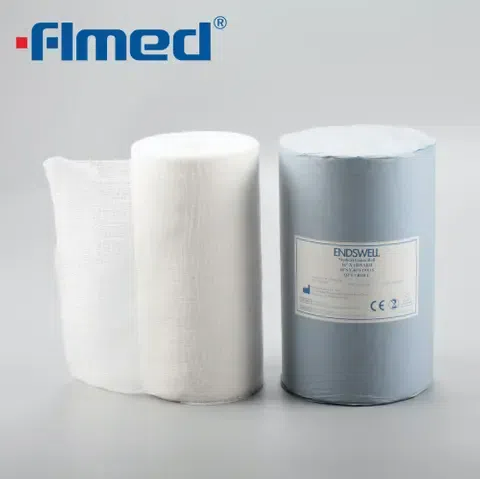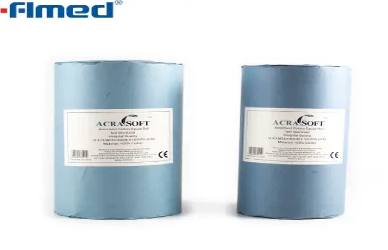
Proper wound care is essential for promoting healing, preventing infection, and minimizing complications. One of the key components in effective wound care is the use of appropriate dressings and materials. Gauze rolls are commonly used in this process due to their versatility and effectiveness in covering larger wounds. A gauze roll is a long, flexible piece of gauze that can be wrapped around wounds to provide consistent coverage, absorb exudate, and help secure other dressings in place. Unlike smaller gauze swabs, gauze rolls are particularly useful for treating large, irregularly shaped wounds or areas that require extended coverage, such as burns, surgical sites, or joint injuries. They are designed to be comfortable, breathable, and highly absorbent, making them a reliable choice for both minor and serious wound care.
What is a Gauze Roll?
A gauze roll is a long, continuous strip of woven or non-woven fabric used primarily for wound care. It is designed to be wrapped around wounds or body parts to provide coverage, absorb exudate, and secure other dressings in place. Gauze rolls are particularly effective for larger or irregularly shaped wounds that require consistent, flexible coverage.
1.Definition and Composition of Gauze Rolls
A gauze roll is made from a series of threads woven together to form a soft, breathable fabric. The length of the roll allows it to be cut or used to wrap around wounds of various sizes. Gauze rolls are often available in different widths, making them adaptable for different applications. The material is designed to be absorbent, helping to manage wound exudate while maintaining a clean, dry environment for healing.
2.Difference Between Gauze Swabs and Gauze Rolls
While gauze swabs are small, pre-cut pieces of gauze used for cleaning wounds, absorbing fluid, or applying pressure, gauze rolls are long, continuous strips meant for wrapping and securing dressings. Gauze rolls are typically used for larger wounds, such as surgical sites, burns, or those that cover a larger surface area. They are more versatile than swabs due to their ability to conform to irregular shapes and cover extensive areas, whereas gauze swabs are better suited for smaller, localized wounds.
3.Common Materials Used
Cotton: The most common material for both gauze rolls and swabs, cotton is soft, absorbent, and biocompatible, making it ideal for direct contact with wounds. It helps to absorb excess fluid while maintaining airflow around the wound.
Polyester: Some gauze rolls incorporate polyester fibers for added durability and reduced linting. This makes them more resistant to wear and tear, especially in situations where long-term application is necessary.
Blended Materials: Some gauze rolls are made from blends of cotton and synthetic fibers, offering a combination of absorbency and strength, along with improved moisture-wicking properties.
When Should You Use a Gauze Roll?
Gauze rolls are a versatile and essential tool in wound care, particularly for larger, irregularly shaped wounds. Their flexibility and absorbency make them the ideal choice for several specific situations in which other wound care products might be less effective.
1.Ideal Scenarios for Using a Gauze Roll
Wrapping Larger Wounds: Gauze rolls are perfect for covering large wounds, such as those from surgical procedures, trauma, or injuries that require extensive coverage. The long, continuous strip can be wrapped around the wound multiple times, providing uniform coverage and support.
Burns: For burns, gauze rolls help to cover the affected area with a breathable, absorbent material that keeps the wound clean and protected from external contaminants. They also assist in minimizing pain and discomfort by reducing friction.
Securing Other Dressings: In cases where a primary dressing or wound covering needs to be secured in place, gauze rolls can be wrapped around the wound and taped to hold the dressing securely. This is particularly useful for areas that are hard to bandage, like joints, or for wounds that require frequent changing.
Joint and Limb Wrapping: The flexibility of gauze rolls makes them ideal for wrapping around limbs, elbows, knees, or other areas with irregular shapes. This ensures that the dressing stays in place and provides protection from further injury.
2.Benefits of Gauze Rolls in Comparison to Other Wound Care Products
Versatility: Unlike pre-cut gauze swabs or adhesive dressings, gauze rolls can be adjusted to fit different wound sizes and shapes. They are highly adaptable, allowing for customized coverage.
Breathability: Gauze rolls are made from materials that allow air to circulate around the wound, promoting healing by keeping the wound environment dry and oxygenated.
Absorbency: The absorbent nature of gauze rolls helps to manage wound exudate, drawing moisture away from the wound bed while keeping the surrounding skin protected from maceration.
Cost-Effective: Gauze rolls are often more economical than pre-packaged dressings, especially for large wounds or when frequent dressing changes are required. They are available in various widths and lengths, offering flexibility for different applications.

How to Properly Apply a Gauze Roll
Proper application of a gauze roll is crucial for wound care. Here’s a step-by-step guide to ensure effective use:
1. Preparation of the Wound: Cleaning and Disinfecting
Wash hands thoroughly and clean the wound with sterile saline or antiseptic to remove dirt and bacteria.
Dry the wound and surrounding skin with a sterile towel or gauze.
2. Preparing the Gauze Roll: Choosing the Right Size
Select the correct size: Choose a gauze roll that fits the wound area. Gauze rolls come in various widths (e.g., 2 inches, 4 inches).
Ensure sterility: Handle the gauze by the edges to maintain sterility, especially for open or surgical wounds.
3. Application Techniques
Position the gauze roll at the wound's edge and begin wrapping it in a spiral or circular motion.
Overlap each layer slightly to ensure full coverage. Wrap snugly but not too tight to avoid restricting blood flow.
Adjust for shape: If the wound is on a joint or limb, wrap according to the shape of the area.
4. Securing the Gauze
Use medical tape to secure the end of the gauze roll in place. Ensure the tape is not too tight.
Additional bandages or dressings can be used for extra security, especially for large wounds or areas needing more support.
Key Considerations and Tips
When using a gauze roll, following key guidelines ensures proper healing and prevents complications:
1. Avoid Wrapping Too Tightly or Loosely
Tight wrapping can restrict blood flow, causing discomfort and tissue damage. Wrap snugly, but not too tight.
Loose wrapping may lead to inadequate coverage, increasing the risk of infection. Ensure the gauze stays in place and provides adequate support.
2. How to Monitor the Wound for Infection
Watch for infection signs: Look for increased redness, swelling, pus, or foul odor. These may indicate an infection.
Change the gauze regularly (every 24-48 hours) to keep the wound clean and reduce infection risks.
3. Adjusting the Wrap for Comfort and Proper Circulation
Ensure comfort: The gauze should fit snugly without causing pressure or irritation.
Check circulation: After wrapping, ensure there are no signs of poor circulation, such as numbness or coldness. If these occur, loosen the wrap.
When to Change the Gauze Roll
Changing the gauze roll at the right time is crucial for wound healing and infection prevention. Gauze rolls should be replaced when they become saturated, soiled, or no longer provide adequate coverage.
1.Recommended Intervals for Changing the Gauze Roll
Every 24-48 hours: Generally, change the gauze every 24 to 48 hours, depending on the wound's size and drainage. Heavier drainage may require more frequent changes.
Follow medical advice: Always adhere to healthcare provider instructions for specific wound care needs.
2.Signs That the Gauze Should Be Replaced
Wetness or Saturation: Change the gauze when it becomes soaked with exudate to prevent infection.
Soiling or Contamination: Replace if the gauze becomes dirty or exposed to contaminants.
Discomfort or Tightness: If the gauze feels tight or causes discomfort, replace it to avoid restricted blood flow.
Signs of Infection: If the wound shows signs of infection (increased redness, swelling, or odor), change the gauze and seek medical help.
FAQ:
1.What types of wounds are best suited for a gauze roll?
Gauze rolls are ideal for larger wounds, burns, or for securing dressings in place on irregularly shaped areas like joints.
2.Can a gauze roll be used for both minor and major wounds?
Yes, but it’s most commonly used for larger or more complex wounds that require consistent coverage.
3.How do you know when to replace the gauze roll?
Replace the gauze roll when it becomes damp, soiled, or if the wound shows signs of infection, such as redness or increased pain.
4.Is it okay to use a gauze roll on sensitive or fragile skin?
For sensitive skin, ensure the gauze is not too tight and consider using a soft, hypoallergenic version to avoid irritation.
Conclusion
Proper application of a gauze roll is crucial for effective wound care and healing. When applied correctly, gauze rolls help protect the wound, absorb excess exudate, and keep the area clean, reducing the risk of infection and promoting faster recovery. It’s essential to ensure the gauze is applied snugly, without being too tight, and that it remains in place to prevent contamination. Regularly monitor the wound for signs of infection and change the gauze as needed, typically every 24-48 hours. For safe use, always choose the right size gauze, keep the wound area clean before application, and adjust the wrap for comfort and proper circulation. By following these guidelines, you can maximize the benefits of gauze rolls for effective wound management and optimal healing.

 English