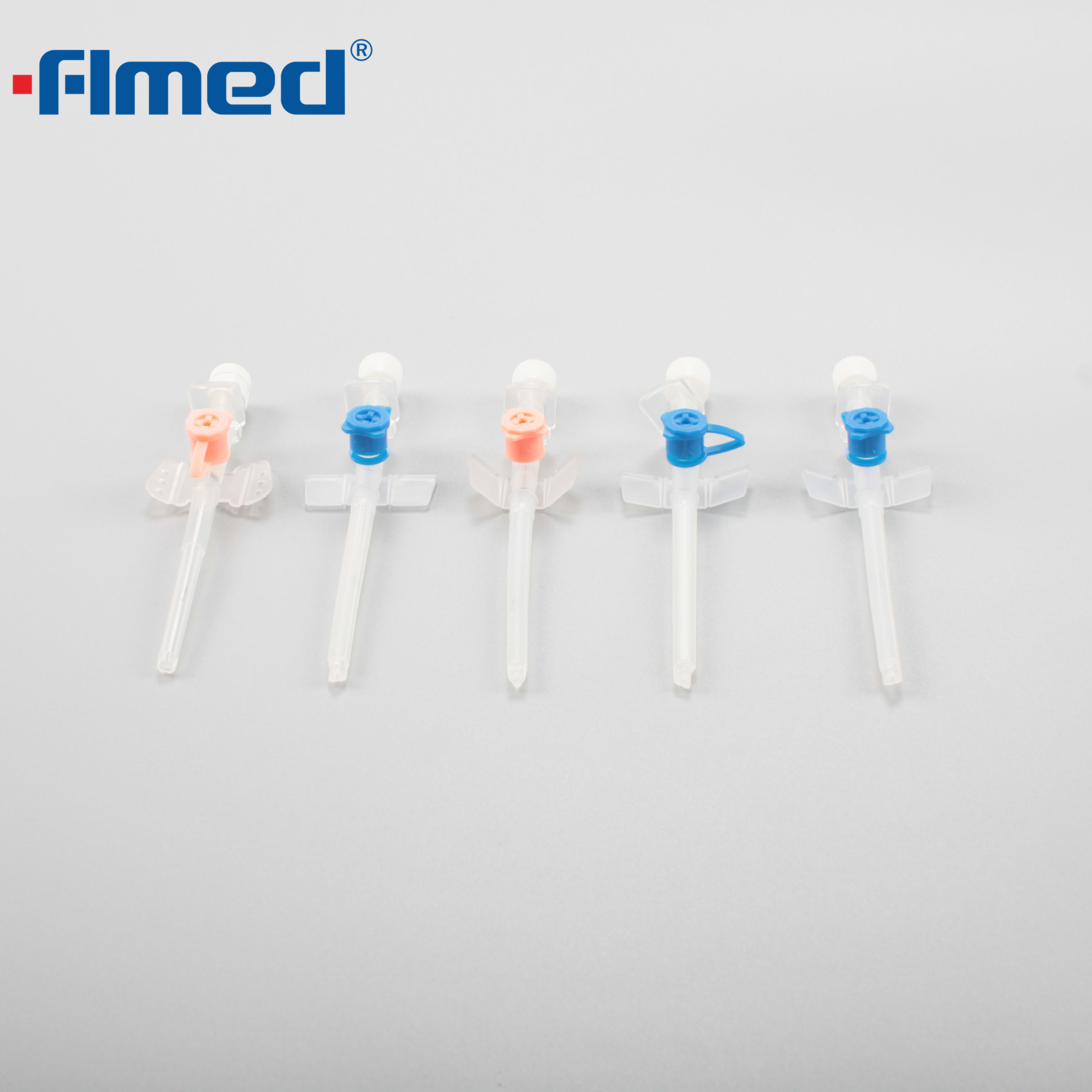
In medical settings, intravenous (IV) cannulas play a crucial role in providing patients with essential fluids, medications, and treatments. However, there is often a question regarding the duration for which an IV cannula can remain in place. In this article, we will explore the factors influencing the lifespan of an IV cannula, the risks associated with prolonged use, and the general guidelines for its safe duration.
Factors Influencing the Lifespan of an IV Cannula
The duration an IV cannula can stay in place depends on various factors, including the patient's medical condition, the type of treatment, and the cannula's location. Here are some key factors:
1. Treatment Plan
The type of treatment being administered through the IV line is a significant factor. Some treatments, such as intravenous antibiotics or chemotherapy, may require longer durations of IV access, while others, like simple hydration, may only be necessary for a shorter time.
2. Vein Health
The condition of the patient's veins is crucial. If the veins are healthy and the cannula is well-placed, it may remain in position longer. However, if the veins become irritated or damaged, the cannula may need to be repositioned or replaced.
3. Infection Risk
One of the primary concerns with prolonged IV cannula use is the risk of infection. The longer the cannula remains in place, the higher the risk of bacteria entering the bloodstream. Healthcare providers monitor the site for signs of infection, such as redness, swelling, or tenderness.
Risks Associated with Prolonged IV Cannula Use
While IV cannulas are essential for delivering critical care, prolonged use can pose certain risks to patients:
1. Infection
As mentioned earlier, the longer an IV cannula remains in place, the greater the risk of infection. This can lead to serious complications, including bloodstream infections (sepsis) that may require extended hospitalization and treatment.
2. Phlebitis
Phlebitis is the inflammation of a vein, often caused by the presence of an IV cannula. Prolonged use can increase the likelihood of phlebitis, resulting in pain, redness, and swelling along the vein.
3. Blockage
Over time, IV cannulas can become blocked or obstructed by blood clots, medication residue, or other factors. This can impede the flow of fluids or medications, necessitating the removal and replacement of the cannula.
General Guidelines for Safe Duration
While there is no fixed rule for how long an IV cannula can stay in place, healthcare providers follow general guidelines to ensure patient safety:
Regular Assessment: Healthcare professionals regularly assess the IV site and the patient's condition to determine if the cannula can remain in place or if it should be replaced or repositioned.
Documentation: Proper documentation of the cannula's placement and monitoring is essential for tracking its duration and ensuring patient safety.
Aseptic Technique: Strict aseptic technique during cannula insertion and care is crucial to minimize infection risks.
Patient Education: Patients should be educated about the signs of infection or complications and encouraged to report any issues promptly.
In conclusion, the duration for which an IV cannula can stay in place varies depending on several factors. Healthcare providers carefully evaluate each patient's unique circumstances to determine the appropriate duration, while also prioritizing patient safety and infection prevention. Regular monitoring and communication between the patient and the healthcare team are essential for managing IV cannulas effectively and minimizing associated risks.

 English