Pain during dressing removal, unpleasant odor, frequent leakage, or messy changes often lead people to blame the material itself. In reality, most problems linked to Medical Gauze come from process errors rather than product failure. Gauze remains one of the most reliable and adaptable wound care materials available, but only when it is selected and applied correctly. Whether in home care, outpatient clinics, emergency rooms, or surgical support environments, avoiding common mistakes significantly improves healing outcomes and reduces unnecessary waste.
Understanding these mistakes is not about criticism—it is about prevention. When caregivers and healthcare professionals recognize what not to do, gauze swabs, gauze rolls, gauze bandages, and even lap sponges perform safely and efficiently. The goal is simple: clean handling, correct format selection, appropriate tension, and timely monitoring.
Mistake 1: Using Non-Sterile Gauze on an Open Wound
This mistake remains one of the most serious and yet most common errors in both home and low-resource clinical settings.
The Simple Rule That Prevents Complications
If gauze will directly contact an open wound, it must be sterile.
Open wounds include surgical incisions, deep cuts, punctures, burns, and injuries where the skin barrier is broken. Applying non-sterile gauze directly onto exposed tissue increases the risk of contamination.
Some caregivers assume that unopened packaging automatically means sterile. However, sterile labeling must be clearly indicated.
Packaging Check Before Application
Before opening any gauze product, verify:
Clear sterile labeling
Intact packaging without tears
No moisture damage
Valid expiration date
Secure sealing integrity
Compromised packaging may compromise sterility.
Forlong Medical, established in 2010, is a professional supplier of high-quality medical disposables. Its medical gauze products are manufactured under controlled conditions using medical-grade cotton and modern production facilities. Sterile packaging is carefully sealed to support safe wound contact. Consistent production standards reduce variability and help healthcare providers maintain safe protocols.
Mistake 2: Choosing the Wrong Format and Compensating with Extra Layers
Another frequent issue involves format confusion. Many people believe all gauze types function identically. In reality, format directly affects performance.
Symptoms That Indicate the Wrong Format
Wrapping a small wound repeatedly with wide gauze roll
Using a small gauze swab for a large draining wound
Frequent leakage due to insufficient coverage
Dressings that slip despite multiple layers
Excess material bulk causing discomfort
Instead of solving the issue, adding more layers increases waste and reduces comfort.
Corrective Action: Switch Format, Not Add Material
Each format serves a purpose:
Gauze swab for precise wound cleaning and coverage
Gauze roll for wrapping limbs and securing dressings
Gauze bandage for stabilization and light compression
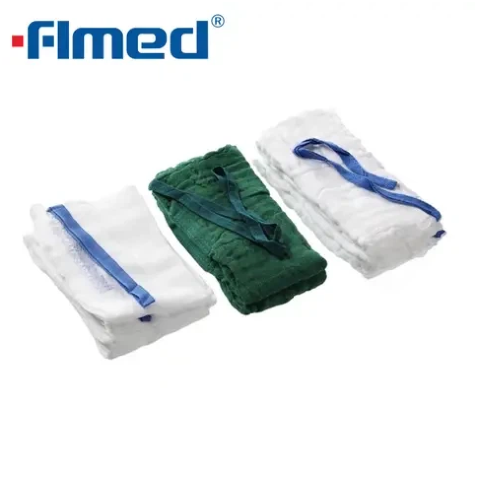
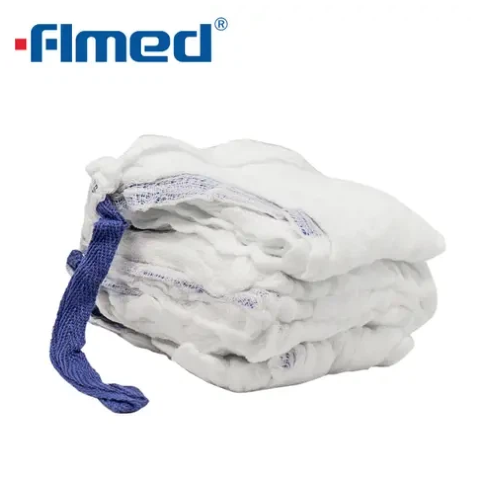
Lap sponges for surgical or high-absorption procedural needs
Using the correct format improves efficiency and reduces supply consumption.
Forlong Medical offers a comprehensive range of gauze formats, allowing distributors and healthcare providers to stock appropriately for diverse clinical situations. Proper format selection prevents unnecessary layering and enhances dressing stability.
Mistake 3: Wrapping Too Tight with Gauze Roll or Gauze Bandage
Over-tight wrapping is common, especially when caregivers aim for “extra security.”
Early Warning Signs of Excessive Compression
Tingling or numbness
Skin discoloration
Swelling below the dressing
Cold sensation in fingers or toes
Increased pain
Ignoring these signs may restrict circulation and cause discomfort.
Correct Re-Wrapping Technique
To correct over-tight wrapping:
Remove the bandage carefully.
Allow circulation to normalize.
Reapply with moderate tension.
Overlap layers evenly without stretching excessively.
The dressing should feel secure but not restrictive. A good rule is that you should be able to slide a finger comfortably beneath the bandage.
High-quality gauze bandage materials help prevent excessive tightening by maintaining consistent elasticity and structural integrity. Forlong Medical manufactures gauze bandages designed to balance support with flexibility, reducing the risk of circulation-related issues.

Mistake 4: Letting Gauze Dry and Adhere to Healing Tissue
One of the most uncomfortable experiences in wound care is removing gauze that has dried onto the wound surface.
Why Dry Adhesion Causes Pain
When gauze remains in place too long, wound exudate may dry and bind the fibers to delicate tissue. Removing it abruptly can disrupt healing tissue and cause unnecessary pain.
This issue often occurs when dressing change intervals are extended beyond appropriate timing.
Safer Removal Strategy
If gauze appears adhered:
Moisten gently with sterile saline or wound-safe solution
Allow the fibers to soften
Remove slowly and steadily
Never pull dry gauze forcefully.
A Responsible View on Wet-to-Dry Dressing Practices
Traditional wet-to-dry dressing methods intentionally allow gauze to dry before removal. While sometimes used in specific clinical situations, this method may cause discomfort and remove healthy tissue unintentionally.
Modern wound care increasingly focuses on maintaining balanced moisture rather than allowing dressings to dry tightly against the wound.
Using gauze appropriately—whether as a primary or secondary dressing—helps prevent adhesion-related discomfort.
Mistake 5: Ignoring Early Signs of Infection or Delaying Professional Care
Gauze is a supportive dressing material, not a treatment for infection.
Red Flags That Require Attention
Watch for:
Increasing redness around the wound
Expanding swelling
Persistent warmth
Thick or unusual discharge
Unpleasant odor
Fever
These symptoms suggest possible infection and require medical evaluation.
Why “More Gauze” Is Not the Answer
Adding additional layers of gauze may temporarily absorb fluid or mask odor, but it does not treat infection.
Delaying professional assessment may allow complications to worsen.
Medical gauze plays a supportive role in wound management, but proper clinical evaluation remains essential when warning signs appear.
Additional Mistakes Often Overlooked
Beyond the five major errors, several smaller mistakes can also impact wound outcomes.
Opening Sterile Packages Too Early
Once opened, sterile gauze loses its sterility. Prepare the wound area first, then open packaging immediately before use.
Storing Gauze Improperly
Store gauze in a dry, clean environment. Exposure to moisture or dust can compromise product integrity.
Reusing Gauze
Medical gauze is intended for single use. Reusing increases contamination risk and reduces absorbency efficiency.
Ignoring Product Size Specifications
Using oversized gauze for minor wounds wastes material. Using undersized gauze increases leakage risk.
Selecting the correct size ensures both comfort and cost efficiency.
Dos and Don’ts Overview
Do | Don’t | Why It Matters | Recommended Format |
Use sterile for open wounds | Use non-sterile directly on exposed tissue | Reduces infection risk | Sterile gauze swab |
Select correct size | Add excessive layers | Prevents waste and discomfort | Swab or roll |
Wrap with moderate tension | Over-tighten | Maintains circulation | Gauze bandage |
Change saturated dressings | Leave too long | Prevents sticking and odor | Any format |
Monitor for infection | Ignore worsening symptoms | Protects patient safety | All formats |
This table provides a quick-reference framework for consistent, safe gauze application.
Why Quality and Correct Use Go Hand in Hand
Even the best manufacturing standards cannot compensate for improper handling. However, consistent quality significantly reduces variability.
Forlong Medical is one of the leading professional suppliers of high-quality medical disposables. The company provides gauze swabs, gauze rolls, gauze bandages, and lap sponges designed to conform to international standards. Through modern manufacturing facilities and long-term cooperation with global customers, Forlong Medical supports safe, consistent wound care practices.
Quality materials combined with proper application techniques minimize complications and enhance reliability across home care and clinical environments.
Conclusion
Good gauze use is clean, correctly sized, and carefully secured—never rushed. Avoiding common mistakes ensures that medical gauze performs safely, comfortably, and effectively in every setting. If you are looking for dependable supply and consistent product quality, review the full range of gauze swabs, gauze rolls, gauze bandages, and lap sponges from Forlong Medical and contact us for detailed specifications and cooperation opportunities. Choosing the right surgical dressing gauze supports safe healing, reliable absorption, and efficient wound management.
FAQ
1. What is the most common mistake when using medical gauze?
Using non-sterile gauze directly on an open wound is one of the most frequent and serious mistakes.
2. Why does my gauze dressing cause pain during removal?
It may have dried and adhered to healing tissue. Moistening the gauze before removal can reduce discomfort.
3. How can I prevent gauze bandage from slipping?
Use proper overlapping technique and moderate tension. Selecting the correct width also improves stability.
4. When should I seek medical help instead of adding more gauze?
If you observe persistent redness, swelling, discharge, fever, or worsening pain, consult a healthcare professional promptly.

 English