The term kinds of oxygen mask sounds simple at first, yet it actually covers several designs made for different levels of oxygen support and different care situations. That is why hospitals, distributors, and healthcare buyers often need more than a quick product name before making a decision. Forlong Medical, a professional supplier of disposable medical products, offers respiratory care solutions designed for practical daily use, and this guide explains the main oxygen mask types in a clear way without turning the topic into a technical manual.
The Main Kinds of Oxygen Mask Used in Medical Care
Not every oxygen mask is built for the same task. Some are designed for routine moderate support, some for more controlled delivery, and others for higher-demand situations. Understanding these main categories helps readers see why one product may work well in a recovery room while another is better suited to emergency care.
Simple Oxygen Mask
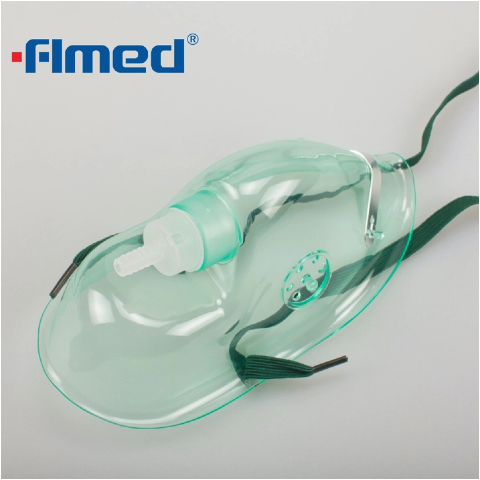
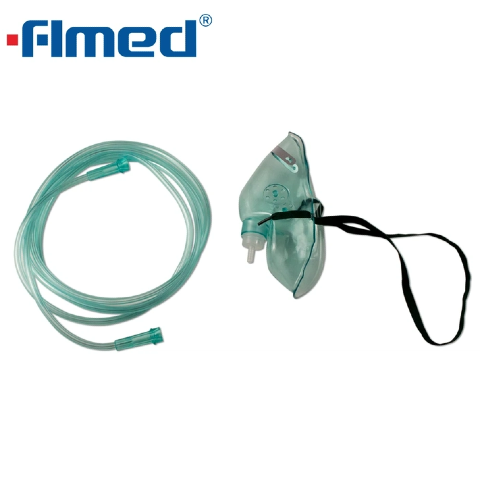
The simple oxygen mask is one of the most familiar options in general medical use. It covers the nose and mouth and is commonly used when a patient needs moderate oxygen support in a straightforward setup. This design remains widely used because it is easy to place, easy to connect, and practical for many routine hospital situations.
In bedside care, post-procedure recovery, and short-term monitoring, the simple oxygen mask often gives staff a good balance between support and convenience. It does not overcomplicate oxygen therapy, yet it provides broader coverage than lighter oxygen delivery methods. This is one reason it remains a standard item in many respiratory care product lines.
Forlong Medical supplies oxygen masks made from medical-grade materials with a soft, clear finish, helping improve comfort while allowing easier observation. Adjustable nose clips and elastic straps also support a better fit in day-to-day care.
Venturi and Controlled-Delivery Masks
Some situations call for more precise oxygen delivery rather than simply more oxygen. Controlled-delivery masks are used when care teams want a more specific concentration instead of a general increase. This type is useful when accuracy matters more than convenience alone.
The main difference is that these masks are selected for cases where a broader estimate is not enough. In some patient groups, small changes in oxygen concentration can matter, so a controlled-delivery design is more appropriate than a basic simple oxygen mask. That does not make one mask better than the other in every case. It simply shows that oxygen delivery should match the treatment goal.
Reservoir and High-Delivery Masks
Reservoir and high-delivery masks are designed for situations where a stronger oxygen environment is needed. They are often associated with urgent care or more serious short-term respiratory support. Compared with a standard simple oxygen mask, they are chosen when the demand is higher and the clinical situation is more intense.
These masks are valuable in the right setting, but they are not always the first choice for routine use. In many everyday hospital applications, a simpler product is more practical, more comfortable, and easier to monitor. That is why hospitals do not rely on only one style. Different conditions require different oxygen mask types.
Pediatric and Specialty Hospital Variations
Size and patient profile also affect the best choice. Pediatric patients need mask sizes and shapes suited to smaller faces, while some hospital departments may require products designed around a specific workflow. A mask that works well for an adult recovery patient may not be the right answer for a child or for a more specialized care environment.
This is where product range matters. Hospitals and distributors often need adult and pediatric options, clear sizing, reliable fit, and stable connector compatibility. Forlong Medical supports these practical needs by offering oxygen masks designed for daily medical use with attention to comfort, usability, and consistency.
Kinds of Oxygen Mask and Where They Fit Best
Mask type | Best setting | Oxygen delivery style | Comfort level | Notes for procurement |
Simple oxygen mask | Routine ward care, recovery, short-term support | Moderate and straightforward | Good for general use | Strong choice for standard hospital supply |
Controlled-delivery mask | Cases needing more specific oxygen concentration | More precise | Moderate | Useful when treatment requires tighter control |
Reservoir or high-delivery mask | Emergency and higher-demand support | Higher | Lower for routine wear | Better for urgent situations than everyday use |
Pediatric variation | Child-focused care | Depends on mask design | Must match size well | Sizing and fit are especially important |
Specialty hospital variation | Department-specific use | Depends on application | Varies | Often selected for workflow or patient group needs |
")
Why One Mask Does Not Fit Every Situation
Once the main categories are clear, the next point becomes obvious. One mask does not fit every care setting because hospitals deal with different patient needs, different time pressures, and different treatment goals. The best product is not the one with the most complex design. It is the one that suits the actual use.
Routine Bedside Care
Routine bedside care usually favors a product that is simple, comfortable, and easy to handle. This is where the simple oxygen mask works well. It can be applied quickly, adjusted without difficulty, and monitored easily during ordinary hospital workflow.
In these settings, comfort and visibility matter just as much as oxygen support. A clear mask body allows easier observation, while secure straps and a workable nose clip help reduce constant repositioning. That is why a standard oxygen mask for hospital use remains so important. Daily care often depends on reliable products that are easy to use well.
Controlled Oxygen Delivery
Some patients need a more specific oxygen concentration rather than general moderate support. This is where controlled-delivery masks make sense. They are chosen for a defined purpose, not for routine convenience.
This difference is important for both buyers and end users. It helps explain why product selection should start with the care goal. A simple oxygen mask may be ideal for one patient, while another case calls for more measured control. Understanding this avoids the mistake of comparing all masks as if they were designed for the same job.
Higher-Demand Emergency Support
Emergency care places different demands on oxygen delivery. In these situations, speed matters, oxygen demand may be higher, and the product may need to support urgent short-term intervention. A reservoir or higher-delivery mask is often more suitable here than a standard routine mask.
Even so, this does not reduce the importance of the simple oxygen mask. Most hospitals need both routine-use products and higher-support options because patient needs vary. A complete respiratory care range should reflect that reality rather than focus on only one type.
Medical Oxygen Masks Are Not the Same as Aircraft Oxygen Masks
People sometimes assume that all oxygen masks serve roughly the same purpose because the name sounds familiar. In practice, medical oxygen masks are very different from aviation oxygen systems. This distinction also helps make the article more useful, because readers searching broad oxygen mask terms may come across aviation-related products and wonder whether they are comparable.
What an Aircraft Oxygen Mask Is Designed to Do
An aircraft oxygen mask is designed for emergency aviation use, especially when cabin pressure changes suddenly or passengers need short-term oxygen support during an in-flight event. The purpose is rapid deployment and emergency protection, not routine medical therapy.
Passenger oxygen systems in aircraft are built around quick access and immediate response. They are not designed for the same kind of hospital workflow, patient monitoring, or controlled bedside support seen in healthcare settings.
What a Pilot Oxygen Mask Is Designed to Do
A pilot oxygen mask has a different role again. It is linked to aviation operation, altitude demands, and flight safety. It is built for the needs of crew use in a very specific environment. That makes it entirely different from a hospital oxygen mask in both function and design priority.
A pilot oxygen mask may focus on seal, flight use, and performance in an aircraft setting, while a hospital mask focuses on patient comfort, visibility, easy connection, and practical oxygen therapy. The names may sound related, but the products are not interchangeable.
Why This Comparison Matters for Readers
This comparison matters because buyers, distributors, and readers often search broad oxygen-related terms online. Seeing aircraft oxygen mask or pilot oxygen mask in search results can create confusion if the difference is not explained clearly. The key point is simple: aviation oxygen systems are built for flight conditions, while medical oxygen masks are built for patient care.
That is also why article structure matters for Google visibility. A clear explanation of related but different product types helps answer real search questions while keeping the main topic focused on medical use.
How to Narrow the Choice Without Overcomplicating It
After reviewing the main categories, readers usually want a practical way to narrow the choice. The easiest method is to begin with the care setting, then look at fit, comfort, and product details. This keeps the decision process clear without making it feel overly technical.
Start With the Care Setting
The first question should be where the mask will be used. A recovery room, a general ward, an emergency area, and patient transport inside the hospital all place different demands on the product. A simple oxygen mask is often enough for routine support, while a different design may be needed for more precise or higher-demand oxygen delivery.
This care-setting approach also makes stock planning easier. Instead of viewing all oxygen mask types as one group, buyers can match products to the environments where they will actually be used.
Then Look at Mask Fit and Product Details
Once the setting is clear, practical product details matter. A good mask should offer comfort, transparency, stable tubing connection, and dependable fit. Adult and pediatric sizing should be considered carefully, because poor sizing affects both usability and performance.
Forlong Medical focuses on these everyday details because they shape the real experience of oxygen therapy. A mask that is soft, clear, and easy to connect can support smoother care, better handling, and more consistent results across routine hospital use.
Conclusion
The best answer to the question is not just a list of names. Real value comes from understanding how different oxygen mask types fit different care situations, from routine bedside support to controlled delivery and urgent use. Forlong Medical provides respiratory care products designed for practical medical settings, helping customers match product choice to real needs with greater confidence. If you are reviewing options for hospital supply or distribution, contact us to learn more about our medical Oxygen Mask range and available support.
FAQ
What are the main kinds of oxygen mask used in hospitals?
The main kinds of oxygen mask used in hospitals usually include the simple oxygen mask, controlled-delivery masks, higher-delivery reservoir styles, and pediatric or specialty variations for specific patient needs.
Why is a simple oxygen mask still widely used?
A simple oxygen mask remains widely used because it is practical for moderate oxygen support, easy to apply, and well suited to routine bedside care, recovery, and short-term hospital use.
Are aircraft oxygen mask products the same as medical oxygen masks?
No. An aircraft oxygen mask is designed for aviation emergencies, while a medical oxygen mask is designed for patient care, hospital workflow, and routine oxygen therapy.
How do I narrow down the right oxygen mask types for my market?
Start with the care setting, then review oxygen delivery needs, mask fit, connector compatibility, comfort, and adult or pediatric sizing. This makes the choice clearer and more useful in real applications.

 English