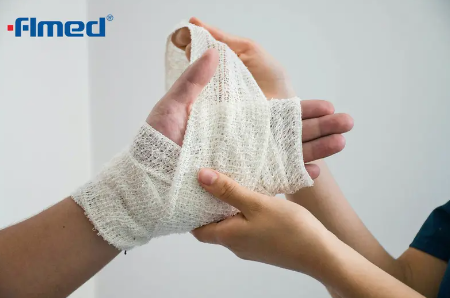
Wound care is a critical aspect of medical treatment, especially in clinical and industrial settings. Proper Wound Dressing is essential for preventing infections, promoting healing, and ensuring patient comfort. For factories, distributors, and wholesalers in the medical industry, understanding the principles of wound dressing is crucial for providing high-quality products to healthcare providers. This article will explore the five fundamental rules of wound dressing, focusing on best practices that ensure optimal wound care.
In this guide, we will discuss the essential rules of wound dressing, which include maintaining a sterile environment, choosing the right dressing, ensuring proper wound cleaning, securing the dressing, and monitoring the wound for signs of infection. These principles are not only important for healthcare providers but also for Wound Dressing manufacturers and suppliers who need to ensure that their products meet industry standards.
For those in the medical supply chain, including distributors and wholesalers, it is vital to stay informed about the latest advancements in wound care products, such as Wound Dressing innovations. For more information on the latest products, visit the Wound Dressing section on Forlong Medical's website.
1. Maintain a Sterile Environment
The first and most important rule of wound dressing is maintaining a sterile environment. This step is crucial to prevent infections, which can complicate the healing process. A sterile environment ensures that no harmful bacteria or pathogens come into contact with the wound.
For wound care professionals, this means using sterile gloves, tools, and Wound Dressing materials. For manufacturers and suppliers, it is essential to ensure that the products are packaged in sterile conditions and remain uncontaminated during transportation and storage. The use of sterile Wound Dressing products, such as those available at Forlong Medical, is critical in maintaining a sterile environment.
2. Choose the Right Dressing
Selecting the appropriate dressing for the wound type is the second rule of wound care. Different wounds require different types of dressings, depending on factors such as the size, depth, and level of exudate (fluid). For example, a wound with heavy exudate may require an absorbent dressing, while a dry wound may need a moisture-retentive dressing.
Manufacturers and suppliers should offer a wide range of Wound Dressing products to meet the diverse needs of healthcare providers. These products should include gauze, hydrocolloid dressings, and foam dressings, among others. For a comprehensive selection of wound care products, visit Forlong Medical's Gauze Swab Collection.
3. Clean the Wound Properly
Before applying any dressing, it is essential to clean the wound thoroughly. Proper wound cleaning removes debris, bacteria, and dead tissue, which can impede healing and increase the risk of infection. The wound should be cleaned with a sterile saline solution or an antiseptic, depending on the wound type and severity.
For manufacturers, providing sterile cleaning solutions or antiseptic wipes as part of a Wound Dressing kit can be a valuable addition to their product offerings. For example, antiseptic wipes like those found in Forlong Medical's Alcohol Swab section are ideal for wound cleaning before dressing application.
4. Secure the Dressing
Once the appropriate dressing has been applied, it must be secured in place to protect the wound and promote healing. The dressing should be secured using medical tape, bandages, or adhesive dressings, depending on the wound location and patient mobility. It is important to ensure that the dressing is not too tight, as this can restrict blood flow and delay healing.
Suppliers should offer a variety of securing options, such as cohesive bandages, adhesive tapes, and self-adhesive dressings. For more information on securing dressings, visit Forlong Medical's Cohesive Bandages section.
5. Monitor the Wound for Signs of Infection
The final rule of wound dressing is to monitor the wound regularly for signs of infection. Indicators of infection include increased redness, swelling, warmth, and discharge from the wound. If any of these signs are present, the wound should be reassessed, and the dressing may need to be changed more frequently.
For distributors and wholesalers, providing educational materials on wound monitoring can help healthcare providers ensure proper wound care. Additionally, offering products that facilitate wound monitoring, such as transparent dressings, can be beneficial. To explore transparent dressings, visit Forlong Medical's Wound Dressing page.
In conclusion, adhering to the five rules of wound dressing—maintaining a sterile environment, choosing the right dressing, cleaning the wound, securing the dressing, and monitoring for infection—is essential for effective wound care. For manufacturers, distributors, and wholesalers, understanding these principles is crucial for providing high-quality Wound Dressing products that meet the needs of healthcare providers.
By offering a wide range of sterile and effective wound care products, suppliers can ensure that healthcare providers have the tools they need to promote healing and prevent infections. For more information on Wound Dressing products, visit Forlong Medical's Wound Dressing section.

 English