Wound care is an essential aspect of healthcare that involves cleaning, protecting, and promoting the healing of injuries. Various products are used in wound management, each designed to address specific needs such as absorbing exudate, preventing infection, and providing protection from external elements. Among these, gauze bandages play a crucial role. These versatile dressings are commonly used to cover and protect wounds, offering both absorbency and flexibility. Unlike rigid bandages or adhesive dressings, gauze bandages can be easily wrapped around irregular or large wounds, providing comfort and support while ensuring that the wound stays clean. They are especially useful for securing other dressings in place, supporting areas with high mobility (like joints), and covering burns or swollen wounds. Gauze bandages are an indispensable tool in both emergency care and everyday wound management, helping to facilitate faster healing and reduce the risk of complications.
What is a Gauze Bandage?
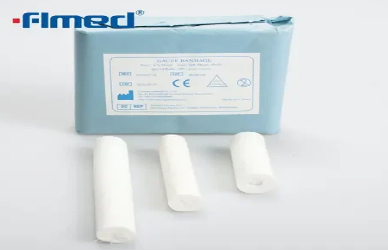
A gauze bandage is a soft, woven fabric used in wound care to cover, protect, and support injured areas. It is designed to provide both flexibility and breathability while ensuring that the wound remains clean and free from external contaminants. Gauze bandages are often used to secure other dressings in place, absorb exudate, and provide gentle pressure to minimize swelling and promote healing.
1.Definition and Composition of a Gauze Bandage
A gauze bandage typically consists of a woven material, often made from cotton or synthetic fibers, designed to be wrapped around a wound or injury. The material allows air to flow around the wound, which is essential for healing. Gauze bandages can vary in width and length to accommodate different sizes of wounds, and they are available in both sterile and non-sterile forms depending on the type of injury.
2.Difference Between Gauze Bandages and Gauze Rolls or Swabs
Gauze Bandages: These are long strips of gauze that are primarily used for wrapping around wounds or securing other dressings. They provide support and flexibility, making them ideal for wrapping around joints or large, irregularly shaped wounds.
Gauze Rolls: Gauze rolls are similar but are typically a continuous strip of gauze, which can be cut to the desired length. Gauze rolls are more versatile and can be used for a variety of applications, including covering large areas and securing dressings.
Gauze Swabs: Gauze swabs are smaller, pre-cut pieces of gauze, usually used for cleaning, absorbing exudate, or applying pressure to stop bleeding. They are not typically used for wrapping, unlike bandages or rolls.
3.Common Materials Used
Cotton: Cotton is the most common material used for gauze bandages. It is soft, absorbent, and biocompatible, making it ideal for direct contact with the skin and wounds. It also allows air circulation, which promotes healing.
Polyester: Some gauze bandages are made from polyester fibers or blended with cotton. These materials provide added durability, strength, and resistance to tearing, especially in situations where long-term use is required.
Blended Materials: Many gauze bandages are made from a blend of cotton and synthetic fibers. These blended materials combine the comfort and absorbency of cotton with the strength and durability of synthetic fibers, offering both flexibility and better moisture control.
When Should You Choose a Gauze Bandage?
Choosing the right wound care product is essential for effective healing and protection. Gauze bandages are particularly useful in several scenarios, as they provide flexibility, breathability, and support. Here are some ideal situations when a gauze bandage should be chosen:
1. Large or Irregular Wounds
For large or complex wounds that cover a significant area, gauze bandages are an excellent choice. Unlike smaller dressings or gauze swabs, gauze bandages are long, flexible strips that can be wrapped securely around the wound. This makes them ideal for covering larger areas, such as after surgery or in cases of trauma, ensuring comprehensive coverage while allowing for movement.
2. Securing Other Dressings
When additional support or coverage is needed, gauze bandages are perfect for securing other primary dressings in place. For example, if a sterile dressing is applied to a wound, a gauze bandage can be used to hold it securely, preventing it from shifting. This is especially important for wounds in hard-to-bandage areas like the scalp or torso.
3. For Active Movement Areas
Gauze bandages are ideal for areas of the body that require flexibility and movement, such as joints, elbows, knees, or wrists. The flexible nature of the gauze bandage allows it to conform to the shape of the body, making it comfortable for wounds located on areas that experience frequent movement. This flexibility helps maintain proper circulation while keeping the wound protected.
4. Burns or Swollen Wounds
Gauze bandages are often recommended for burns or swollen wounds because they provide gentle pressure and coverage, helping to reduce swelling and prevent further irritation. The breathable fabric allows for air circulation, which promotes healing while minimizing the risk of infection. Additionally, they can be used to cover burns without sticking to the wound, ensuring that the wound dressing remains intact and sterile.

Benefits of Gauze Bandages in Comparison to Other Wound Care Products
Gauze bandages offer several advantages over other wound care products, making them a preferred choice in many situations. Their flexibility, breathability, absorbency, and cost-effectiveness provide unique benefits that contribute to effective wound management and healing.
1. Flexibility and Versatility
One of the primary benefits of gauze bandages is their flexibility. Unlike rigid dressings, gauze bandages can easily conform to the contours and shapes of the body. This makes them ideal for irregularly shaped wounds, such as those on joints, elbows, or knees, where traditional dressings might not stay in place or provide adequate coverage. Their versatility also means they can be used for various wound types, from minor cuts to larger surgical sites, providing reliable protection and comfort.
2. Breathability and Absorbency
Gauze bandages are highly breathable, allowing air to circulate around the wound. This is crucial for wound healing, as it helps to keep the wound environment dry and reduces the risk of infection. The absorbent nature of gauze also draws moisture away from the wound bed, preventing maceration (softening of the skin caused by prolonged exposure to moisture) and promoting faster healing. This makes gauze bandages particularly effective for wounds with moderate to low levels of exudate (fluid).
3. Cost-Effective
Compared to other specialized wound care products such as hydrocolloid dressings, foam dressings, or hydrogels, gauze bandages are often more cost-effective. They provide a reliable, accessible solution for covering wounds without the higher cost of advanced wound care products. This makes gauze bandages a preferred choice for long-term wound care, especially in situations where frequent dressing changes are necessary. Additionally, gauze bandages are available in various sizes and lengths, allowing for customizable coverage at an affordable price.
Key Considerations When Using Gauze Bandages
To ensure effective use of gauze bandages, consider the following key points:
1. Correct Wrapping Techniques for Proper Support
Wrap evenly: Apply the gauze evenly to provide uniform pressure and support, ensuring comfort and stability.
Layering: For larger or deeper wounds, use multiple layers for better absorption without making the bandage bulky.
Wrap in the right direction: Follow the body’s contours for a secure, comfortable fit, especially around joints and limbs.
2. Preventing Tightness to Avoid Restricted Circulation
Avoid tight wrapping: Ensure the bandage is snug, but not tight. Tight wraps can restrict blood flow, leading to pain or swelling.
Check circulation: Look for signs of poor circulation such as numbness, tingling, or color changes in the skin. Loosen the bandage if any of these occur.
3. Monitoring for Infection and Signs of Inadequate Coverage
Watch for infection: Check regularly for redness, swelling, pus, or unpleasant odors. If any signs of infection appear, change the gauze and seek medical advice.
Ensure proper coverage: Make sure the bandage fully covers the wound. If it shifts, replace it to avoid contamination.
FAQ:
1.Can gauze bandages be used for all types of wounds?
No, they are best for larger or irregularly shaped wounds that need flexible coverage and support.
2.How does a gauze bandage compare to a gauze roll?
Gauze rolls are typically used for wrapping, while gauze bandages are better for securing dressings in place or covering large wounds.
3.Are gauze bandages suitable for burns?
Yes, gauze bandages are ideal for covering burns, as they offer gentle pressure and allow the wound to breathe.
4.How do I know if the gauze bandage is too tight?
If the wrapped area feels tight, uncomfortable, or shows signs of swelling or discoloration, the bandage may be too tight and should be adjusted.
Conclusion
In conclusion, gauze bandages are a versatile and effective solution for wound care, especially for covering larger, irregularly shaped wounds, securing other dressings, and providing support to areas that need flexibility, such as joints or limbs. They are also ideal for burns and wounds requiring gentle pressure and protection. When using a gauze bandage, it’s important to apply it evenly for proper support, avoid wrapping it too tightly to ensure good circulation, and monitor the wound for signs of infection or inadequate coverage. Regularly changing the bandage and ensuring proper hygiene are key to promoting healing and preventing complications. By following these tips, you can make the most of gauze bandages for safe, effective wound care.

 English