Gauze is everywhere—but it is not the best answer for every wound. The key is knowing exactly when Medical Gauze is the right choice and when another approach may be more suitable. Many people assume gauze is a universal solution, yet wound care is more precise than that. Understanding wound behavior, drainage levels, infection risk, and dressing goals helps ensure that gauze performs its function safely and effectively. When used correctly, it remains one of the most practical and adaptable tools in both clinical and home care settings.
Start with One Question: What Is the Wound Doing Right Now?
Before selecting any dressing, the most important step is observing the wound itself. Gauze works best when matched to wound behavior, not habit.
Bleeding, Weeping, or Dry and Healing?
Wounds generally fall into three simplified categories: actively bleeding, weeping with fluid, or dry and in a later healing phase. In everyday terms, this can be described as wet versus dry.
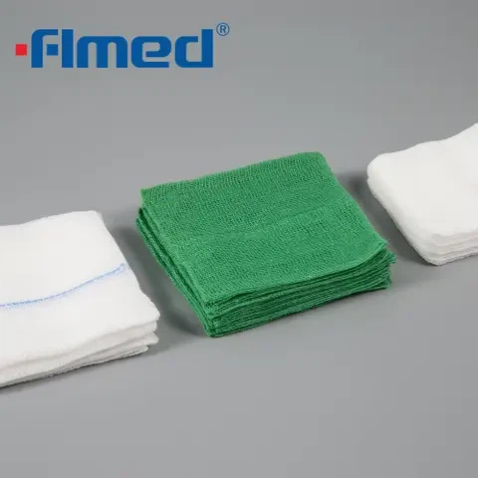
A bleeding wound requires absorption and gentle pressure. Gauze swabs are particularly useful here because they can be layered to control bleeding while remaining breathable. Their absorbent structure supports clot formation without completely sealing the surface.
A weeping wound produces exudate during early healing stages. In this case, gauze plays a vital role in absorbing drainage and protecting surrounding skin from moisture damage. Selecting an appropriate thickness ensures the wound stays clean without becoming overly saturated.
A dry wound in later healing stages may require protection rather than absorption. Gauze can still be used, but it may act more as a protective barrier or secondary layer rather than the primary solution.
Recognizing whether a wound is wet or dry determines whether gauze will function as the main dressing or as supportive coverage.
The Best Use Cases for Medical Gauze
When matched properly to wound needs, medical gauze delivers dependable results.
Controlling Bleeding and Protecting Fresh Wounds
Fresh cuts, abrasions, and minor surgical sites benefit from the absorbent structure of gauze. Its breathable composition allows oxygen exchange while helping manage blood flow.
Gauze swabs are especially effective for targeted coverage. They are easy to apply, simple to secure, and adaptable for small areas such as fingers, hands, or facial injuries. For larger surface wounds, multiple swabs can be layered to enhance absorption.
In emergency first-aid situations, gauze provides immediate practical support. It is lightweight, easy to store, and compatible with tape or bandaging systems.
Absorbing Drainage in Early-Stage Wounds
Early wound healing often involves moderate exudate. Gauze performs well in absorbing this fluid, reducing moisture buildup that could irritate surrounding skin.
Using gauze during this phase helps maintain a clean environment while allowing visual monitoring of drainage. Healthcare providers often prefer gauze during early stages because it allows easy replacement and inspection.
Cleaning Around the Wound
Gauze swabs are commonly used to clean around wounds. The key detail here is technique. Cleaning should be gentle and directed outward, avoiding aggressive scrubbing of the wound bed itself.
Because gauze is soft and absorbent, it supports controlled cleaning when combined with appropriate solutions. High-quality gauze with low lint minimizes the risk of fiber residue during this process.
Forlong Medical manufactures medical disposables with attention to absorbency, fiber stability, and handling comfort. As a professional supplier founded in 2010, Forlong Medical provides a complete range of surgical disposables designed for reliable use in healthcare environments worldwide.
When Gauze Is Usually a Secondary Dressing
Gauze does not always act as the main dressing. In many cases, it supports other wound care materials.
Holding Non-Adherent Layers in Place
Modern wound care often uses non-adherent primary dressings to protect delicate tissue. Gauze can then be wrapped over these layers to secure them.
A gauze bandage is particularly effective for stabilizing these dressing systems. Its flexibility allows it to conform to limbs, joints, and irregular surfaces without slipping easily.
Adding Padding and Protection Over Joints
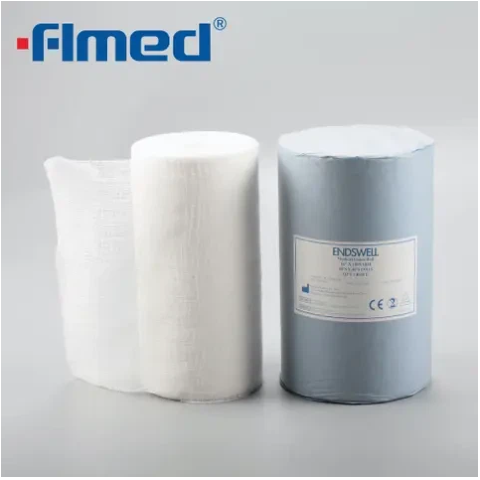
Areas such as elbows, knees, and ankles experience frequent movement. Gauze rolls provide cushioning and friction reduction, protecting wounds from mechanical irritation.
Padding also reduces discomfort during daily activities. In this context, gauze functions as a structural support rather than an absorbent surface.
Stabilizing Wraps and Providing Light Compression
Gauze bandage formats allow adjustable wrapping tension. When applied correctly, they can provide mild compression to help control swelling and minor bleeding.
The adaptability of gauze bandages makes them suitable for post-procedure stabilization and sports-related minor injuries. However, compression should always be moderate and carefully monitored.

Where Gauze May Be a Poor Fit
Although gauze is versatile, it is not ideal for every situation.
Sticking Risk on Delicate Healing Tissue
As wounds progress into later healing phases, tissue becomes more delicate. Gauze placed directly on fragile tissue can sometimes adhere to the surface if it dries out.
When removal is required, this may cause discomfort. In such cases, gauze may function better as a secondary layer over a non-adherent dressing rather than directly contacting the wound.
Wet-to-Dry Expectations and Modern Healing
Historically, wet-to-dry dressings were commonly used. However, modern wound care increasingly emphasizes moisture balance and tissue preservation.
Allowing gauze to dry completely onto a wound and then removing it may disrupt healing tissue. Many clinicians now limit this practice in routine care. Instead, gauze is often used in a more supportive, absorptive, or protective role rather than as a debridement tool.
Understanding these limitations does not reduce the value of gauze; rather, it ensures correct application.
Infection-Risk Situations: What Changes Immediately?
Infection risk alters dressing decisions significantly.
Sterile Supplies and Clean Handling
When a wound is open or post-surgical, sterile gauze is essential. Proper hand hygiene and clean working surfaces are equally important.
A simple checklist helps reduce risk:
Use sterile gauze for direct wound contact
Avoid touching the part of gauze that will contact the wound
Replace saturated dressings promptly
Dispose of used materials safely
Following these steps ensures gauze supports healing rather than introducing complications.
Red Flags That Require Medical Attention
Certain signs indicate the need for professional evaluation:
Increasing redness or swelling
Persistent pain
Unusual discharge or odor
Fever associated with wound
Gauze can manage routine wounds effectively, but recognizing when medical intervention is required ensures patient safety.
Wound Scenario Guide
The following table provides a practical overview of common wound situations and the appropriate gauze role.
Scenario | Gauze Role | Recommended Format | Add-On Support | Change Frequency |
Minor abrasion | Absorb + protect | Gauze swab | Medical tape | Daily or if wet |
Small cut | Control bleeding | Gauze swab | Tape or light wrap | When saturated |
Post-procedure site | Protect + secure | Gauze bandage | Non-adherent layer | As directed |
Burn cover | Protective layer | Gauze swab or roll | Light wrap | Regular monitoring |
Joint injury | Stabilize | Gauze bandage | Elastic wrap | Adjust if loose |
This structured approach simplifies decision-making and improves dressing outcomes.
Forlong Medical offers gauze swabs, gauze rolls, and gauze bandage options manufactured with medical-grade materials and modern production facilities. As a dedicated supplier of surgical disposables, the company maintains long-term partnerships with healthcare distributors and institutions worldwide. Its commitment to product consistency and responsive customer service ensures that clients receive reliable solutions for diverse wound care needs.
Conclusion
Medical gauze is a tool—match it to wound behavior. By observing whether a wound is bleeding, draining, or healing, and by understanding when gauze should act as a primary dressing or supportive layer, users can apply it effectively and safely. For healthcare providers and distributors seeking consistent, high-quality options, explore the available formats and contact Forlong Medical for detailed product information and cooperation opportunities. Choosing the right surgical dressing gauze ensures safer wound management and long-term value.
FAQ
1. Is medical gauze suitable for all wounds?
Medical gauze is suitable for many wounds, especially those that require absorption or protection. However, delicate healing wounds may require non-adherent primary dressings beneath gauze.
2. When should I use a gauze bandage instead of a gauze swab?
A gauze swab is ideal for small, targeted areas. A gauze bandage works better for wrapping limbs, stabilizing dressings, and providing light compression.
3. How often should gauze be changed?
Gauze should be changed whenever it becomes saturated, soiled, or according to healthcare guidance. Regular inspection helps prevent moisture buildup and infection risk.
4. Why is sterile gauze important for open wounds?
Sterile gauze reduces the risk of introducing microorganisms into open wounds, supporting safer healing and reducing complications.

 English