Forlong Medical has built a strong reputation since 2010 as a leading supplier of high-quality medical disposables, offering reliable solutions to clinics, hospitals, and distributors worldwide. When sourcing medical bandages from China, ensuring product quality is crucial not only for patient safety but also for maintaining trust with your clients. This guide helps procurement teams, quality assurance officers, and distributors navigate technical specifications, testing requirements, and supplier documentation, reducing risk while securing dependable products. By understanding what to check before placing an order, buyers can save time, avoid costly mistakes, and choose bandages that deliver consistent performance.
Who Should Read This
Sourcing medical bandages involves careful consideration, and the information provided here is primarily aimed at three groups:
Procurement Professionals – Buyers responsible for selecting and ordering bandages need to understand the technical aspects to make informed decisions. Knowing what documents and test reports to request can prevent suppliers from cutting corners or supplying substandard products.
Quality Assurance Teams – QA personnel must verify that products meet international standards and internal quality requirements. Proper evaluation ensures patient safety and protects the company’s reputation in competitive markets.
Distributors and Resellers – Businesses distributing medical bandages should ensure their stock is compliant and safe for clinical or personal use. Understanding regulatory differences between countries can prevent labeling errors or compliance issues.
By knowing what to look for in supplier documentation, testing reports, and manufacturing processes, these stakeholders can streamline procurement while guaranteeing that their products meet professional medical standards.
Must-Ask Product Specs & Test Reports
When evaluating medical bandages from a Chinese supplier, there are specific technical specifications and reports you should request:
EN 13726 Test Report for Wound Dressing Performance
The EN 13726 standard evaluates key performance characteristics such as absorption capacity, moisture vapor transmission rate (MVTR), and extensibility. These tests ensure that the bandage can adequately manage wound exudate while remaining comfortable for the patient. For procurement teams, reviewing a complete EN 13726 report helps identify the most suitable bandages for different wound types. For instance, high absorption ratings are essential for heavy exudate wounds, while flexibility is critical for bandages used on joints or moving areas.
Biocompatibility (ISO 10993 Series)
Biocompatibility testing according to the ISO 10993 series ensures that materials in contact with skin or wounds do not cause cytotoxicity, sensitization, or irritation. This is particularly relevant for bandages intended for long-term wear or for sensitive skin types. Many suppliers provide lab results confirming compliance with ISO 10993, and buyers should request these documents to verify safety. Choosing bandages that meet these standards reduces the risk of adverse reactions, especially in hospitals or care facilities with vulnerable patients.
Sterility Certificate, Batch Traceability, Packaging Integrity
Sterility is critical for wound care. Verify that suppliers provide a sterility certificate for each batch, along with documentation supporting traceability from production to distribution. Packaging integrity tests ensure that the bandage remains sterile until use. Additionally, batch traceability allows any defective product to be recalled quickly if necessary. These measures protect end-users and enhance confidence in your product catalog.
Shelf-Life and Storage Conditions
Ask suppliers about the recommended shelf-life and storage conditions for their bandages. Proper storage is crucial for maintaining sterility and material performance. Some bandages may require temperature-controlled storage, while others can tolerate standard warehouse conditions. Documenting these requirements helps distributors manage inventory more effectively and ensures that end-users receive high-quality, effective products.
Manufacturing & Material Questions
Raw Material and Weave Specifications
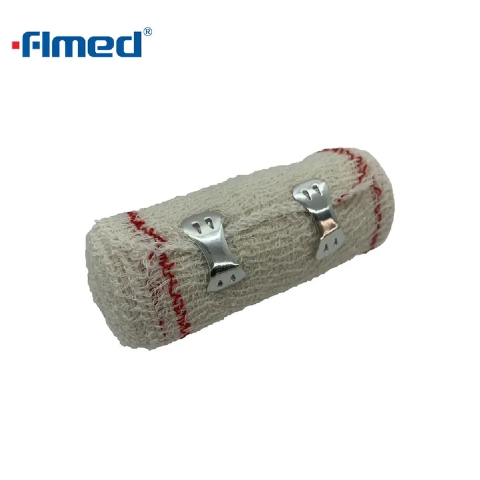
Bandages are made from a variety of materials such as cotton crepe, non-woven fabrics, and synthetic blends. Each material offers different absorption, flexibility, and comfort characteristics. Buyers should request detailed specifications on weave, thread count, stretch, and fabric weight. These details directly impact performance in both clinical and home settings. For example, a tightly woven cotton crepe bandage offers higher compression, whereas a soft non-woven bandage is ideal for sensitive skin and wound dressing.
Production Tolerances and Coating Methods
For cohesive or adhesive bandages, inquire about production tolerances and adhesive or coating methods. Proper finishing tests—such as tensile strength, elasticity, and adhesion performance—ensure the bandage performs consistently and reliably. Suppliers should provide documentation of in-process quality checks to demonstrate that production tolerances are maintained across all batches.
Sustainability and Material Sourcing
Increasingly, buyers are concerned about sustainability and the environmental impact of medical products. Ask suppliers about the source of their raw materials and whether their manufacturing processes reduce waste. Some suppliers now offer medical bandages made from eco-friendly or biodegradable materials, which can appeal to environmentally conscious clients and differentiate your product offering in the market.
Factory Audit Checklist
A thorough factory audit is an effective way to verify supplier capabilities. Key areas to assess include:
Quality Control Processes
Investigate whether the manufacturer conducts in-house testing or relies on third-party laboratories. Evaluate lot sampling protocols, labeling practices, and shelf-life verification. Rigorous QC processes minimize the risk of defective batches reaching the market, reducing the chance of customer complaints or recalls.
Documentation and Records
Request evidence of internal QA checks, calibration records for equipment, and employee training documentation. Factories with organized record-keeping practices are more likely to maintain consistent product quality. Additionally, auditing supplier training programs ensures that staff are skilled in proper manufacturing and hygiene practices.
Production Capacity and Lead Times
Understanding production capacity helps buyers plan large orders and avoid stock shortages. Ask suppliers about their maximum output and lead times for different bandage types. Reliable factories can scale production while maintaining quality, ensuring that your supply chain is uninterrupted even during peak demand.

Regulatory Landscape & Labeling to Watch
Understanding regulatory requirements helps ensure your products comply in multiple markets:
FDA Classification Trends
In the U.S., wound dressings are typically classified as Class I or Class II devices depending on risk factors. Products may require premarket notification or be exempt from it, depending on intended use. Knowing these classifications, along with labeling requirements for sterile and non-sterile bandages, ensures legal compliance and prevents costly delays in market entry.
EU vs US Labeling Differences
While U.S. labeling standards focus on device classification and intended use, the EU emphasizes CE marking and conformity with EN standards. Clarifying regulatory expectations for your target market ensures proper labeling and avoids customs or distribution issues. Highlighting compliance on your product pages can also increase buyer confidence and conversions.
Country-Specific Considerations
Some countries have unique regulatory requirements or import restrictions for medical devices, including bandages. Work closely with suppliers to obtain documentation that meets local standards. This ensures smooth customs clearance and allows for rapid distribution once products arrive at your warehouse or clinic.
How to Present Quality on Product Pages
When selling medical bandages online, presenting quality information transparently can boost conversions and trust:
Visual Proof
Include photos of lab reports (redacted if necessary), testing badges, and detailed spec sheets. Short demonstration videos showing absorption capacity, stretch, or cohesion provide tangible proof of product performance. Videos demonstrating compression or elastic stretch can be particularly persuasive for B2B buyers evaluating multiple suppliers.
Detailed Descriptions
Highlight technical specifications such as material type, width, stretchability, and sterilization method. Providing these details reassures buyers that the product is reliable and clinically suitable. Include information about EN 13726 and ISO 10993 compliance where available to strengthen credibility.
Documentation Downloads
Offering downloadable certificates or test reports allows buyers to verify compliance before placing an order. This transparency reduces friction in the procurement process and positions your company as a trustworthy, reliable supplier.
Educational Content
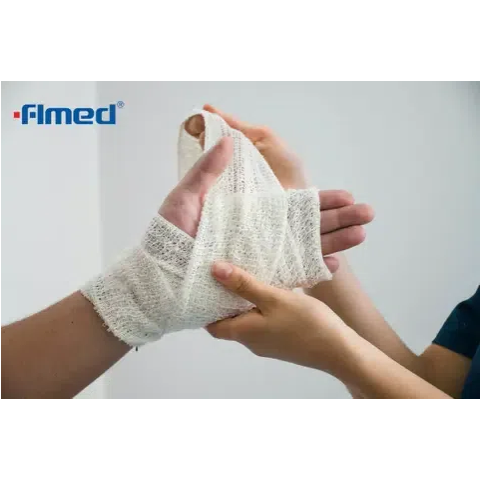
Providing guidance on how to use bandages correctly, such as how to wrap or secure a compression bandage, adds value for buyers. This approach not only increases trust but also positions your company as an expert in medical supplies, fostering long-term customer relationships.
Conclusion
High-quality medical bandages are essential for patient safety, wound management, and professional credibility. By verifying EN 13726 performance tests, ISO 10993 biocompatibility, sterility certificates, material specifications, production tolerances, and factory quality controls, buyers can mitigate risk and select reliable products from China. Forlong Medical has extensive experience supplying high-quality compression and wound bandages that meet international standards, making it easier for healthcare providers, distributors, and procurement teams to source trusted products. If you are looking for dependable medical bandages that support strained muscles and ensure safe wound care, contact us today to discuss your requirements, request samples, and explore our full catalog of China medical bandages.

 English