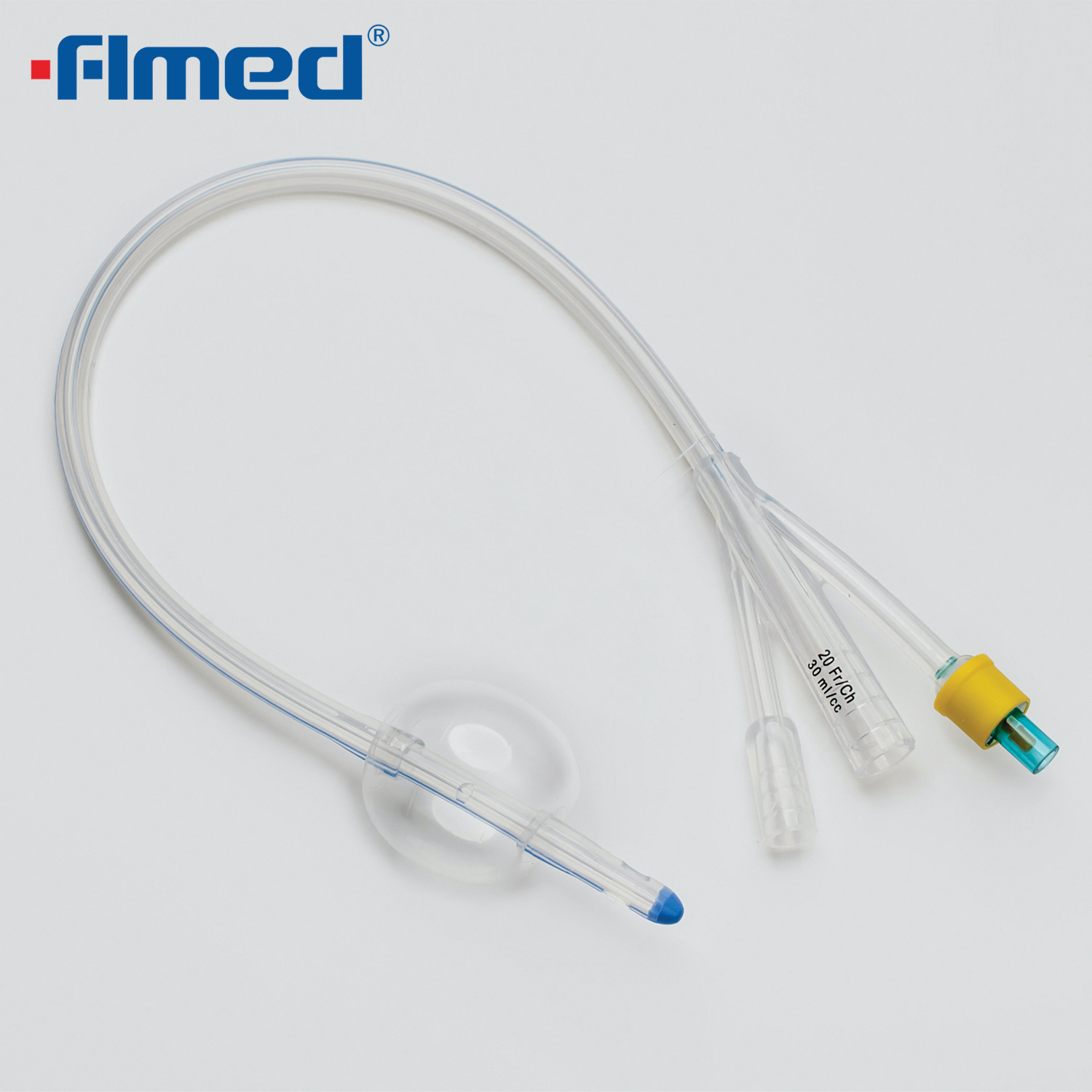
The main difference between a Foley catheter and an external catheter is where they go. A Foley catheter goes inside the bladder through the urethra. An external catheter sticks to the outside of the body. Hospitals use Foley catheters for steady drainage. They are used during surgery or when someone cannot pee. External catheters do not go inside the body. They are good for people who have trouble moving or thinking.
Feature | Foley Catheter | External Catheter |
Placement | Internal | External |
Invasiveness | Invasive | Non-invasive |
More people use external catheters at home now. Over 50 million female devices and 5 million male devices were used by August 2024.
Key Takeaways
Foley catheters go inside the bladder to drain urine all the time. External catheters stay outside the body and are not as invasive.
External catheters have a lower chance of causing infections. They are often more comfortable for people to use. Many people like them better for these reasons.
Foley catheters need regular checkups and care from doctors. External catheters are easier to take care of at home.
Picking the right catheter depends on your health, comfort, and how long you need it. You should talk to a doctor or nurse to find the best one.
Forlong Medical has many urology products and gives support. They help patients and caregivers choose the right catheter for their needs.
Foley Catheters Overview
Definition and Purpose
A Foley catheter is a tool doctors use to drain urine. It moves urine from the bladder into a bag outside the body. This device is needed when someone cannot pee by themselves. Nurses and doctors use Foley catheters for urinary retention and incontinence. Foley catheters are special because they give steady drainage. Hospitals and clinics use them in many medical cases. The main job of a Foley catheter is to keep urine flowing and stop problems from urine buildup.
How Foley Catheters Work
The Foley catheter has a thin, bendy tube. It goes into the bladder through the urethra. The tube has two channels inside it. One channel lets urine flow into a collection bag. The other channel fills a small balloon at the tip. The balloon keeps the catheter inside the bladder. This design helps urine drain all the time. It is good for people who cannot control their bladder. Medical teams pick Foley catheters for long-term urine care. Foley catheters are used for both short and long times.
Common Uses
Foley catheters help patients in many ways. Medical staff use them for:
Other times, Foley catheters are used for bad urinary incontinence, bladder problems from nerve issues, and palliative care. They are also used when other bladder treatments do not work. Foley catheters are one of the most common types in hospitals and at home.
External Catheters Explained
Definition and Purpose
External catheters are used to collect urine without going inside the body. Doctors say these catheters do not need to go into the urethra. Instead, they use tubes and gravity to move urine into a bag. The main reason for using external catheters is to give a safer and more comfortable choice for people who need help with urine. Hospitals and homes pick external catheters for people who cannot use regular catheters. Male external catheters go over the penis like a condom, so they are simple to put on and take off.
Note: External catheters lower the chance of infection more than internal catheters. They are best for people who want a less invasive way to collect urine.
How External Catheters Work
External catheters stay outside the body. These catheters do not go into the urethra. The device goes over the penis and connects to a tube. The tube leads to a bag that collects urine. Gravity helps the urine move from the bladder to the bag. Male external catheters fit well and make it easy to check urine. Catheters for external use are safer for many people and do not hurt as much. Nurses and doctors pick external catheters for people who need to collect urine for a long time without surgery.
External catheters stay outside the body and do not go inside.
Tubes and gravity help move urine into a bag.
These catheters go over the penis and do not need surgery.
Catheters for external use are safer and feel better.
Typical Applications
External catheters help many kinds of people. Nurses and doctors use them for people with urinary incontinence, nerve problems in the bladder, thinking problems, trouble moving, and overactive bladder. External catheters help collect and check urine in hospitals and at home. They are very helpful for people with dementia, Alzheimer’s Disease, or who cannot get to the bathroom. The table below shows who uses external catheters:
Patient Population | Conditions |
Urinary Incontinence | Stress, urgency, mixed incontinence |
Neurogenic Bladder Disorders | Problems with bladder control |
Cognitive Impairments | Dementia, Alzheimer’s Disease |
Mobility Issues | Trouble getting to the bathroom |
Overactive Bladder | Sudden, strong need to urinate |
External catheters give good urine care for people who need a non-invasive way. Catheters used outside the body make people more comfortable and help stop problems.
Key Differences Between Catheters
Placement and Invasiveness
Placement and invasiveness are two big things to think about when looking at catheters. Foley catheters go into the bladder through the urethra. This makes them more invasive. External catheters stay outside the body and cover the penis. They do not go into the bladder or urethra. The table below shows these differences:
Catheter Type | Placement Description | Invasiveness Level |
Foley Catheter | Inserted through the urethra into the bladder | More invasive |
External Catheter | Placed over the penis, does not enter the body | Less invasive |
Foley catheters need a doctor or nurse to put them in. External catheters are a non-invasive way to help with urine problems.
User Suitability
Which catheter works best depends on the person’s health and needs. Foley catheters are good for people who need their bladder drained all the time. This includes people who cannot pee or just had surgery. External catheters are better for men with incontinence who do not need a tube inside the bladder. The chart below shows which groups use each type:
![Grouped bar chart comparing patient group suitability for Foley, intermittent straight, and external catheters]()
Doctors say Foley catheters are best for certain medical reasons. This is true when other ways, like using a catheter sometimes or doing it yourself, will not work. External catheters help men with incontinence who can use a device outside the body. Things like how happy the patient is, how good their life is, and the risk of problems matter when picking a catheter. New features, like special coatings and closed kits, also help decide which is best.
Comfort and Convenience
Comfort and convenience are important for people who use catheters. Many people say external catheters feel better. These catheters do not go deep into the body, so they hurt less. Foley catheters can cause pain or irritation, especially if used for a long time. External catheters let people move around more and are easier to hide. They are simple to put on and take off, which makes people happier. Some people use other types, like intermittent catheters, if they want more control.
Infection Risk
All catheters can cause infections, but some are riskier. Foley catheters have a higher chance of causing urinary tract infections and other problems. They stay in the bladder for a long time, so bacteria can get in. External catheters lower the risk because they do not go inside the body. Studies show external catheters lower the chance of infection and death compared to Foley catheters. Both types need good care to stop problems.
Maintenance and Care
Taking care of catheters is very important. Foley catheters need a lot of cleaning and must be checked by a doctor or nurse. People should wash their hands before and after touching the catheter. They should clean the area every day and empty the bag every 2-4 hours. Foley catheters are harder to care for because they can cause infections and irritation.
External catheters are easier to care for but still need attention. People should wash their hands before and after touching the catheter. They should clean the tube with soapy water twice a day and empty the bag every 2-3 hours. The table below compares how hard it is to care for each type:
Catheter Type | Maintenance Complexity | Risks and Considerations |
Foley Catheters | Higher due to regular medical monitoring and complications from long-term use. | Increased risk of urinary tract infections, urethra or bladder irritation, need for monitoring. |
External Catheters | Lower, but requires careful management to prevent leakage and skin irritation. | Urine leakage if the device shifts, skin irritation from adhesives, need for accurate sizing. |
Some kits and special tips can help make both types safer.
Duration of Use
How long you use each catheter is different. Foley catheters, especially silicone ones, can stay in for up to 8 weeks. Most doctors say to change them every 4 to 12 weeks to stop problems. External catheters are made for daily use and should be changed every day to keep things clean and comfy. The table below shows how long each type is used:
Catheter Type | Typical Duration of Use |
Indwelling Catheters (Foley) | Every 4 to 12 weeks |
External Catheters | Changed daily |
Some people use intermittent catheters or do it themselves. These ways mean putting in and taking out the catheter a few times a day. This lowers the risk of problems from using a catheter for a long time.
Note: Picking the right catheter depends on the person’s health, how they live, and what each type offers. Doctors and nurses should think about all these things, including the risk of problems, before making a choice.
Pros and Cons Table for Catheters
Foley vs External Catheters Comparison
Picking the right catheter is not always easy. Foley catheters and external catheters both have good and bad points. Doctors and nurses look at these choices to help people pick what works best. The table below shows the main good and bad things about each type.
Feature | Foley Catheter | External Catheter |
Placement | Inside the bladder | Outside the body |
Invasiveness | Invasive | Non-invasive |
Comfort | May cause discomfort or irritation | Usually more comfortable |
Infection Risk | Higher risk of urinary tract infection | Lower risk of infection |
Maintenance | Requires medical supervision | Easier for self-care |
Duration of Use | Suitable for long-term use | Designed for daily or short-term use |
Suitability | Best for patients needing continuous drainage | Best for men with incontinence who can use external devices |
Mobility | May limit movement | Allows greater mobility |
Application | Needs trained staff for insertion | Simple to apply and remove |
Doctors and nurses pick catheters based on health, how someone lives, and risks. Foley catheters help people who cannot pee by themselves. External catheters are a less invasive choice for men who leak urine.
People and their helpers should look at the good and bad things before choosing. Catheters help people with pee problems. Knowing the differences helps everyone pick the safest and most comfy choice.
Choosing the Right Catheter: Forlong Medical Solutions
Factors to Consider
Picking the right catheter depends on many things. Every person has different needs. Medical teams look at a few things before they choose:
How urine flows can change which catheter is best.
Some health problems, like nerve damage or prostate trouble, matter too.
It is important that the catheter feels comfortable.
Doctors also think about how long someone will need the catheter. Some people only need it for a short time. Others need it for a long time. The chance of getting an infection and how easy it is to care for the catheter are important too. Patients and their helpers should talk to doctors and nurses. This helps them find the safest and most comfortable choice.
Tip: Always tell your doctor about your daily life and what you do. This helps them pick the best catheter for you.
Forlong Medical Urology Products & Catheter Supplies
Forlong Medical is a trusted company for urology products. They have many supplies for both Foley and external catheters. The table below shows the main kinds of products they offer:
Type of Catheter | Description |
Intermittent catheters | Single-use catheters for periodic bladder emptying |
Indwelling (Foley) catheters | Long-term catheters that stay in place with a small balloon |
External catheters | Non-invasive condom-style catheters for men |
Drainage bags | Leg bags and bedside bags for urine collection |
Accessories | Lubricants, insertion trays, securement devices, and cleaning supplies |
Forlong Medical helps patients and caregivers at every step. The company gives advice on picking the right products. They make ordering and delivery simple and personal. Staff can answer questions about insurance and bills. Friendly customer service is ready by phone or online. These services help people feel sure and supported when taking care of their urology needs.
Foley and external catheters are used for different reasons. Foley catheters go inside the bladder and are good for long-term use. External catheters stay outside the body. They often feel better and make people happier, especially men without dementia. Here are some important things to know:
Patients and caregivers should talk to doctors or nurses before choosing. Forlong Medical has many urology products and gives help all the time. Go to Forlong Medical’s website to learn more.
FAQ
What is the main difference between a Foley catheter and an external catheter?
A Foley catheter goes into the bladder through the urethra. An external catheter stays on the outside and covers the penis. Foley catheters help drain urine all the time. External catheters collect urine without going inside the body.
Who should use an external catheter?
Doctors say external catheters are good for men with urinary incontinence who do not need a tube inside the bladder. These catheters are best for people who want something less invasive and have healthy skin.
How often should catheters be changed?
Foley catheters need to be changed every 4 to 12 weeks. The time depends on what they are made of and what the doctor says. External catheters should be changed every day to keep things clean and comfy.
Can women use external catheters?
Most external catheters are made for men. There are some new ones for women, but they are not used as much. Doctors can help decide if an external catheter is right for a woman.

 English