Picture yourself in a hospital bed, watching a nurse wrap a blood pressure cuff around your arm. You wonder: is this classified as a Medical Device or a consumable? The distinction matters more than you realize.
A Medical Device is a durable tool you use repeatedly for diagnosis or treatment. A consumable is a single-use item you discard after one procedure. Simple, right?
This guide clarifies these differences using common examples of Medical Devices and consumables. By the end, you'll easily tell them apart. Understanding these categories helps you make informed choices about your health. Whether you work in healthcare or manage your own care, this knowledge empowers you. You'll find it easier to navigate medical supplies and ask better questions during visits.
Key Takeaways
Medical devices are sturdy tools you can use again and again to find or treat health problems.
Medical consumables are items used once and then thrown away after a procedure to stop infection.
Using consumables more than once can spread germs, even after you clean them.
Pick devices if you will use them for a long time. Pick consumables if you only need them once.
Knowing the difference helps you make smart health choices.
Defining Medical Devices and Consumables
What Is a Medical Device?
A medical device is any instrument, apparatus, machine, or implant used to diagnose, prevent, or treat a disease or condition. You encounter these tools daily in clinics and hospitals. The key distinction? A medical device achieves its primary action through physical means—not chemical ones. A stethoscope transmits sound waves to your ears. A scalpel cuts tissue mechanically. Neither relies on chemical reactions inside your body, unlike a drug or medication.
The U.S. Food and Drug Administration offers a formal definition. According to this agency, a medical device is recognized in official pharmacopeias and intended for diagnosis, cure, mitigation, treatment, or prevention of disease. Crucially, it does not achieve its primary intended purposes through chemical action within the body. This definition separates devices from pharmaceuticals.
The regulatory landscape for these tools varies by risk level. The FDA classifies devices into three categories:
Class I: Low-risk items like adhesive bandages and manual stethoscopes. These require general controls only.
Class II: Medium-risk products such as syringes and powered wheelchairs. These need special controls and often a 510(k) submission.
Class III: High-risk implants like cardiac pacemakers and heart valves. These demand premarket approval and extensive clinical data.
The European Medical Device Regulation follows a similar pattern with Classes I, IIa, IIb, and III. Each tier carries different regulatory requirements. Proper classification ensures patient safety and guides manufacturers through the complex regulatory landscape.
Examples of durable medical equipment include home oxygen systems, CPAP machines, nebulizers, and infusion pumps. These devices serve you repeatedly over months or years. Their durability makes them valuable investments for healthcare facilities.
What Are Medical Consumables?
Medical consumables are single-use items that you discard after one procedure. Think of syringes, examination gloves, face masks, gauze, and catheters. These supplies prevent cross-contamination between patients. Their disposable nature is their greatest strength.
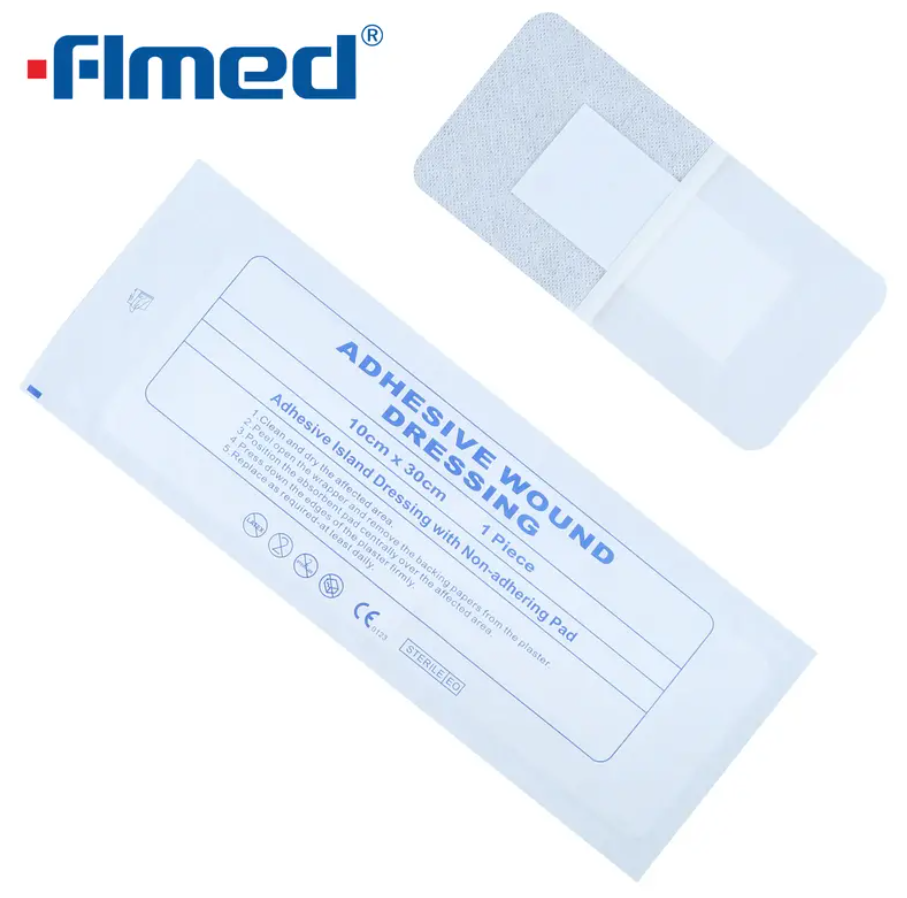
The usage and purpose of consumables centers on infection control. When a nurse opens a sterile wound dressing, that package protects you from pathogens. After use, disposal eliminates any risk of transmitting disease to the next patient. This principle applies across all healthcare settings.
Research demonstrates why single-use design matters. In one study, reusable devices showed 29.5% bacteriologically positive results, with 70% of isolated bacteria being pathogens. Meanwhile, 100% of wet swab samples from disposable products remained sterile. This data proves the effectiveness of consumables in preventing infection.
"The chief advantage of disposable medical devices is that they prevent transmission of disease as long as they're used on only one patient."
Even rigorous cleaning cannot guarantee safety. An in vitro study on reusing single-use catheters found viral contamination after sterilization. Enterovirus was cultured from one catheter, and six devices tested positive for the virus. One device even contained adenovirus DNA. These findings reinforce why medical supplies must remain single-use.
Common consumables include sterile wound dressings, surgical drapes, sutures, test tubes, and pipettes. Laboratory consumables like petri dishes and microscope slides support diagnostic testing. Disposable bed sheets and patient trays offer hygienic alternatives in high-volume hospitals. Each category serves a specific purpose in patient care.
The distinction between devices and consumables shapes inventory decisions. Hospitals stock both categories strategically. Medical equipment represents capital investment, while medical supplies require continuous replenishment. Understanding this difference helps you navigate any healthcare environment with confidence.
Key Differences Between Medical Devices and Supplies
Lifespan and Reusability
The main difference between these two types is how long you use each item. Medical devices like infusion pumps, ventilators, and patient monitors last for years with proper care. Medical supplies like gauze, syringes, and gloves are used once and then thrown away.
Think about an infusion pump. This medical equipment usually works for 5 to 7 years. You must do preventive maintenance every 2 years to keep it running well. First, you clean the device to remove visible dirt. Then you disinfect or sterilize it using methods the maker approves. You let the device dry completely. Finally, you check every surface for damage, dirt, or leaks. This cycle repeats for the pump's whole life. This type of medical equipment needs ongoing work for cleaning and upkeep.
Medical supplies work very differently. You open a sterile package, use the item once, and throw it away right away. No cleaning, no sterilizing, no checking between uses. The table below shows how these two compare.
Factor | Single-Use Supplies | Reusable Medical Equipment |
|---|
Patient Safety Risk | Minimal; sterile, single-patient use stops cross-contamination. | Higher; cleaning failures can leave harmful germs. |
Infection Control | Strong; no cleaning means no infection risk from the device itself. | Depends on proper sterilization and checking. |
Upfront Cost | Lower per unit. | Higher first cost for durable tools and sterilization tools. |
Long-Term Cost | Predictable regular spending; no hidden cleaning costs. | Ongoing costs for cleaning supplies, staff training, and upkeep. |
Time to Use | Immediate; delivered sterile and ready. | Requires cleaning, sterilization, checking, and repackaging between uses. |
Regulatory Complexity | Simple; checked once at manufacture. | Ongoing cleaning validation and paperwork required. |
This table shows the key differences in life span, cost, and workflow. You need to know these factors when choosing between these types.
Impact on Patient Safety
Both types play key roles in direct patient care. Using the wrong item for a procedure creates serious risks. Reusing a consumable like a catheter or wound dressing exposes patients to dangerous germs. The CDC says you must clean items well before high-level disinfection and sterilization. That is because dirt and organic material left on surfaces can stop these processes from working. Even with thorough cleaning, studies found viral contamination on single-use catheters after trying to sterilize them. This proof shows why medical supplies must stay single-use for every patient contact.
On the other hand, a faulty medical device can lead to wrong diagnoses or delayed treatment. A broken blood glucose meter that gives wrong readings can cause diabetic patients to take the wrong insulin dose. Insulin pumps that give wrong doses directly affect treatment. Pacemakers and defibrillators that fail can cause life-threatening heart problems. Malfunctions in surgical tools can lead to mistakes during procedures. Each patient use of this medical equipment carries possible risks. Medical device failures also cause a chain of bad results in healthcare settings. They lead to misdiagnosed conditions, delayed treatments, and worsening of diseases. Failed implants or broken monitors cause problems like organ damage, infections, and longer hospital stays. These failures need extra surgeries and longer recovery. They also cause emotional harm, including anxiety and PTSD, and hurt patient trust in healthcare systems.
The rules for these products address these risks by classifying each item. A medical device gets a classification based on its use and risk level. This classification decides the rules the maker must follow. For example, Class I devices need only general controls, while Class III devices need premarket approval. The complex rules ensure that medical equipment meets safety standards before patients use it. Following these rules protects patient safety for both types.
The use and purpose of each item decides its category. You use medical equipment again and again for patient care. You use medical supplies once and throw them away. Proper handling of both types is vital for patient care. You must never reuse medical supplies meant for single use. You must maintain and check medical equipment regularly. Healthcare workers learn these practices and understand the rules that govern both types. Following these guidelines protects everyone who gets care.
Common Examples and How to Choose
Everyday Medical Devices and Equipment
You will see durable medical equipment during any hospital visit. These tools get used many times over years of patient care. Common examples include:
Stethoscope: A basic tool for hearing heart and lung sounds
Blood pressure monitor: Checks systolic and diastolic pressures in many situations
ECG machine: Records the heart's electrical signals to find arrhythmias
Infusion pump: Gives fluids or medication at a set rate
Ventilator: Helps you breathe when you cannot do it on your own
Pulse oximeter: A clip-like tool that measures blood oxygen levels
Ultrasound machine: Uses sound waves to show pictures of internal organs
X-ray machine: Lets doctors see inside your body, especially bones
For respiratory care, Forlong Medical offers durable options like oxygen masks and nebulizer masks made for repeated clinical use. The table below shows how these medical devices work differently.
Device | Primary Function | Typical Clinical Scenarios |
|---|
Oxygen Mask | Gives extra oxygen for low blood oxygen levels | Emergency rooms, ICUs, post-operative recovery |
Nebulizer Mask | Gives aerosolized medication straight into the lungs | Asthma attacks, COPD, pediatric respiratory conditions |
The nebulizer mask turns liquid medication into a fine mist with particle sizes at or below 5μm, using a drive gas flow of 4–8 L/min. This allows deep airway penetration for conditions like asthma. The oxygen mask may have a reservoir bag to boost delivery during severe respiratory distress.
Everyday Medical Consumables and Supplies
Medical supplies get used once and then thrown away. Gauze, cotton balls, syringes, gloves, and catheters all fit this category. Their single-use nature stops cross-contamination between patients.
Forlong Medical makes medical gauze and cotton products that meet international standards. Their gauze comes in woven and nonwoven forms. Woven gauze has a loose, open weave that allows fluid absorption and wicking. Nonwoven gauze has fibers pressed together, giving better wicking and more absorbent capacity with less lint. Both types come sterile and ready for wound care.
The absorbency of these supplies matters for clinical outcomes. Standards like BS EN 14079:2003 cover performance requirements for cotton gauze. Testing looks at absorbency, acidity or alkalinity, and minimum breaking load. These checks make sure the fabric works well for its intended use. The regulatory landscape for consumables focuses on sterility and packaging integrity. Standards like ISO 11607-2 govern packaging for terminally sterilized devices, keeping sterility until the point of use. This regulatory framework ensures that every package you open in a clinical setting stays safe.
When choosing between medical equipment and supplies, think about your needs. Durable tools need maintenance and cleaning between uses. Disposable items offer immediate, sterile readiness. Both categories play key roles in healthcare, and knowing their differences helps you make smart choices about your care.
You now get the main difference. Medical devices are strong tools you can use many times for checkups and care. Medical supplies are items you use once and throw away to stop germs. Both kinds are very important for keeping patients safe and healthy.
Think of a kitchen blender and a paper plate. You wash the blender and use it again and again. You throw away the paper plate after one meal. This easy comparison shows the difference clearly.
Use this knowledge when you go to a clinic or buy supplies. Ask if an item can be used again or is meant for one use. Knowing these differences helps you make smart choices about your health. You will feel more sure and clear in medical places.
FAQ
Can you use a medical supply again after cleaning it?
No. Medical supplies are made for one use only. Cleaning them does not make them sterile. Studies show germs stay on items used again. Throw these items away after one use.
How can you tell if an item is medical equipment or a supply?
Look at how it is used. Medical equipment lasts for years if you take care of it. You must clean it between uses. It needs careful handling. Medical supplies help one patient at a time. Then you throw the item away.
Why is it important to classify a medical device?
Classification sets the safety rules for each device. High-risk equipment needs more testing before you use it. This equipment must meet strict rules. Medical supplies also need quality checks. The system keeps you safe during care. Following rules ensures quality.
How do you pick the right item for a procedure?
Think about what you need. A durable device costs more at first but lasts years. Equipment for home use needs proper care. It needs regular checks. Supplies cost less each time but you need to buy more often. These items are important for daily care. Both are key in healthcare.

 English